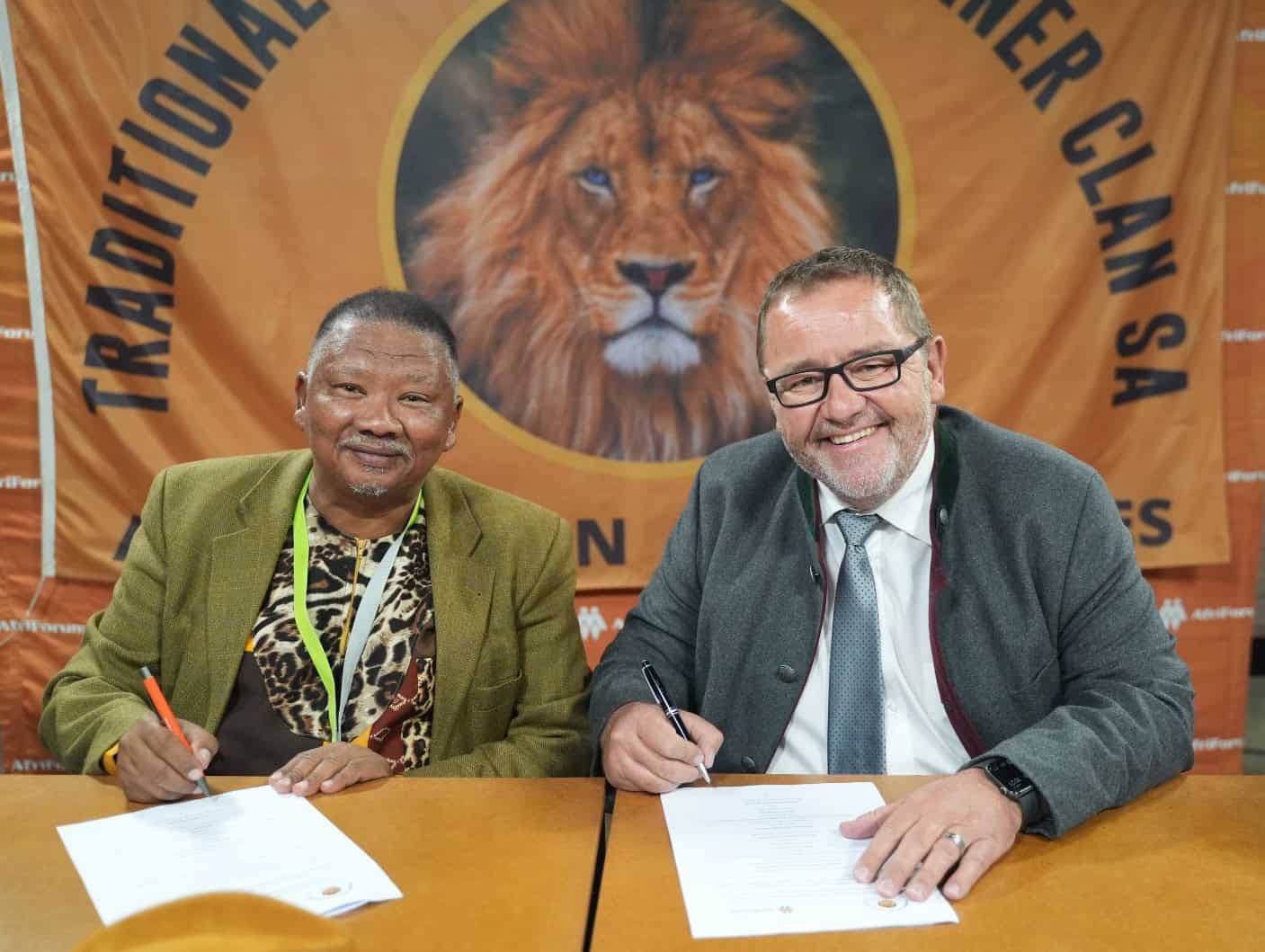
AfriForum and the Nama-Afrikaner Family Clan in South Africa conclude historic agreement
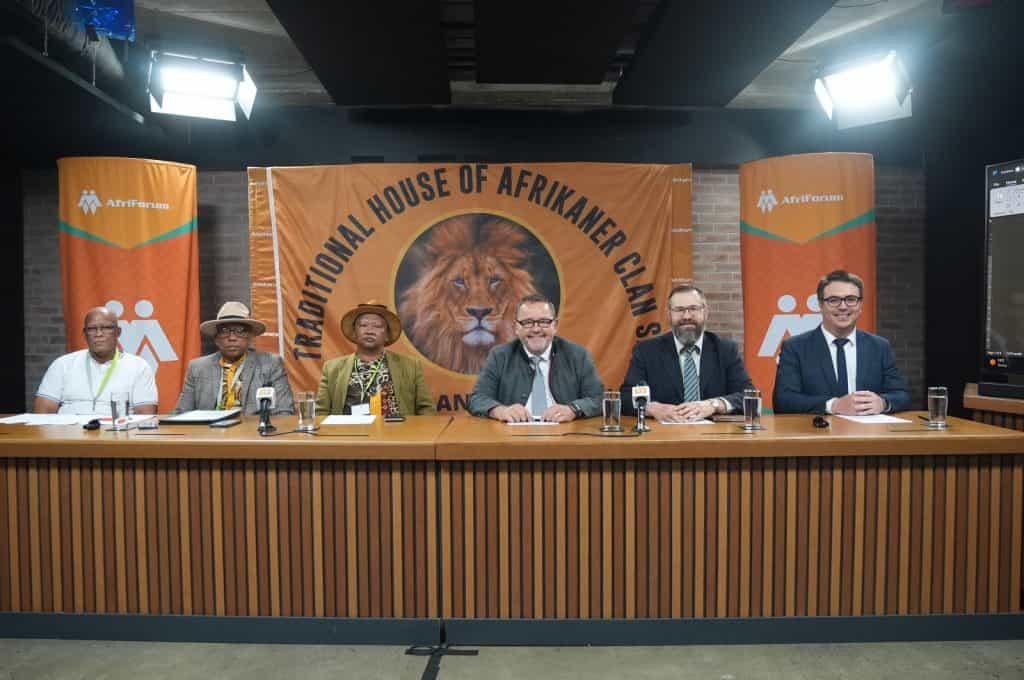
AfriForum and the Nama-Afrikaner Family Clan in South Africa today signed a historic recognition and cooperation treaty in Pretoria. Among other things, they undertook to promote the realisation of cultural rights and full recognition, as well as the strengthening of cultural identity, heritage, community self-sufficiency and community development.
“The signing of this recognition and cooperation treaty is an important milestone in the journey of our respective cultural communities. Our communities face significant and urgent challenges, and it is therefore essential for cultural communities to join hands so that practical solutions can be found and implemented. I look forward to the positive impact that our cooperation will have on ordinary people at grassroots level,” says Gaob (Captain) Karl Afrikaner, Chairperson of the Traditional House of the Afrikaner Family Clan SA.
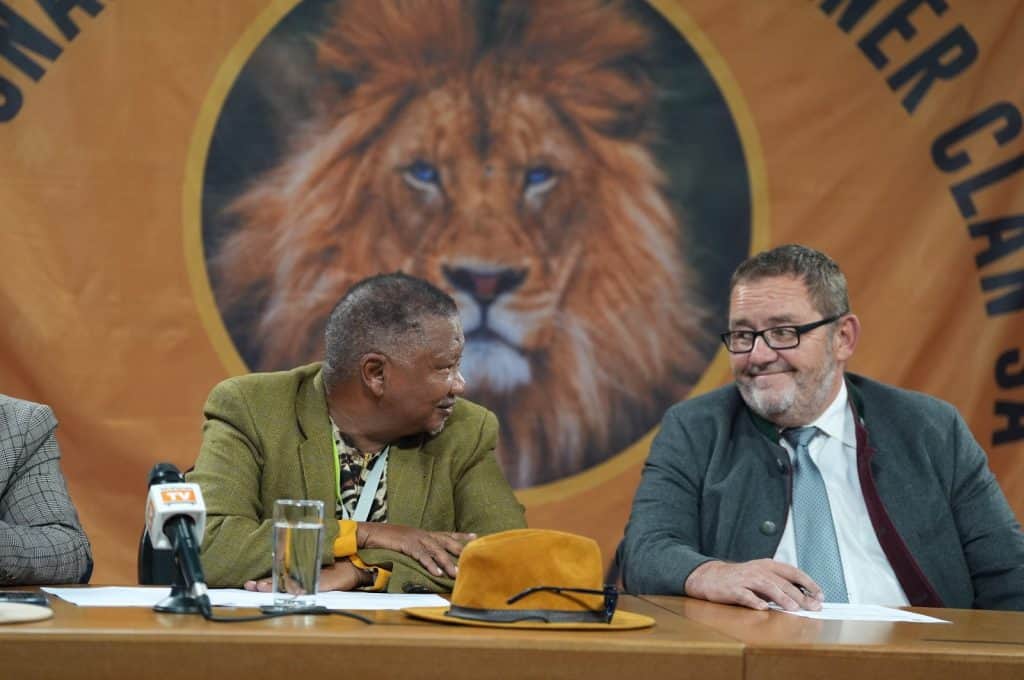
“It is a privilege for AfriForum to enter into this historic treaty with Gaob Afrikaner and the Nama-Afrikaner Family Clan SA. We understand that, ultimately, it is practical action that makes a difference in people’s lives and ensures a free, safe and prosperous future for our communities. Fortunately, those who attempt to isolate AfriForum through uninformed and malicious statements will not stand in our way as we forge ties with other cultural communities and build a future together,” explains Kallie Kriel, CEO of AfriForum.
The purpose of this agreement is to establish and maintain a lasting relationship in order to ensure enduring peace and friendship between the Nama-Afrikaner Family Clan SA and Afrikaners. It is also aimed at promoting the development of these cultural communities in various ways, including through:
- promoting community self-sufficiency and self-management;
- preserving and protecting cultural identity and heritage;
- protecting property rights;
- promoting community safety;
- promoting mother language education;
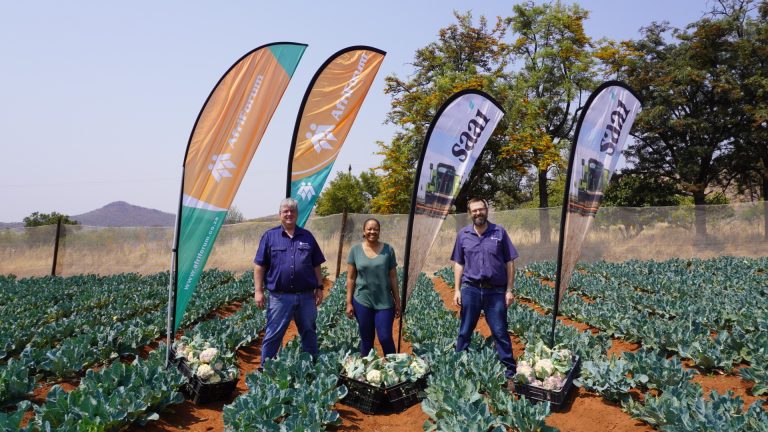
- cooperation on food security and agricultural development; and
- promoting intercultural reconciliation and dialogue.
The following principles form the foundation of the agreement:
- mutual recognition and respect;
- peaceful coexistence;
- acceptance of each other’s identity, permanence and existence as autonomous cultural communities in Southern Africa;
- the prerogative of cultural communities to manage their own interests and establish and maintain their own institutions without interference from the state or any other entity;
- respect for the diversity of governing institutions, customs and traditions, including those relating to land use and ownership; and
- freedom of religion and cultural practices.
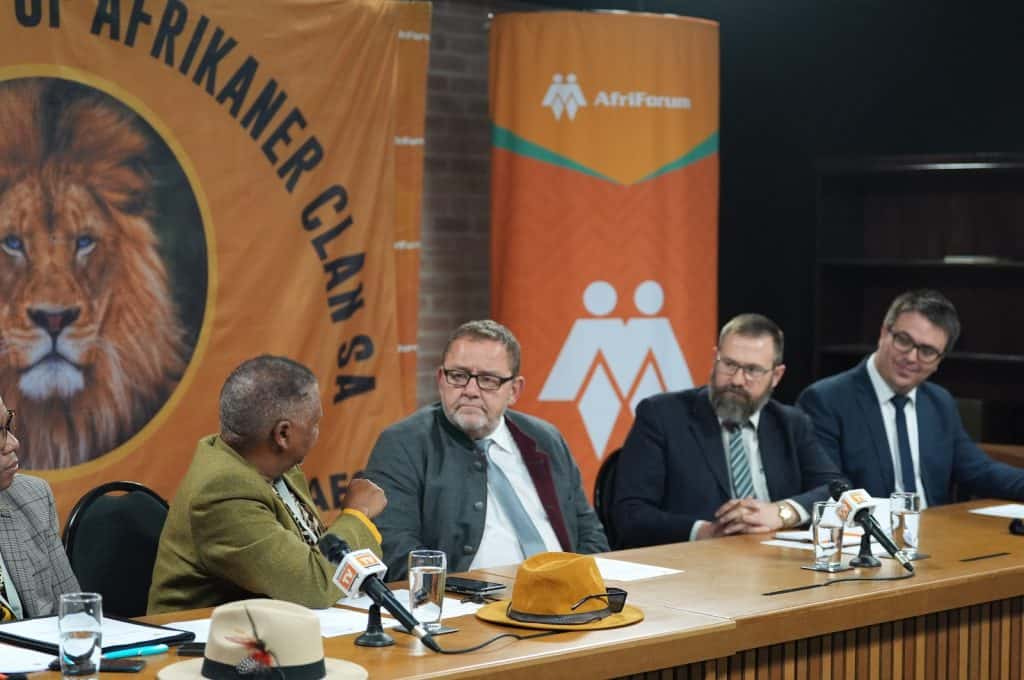
According to Barend Uys, Head of Intercultural Relations and Cooperation at AfriForum, the civil rights organisation is working hard to build bridges between Afrikaners and other cultural communities, because good relations and cooperation between different cultural communities are indispensable to ensuring peaceful and prosperous coexistence in the country.
“AfriForum and Afrikaners choose, as Van Wyk Louw wrote, to continue existing in justice. It is an honour for us to be an ally of the Nama-Afrikaner Family Clan SA in this endeavour to create the space where future generations can live fulfilling and peaceful lives alongside one another, here at the southern tip of our beloved Africa,” says Uys.
“I am filled with hope because we also signed a Nama version of the treaty. The preservation and promotion of Nama, particularly among our children, is very important to us, and the signing of the agreement written in Nama is a practical demonstration of genuine mutual recognition and respect,” concludes Gaob Afrikaner.
AfriForum has previously signed similar agreements with the Jamangile KaMabandla royal family in the Eastern Cape; the Batlharo Boo Tokwana Ba Ga Masibi in North West; the Barolong Boo Seleka and Batlokoa Ba Mota in the Free State; the Bakgatla Ba Kgafela in North West and Mochudi, Botswana; the Batlharo Ba Ga Motlhware in the Northern Cape; the Ndebele organisation Vulamehlo Kusile Organisation (VUKO); and the Royal Leaders of South Africa (ROLESA). These agreements have already resulted in various grassroots projects, including projects focusing on agricultural development, heritage, cultural identity and indigenous languages.