Gauteng landfill crisis exposed: AfriForum releases documentary, calls for waste management reforms
Soundbite: Marais de Vaal (English)
Soundbite: Marais de Vaal (Afrikaans)
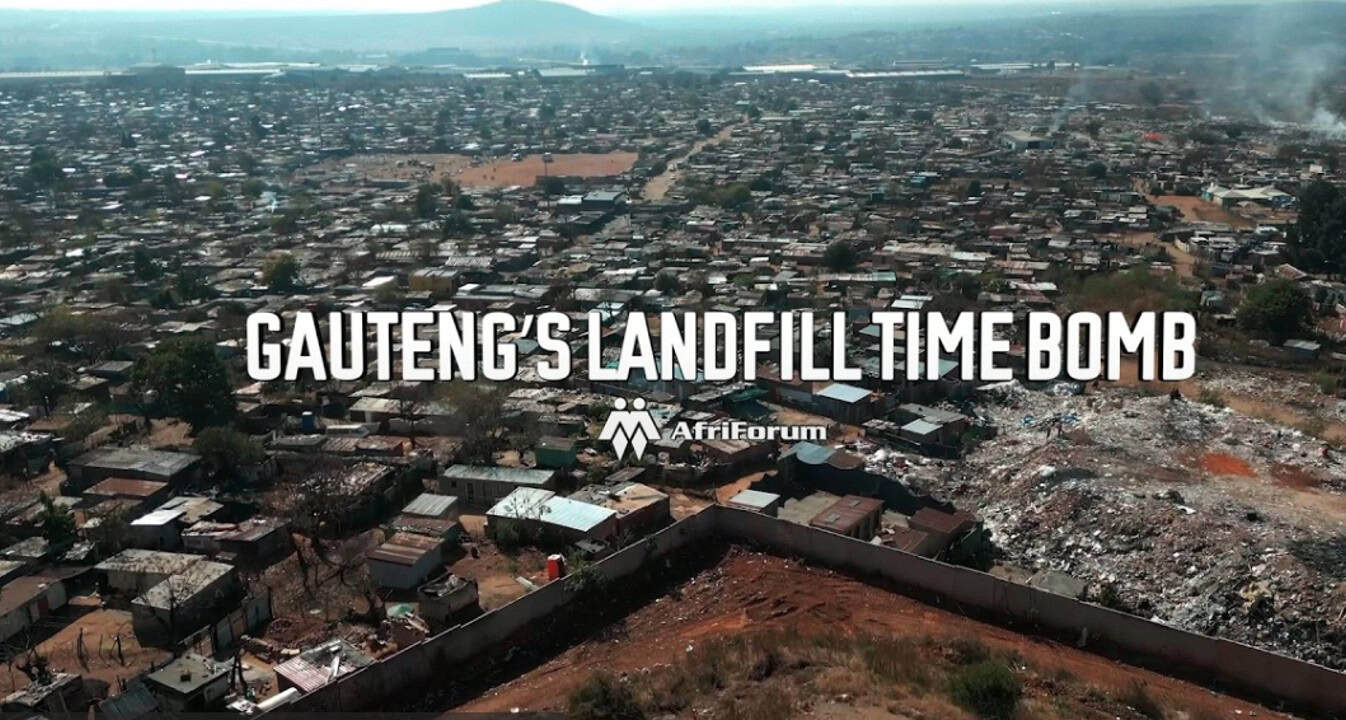
AfriForum hosted the premiere of its documentary Gauteng’s landfill time bomb in Pretoria today, exposing the escalating landfill capacity crisis in Gauteng. Following the screening, the organisation also presented its formal comments on the Draft National Waste Management Strategy (NWMS) 2026, emphasising that this strategy could play a decisive role in resolving the crisis provided that the structural conditions necessary for its implementation are corrected.
Documentary highlights structural pressure in the system
Gauteng’s landfill time bomb examines the rapidly diminishing capacity of the 13 active municipal landfill sites across Gauteng’s three metropolitan municipalities, which serve approximately 13 million residents. At current disposal rates, the landfill sites in the Johannesburg, Tshwane and Ekurhuleni metros are projected to reach capacity within roughly 16, 78 and 60 months, respectively.
AfriForum’s objective with the documentary is to raise public awareness and facilitate constructive engagement between government, industry and civil society. The organisation warns that unless structural weaknesses in planning, financing, law enforcement and execution are urgently addressed, the consequences will include increased illegal dumping, environmental pollution and rising costs borne by residents.
The documentary offers different perspectives on operational and strategic challenges within the waste management system through interviews with municipal officials, private waste experts and industry bodies.
“Inadequate long-term planning, financial pressure, operational constraints and weak compliance with legal obligations have placed the waste system under severe structural pressure,” says Marais de Vaal, AfriForum’s Advisor for Environmental Affairs. “Rather than pointing fingers, we wanted to show what happens when a system operates under sustained structural pressure. The key question is whether the system was designed to succeed.”
A draft strategy – NWMS 2026: Ambition must be matched by execution
Along with the release of the documentary, AfriForum today also submitted detailed comments on the Draft NWMS 2026. While the organisation recognises the strategy’s potential, AfriForum cautions that ambitious targets, such as the goal of diverting 40% of waste from landfills within five years, will not be realised unless the underlying structural constraints at municipal level are addressed.
AfriForum’s submission identifies several areas requiring attention:
- the repeated setting of diversion targets without clear structural reforms to enable implementation;
- insufficient alignment between policy objectives and municipal capacity;
- the need to strengthen monitoring, enforcement and accountability; and
- the absence of stronger economic incentives to unlock greater private sector participation.
AfriForum recognises the complexity of waste management and the shared responsibility involved. However, municipalities and the private sector must be given the structural conditions necessary to succeed. Industry data indicates that recycling capacity exists within the broader system. The opportunity lies in aligning that capacity more effectively with municipal oversight and service delivery.
“The NWMS gives us the manual,” says De Vaal. “But a time bomb is not defused by simply writing a manual. It is diffused by changing the wiring. In this case, that ‘wiring’ is the enforcement of laws, the alignment of incentives, and the effective execution of the strategy.”
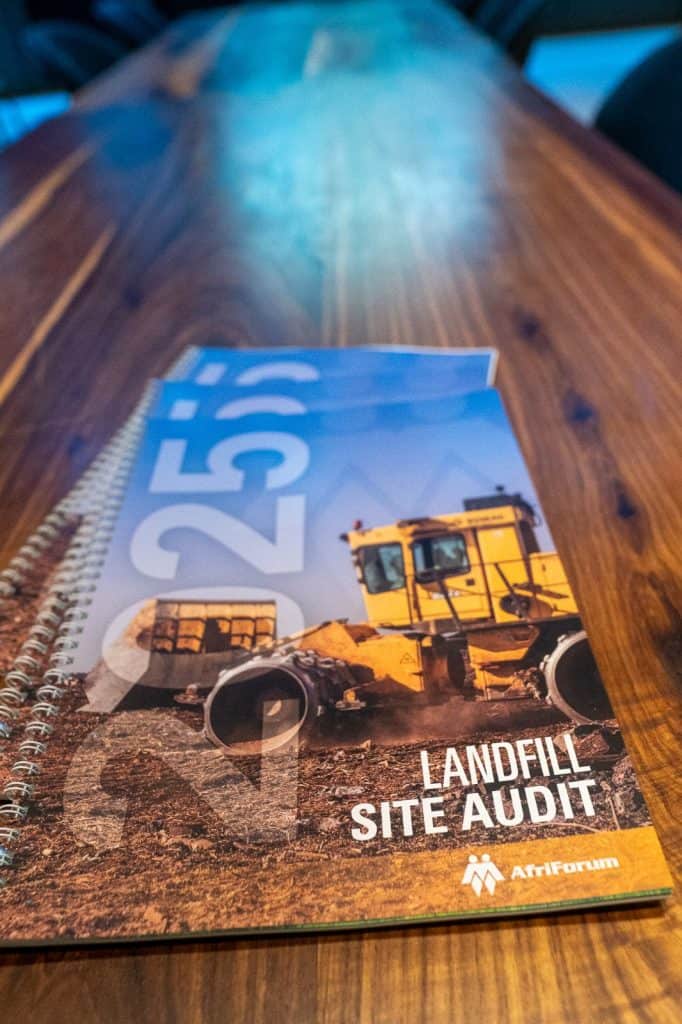
AfriForum remains willing to contribute to resolving the Gauteng landfill crisis through its annual municipal landfill site audits, community networks and recycling initiatives.
“If private sector capacity, government oversight and civil society participation are aligned, we move from crisis management to prevention,” De Vaal concludes.