Recovery plan needed for 44% of water lost by Tshwane Metro, says AfriForum
AfriForum today sent another letter to Johann Mettler, Municipal Manager of the Tshwane Metropolitan Municipality, demanding a comprehensive, time-bound plan to address the Metro’s water leaks, deteriorating water infrastructure and excessive water losses. The letter follows AfriForum’s repeated calls for the Metro to tackle the ongoing crisis to prevent further water shortages, such as those that recently affected large parts of Pretoria East.
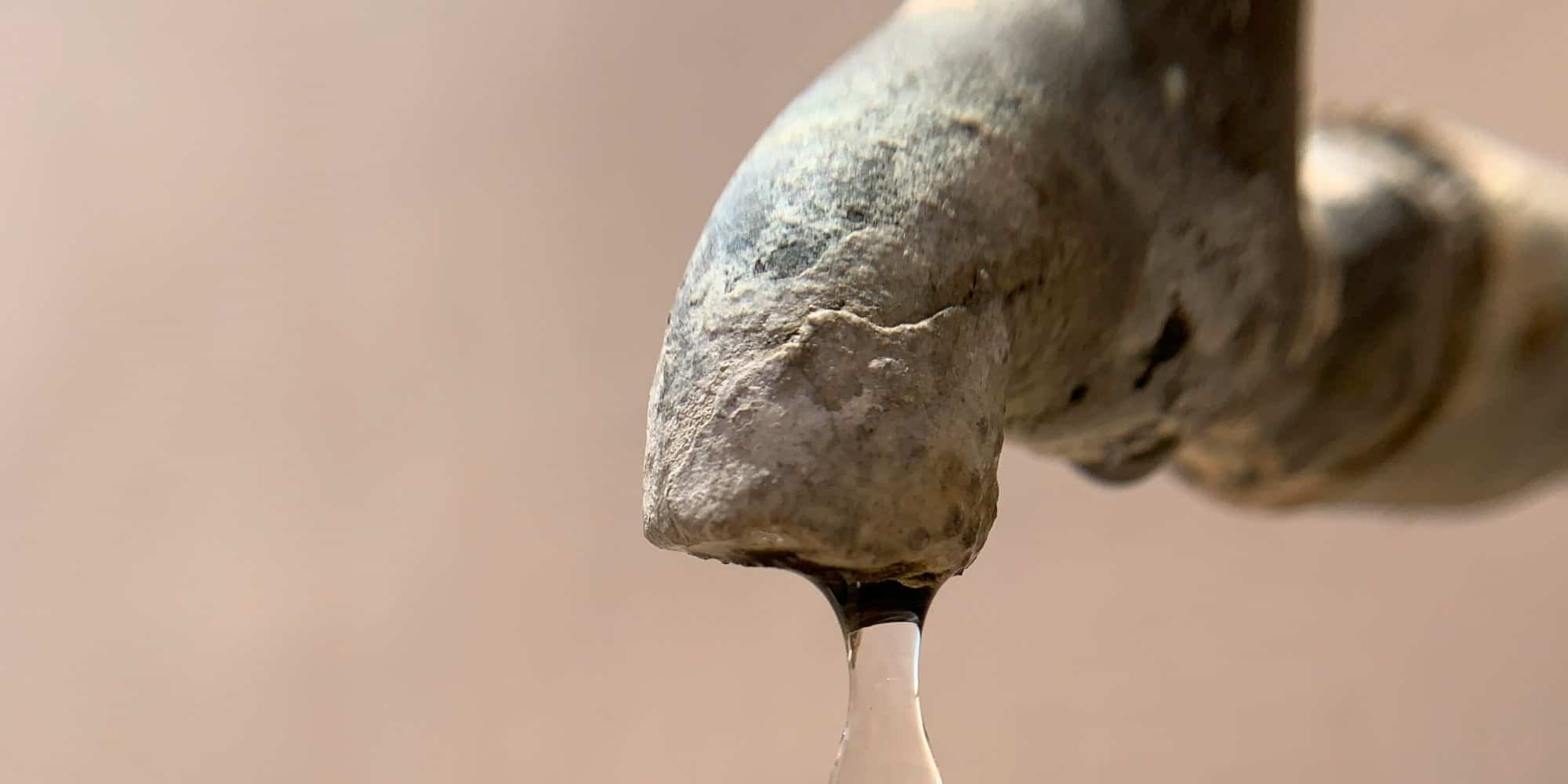
According to the latest available data on the Department of Water and Sanitation’s Platform for a Water Secure Gauteng, 35% of the Metro’s bulk water supply is lost before it can be used by consumers. This is due to a combination of leaks, burst pipes and overflowing reservoirs. The target for these so-called physical losses is 15%. When water theft through illegal connections and the under-recording of consumption due to faulty water meters are also taken into account, total water losses amount to 43,8%.
Over the past month media reports have identified at least 17 significant water leaks, burst pipes and related infrastructure problems across the Tshwane Metro. These include a burst 1 000 mm water pipe near Pretoria Railway Station, a leak on a 700 mm main water pipeline in Equestria and a major pipe burst in Waverley.
“It is unacceptable that residents are repeatedly asked to use less water while the Metro itself loses enormous amounts of water due to poor infrastructure and inadequate maintenance. Residents can turn off their taps, but only the Tshwane Metro can repair burst pipes and properly maintain the infrastructure,” says Marais de Vaal, AfriForum’s Advisor for Environmental Affairs.
AfriForum is now demanding that the Metro provide full details of outstanding leaks, along with repair timelines and maintenance budgets. The civil rights organisation also expects a measurable plan to replace ageing pipes and other infrastructure to systematically reduce water losses.
“Restricting water supply is not a sustainable solution to ageing infrastructure. The Metro must explain why so much water is being lost, why repairs are being delayed and exactly when residents can expect tangible improvements. Consumers do not want more promises, but a clear plan with budgets, designated responsible officials and deadlines,” says De Vaal.
Click here to report water leaks in Gauteng.