“Build yourself” vegetable garden now delivers consistently to local school feeding schemes in Thaba ’Nchu
This media statement is also available in: Setswana
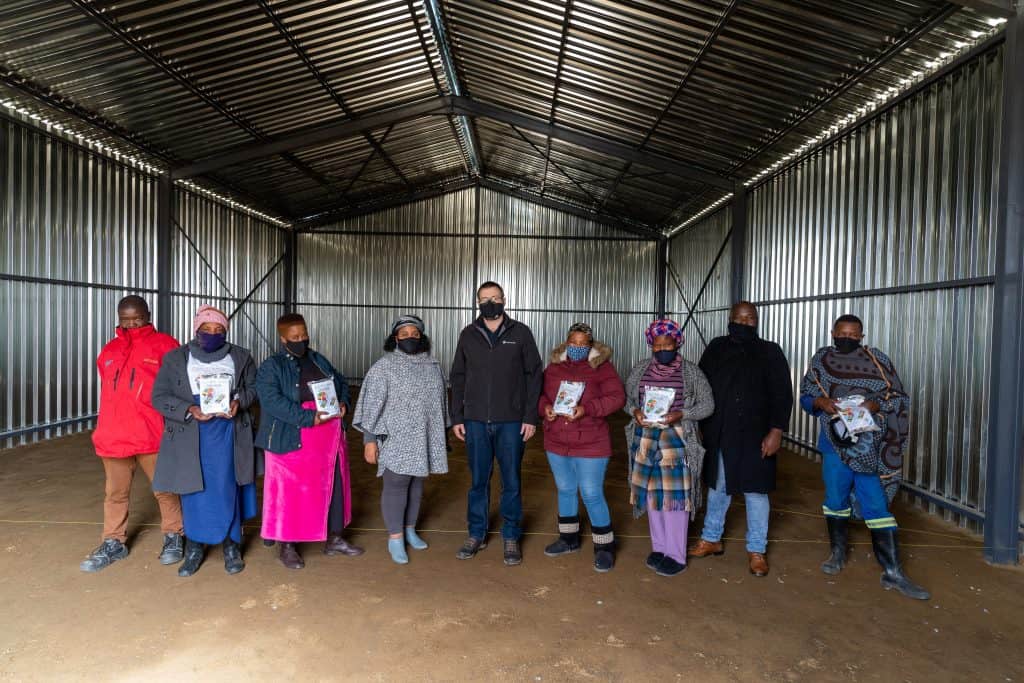
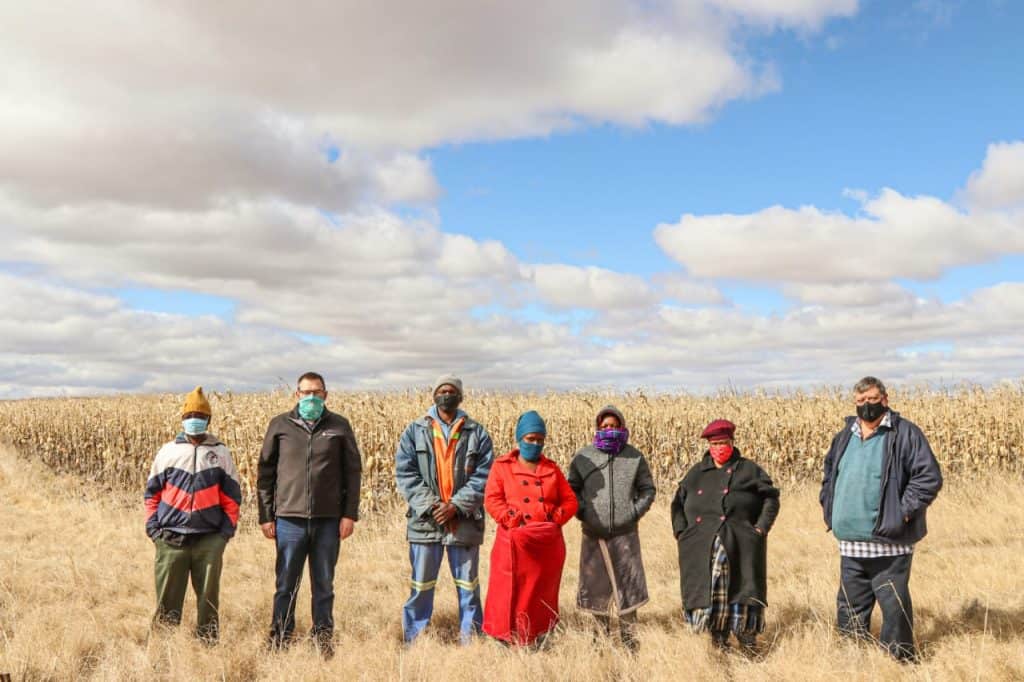
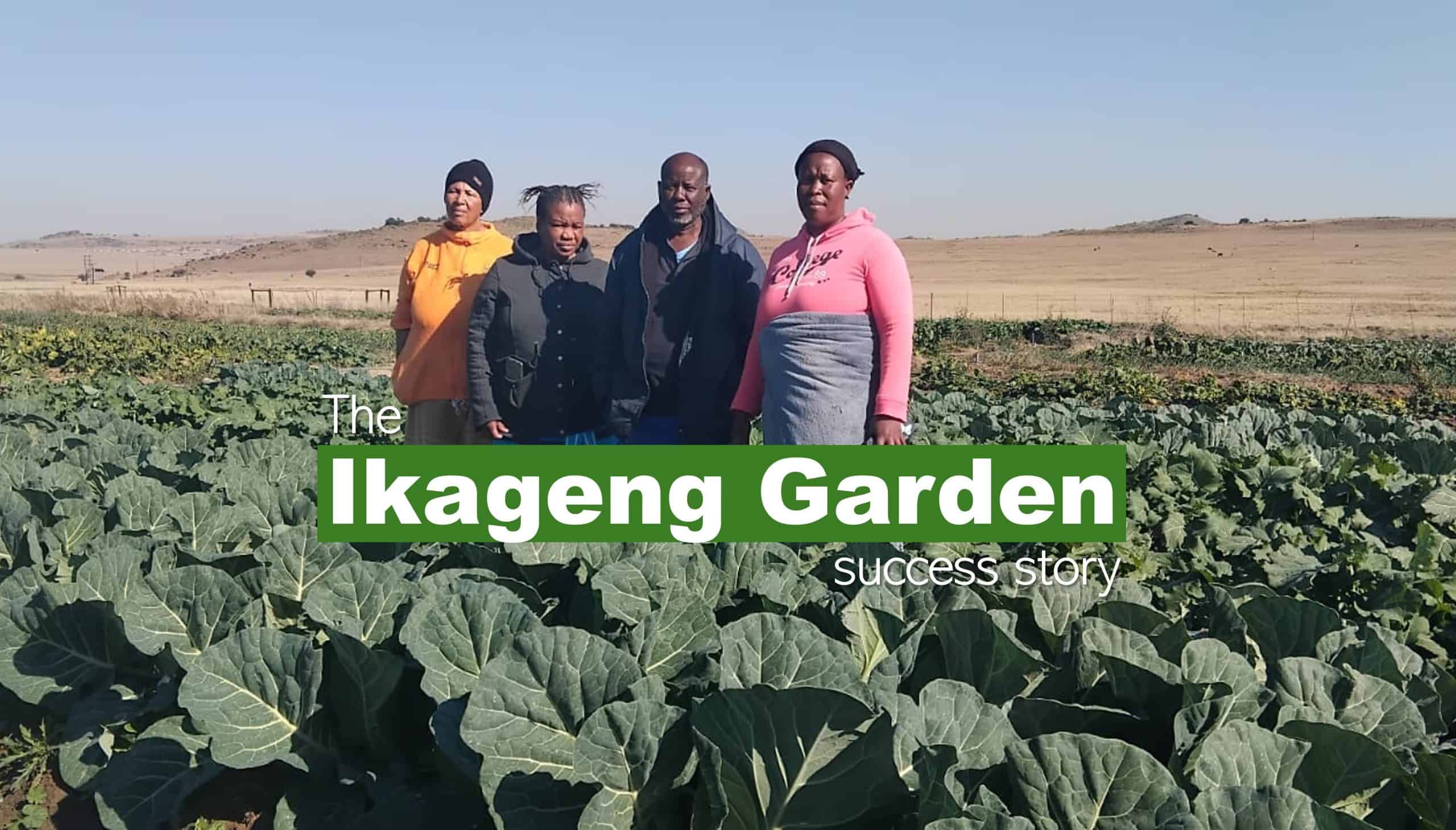
The Ikageng Garden, a joint vegetable garden project of the Noga’s Post settlement in Thaba ’Nchu, outside Bloemfontein, has been successfully supplying 400 bunches of spinach to the feeding schemes of two local schools and elderly and disabled people in the community every month for the past few months. The sales and donations realised by the project are an important milestone on the project’s path to sustainability and profitability. This project stems from collaboration between AfriForum, Saai and Kgosi Gaboilelwe Moroka, the Kgosi of the Barolong Boo Seleka cultural community.
A total of 320 bushes are currently sold monthly to the Maserona Intermediate School and Ratau Primary School. In addition, the project also donates 40 bushes to these feeding schemes each month as well as a further 40 bushes to the elderly and disabled.
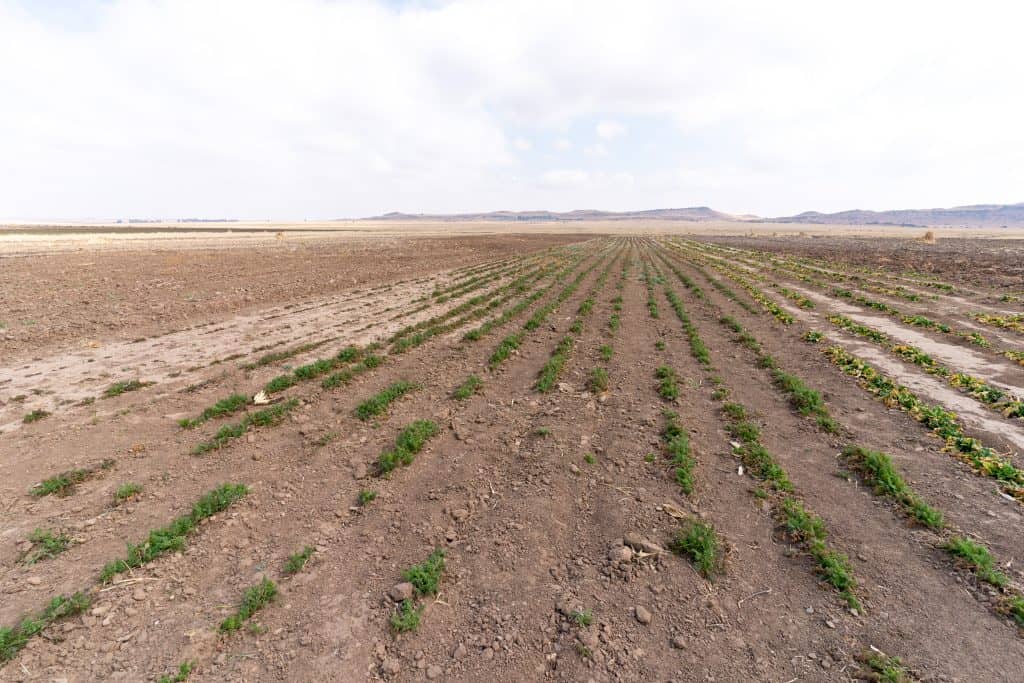
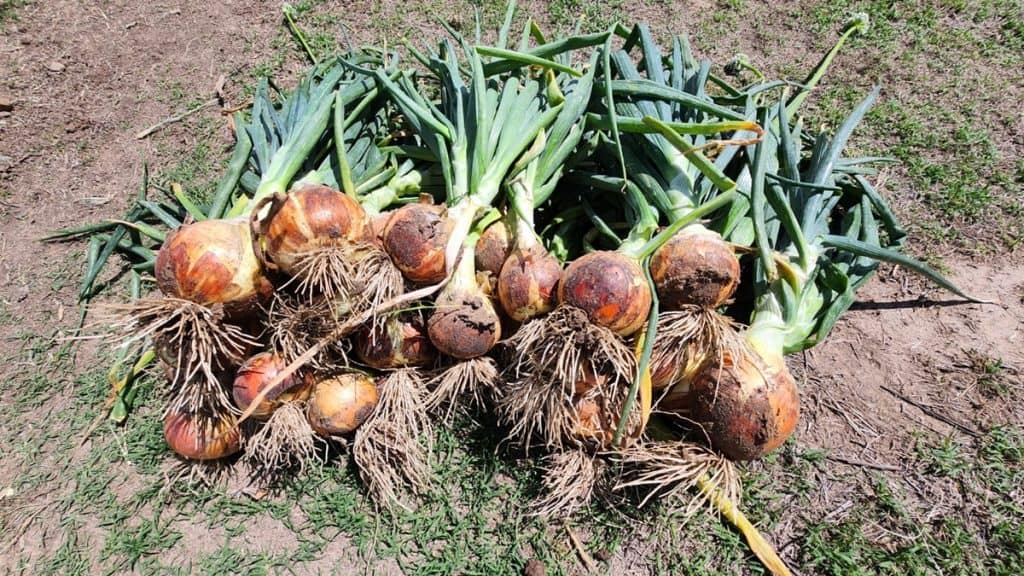
From January to June this year, the project has already produced 2 230 bunches of spinach – of which approximately 1 750 bunches were sold and 480 bunches were donated to those in need. A total of nearly 710 kg of other vegetables (230 kg of onions, 230 kg of potatoes and 250 kg of green beans) have also been harvested and sold by this community project since January.
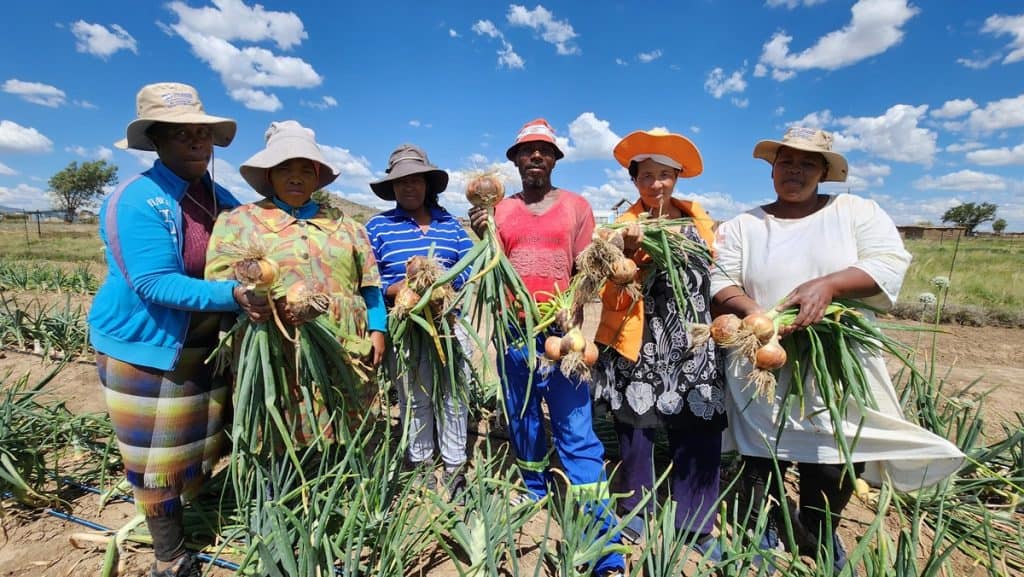
This successful project was established six years ago, and the community members involved have since truly taken ownership of it. The project has been known as the Ikageng Garden since the beginning of the year. The name, which the community members involved decided on, means ‘to build oneself’ and reflects the personal development and progress that those involved have achieved through their hard work and dedication.
Community members have also, through their involvement in the project, undergone a formal training programme, offered by the Central University of Technology, Free State (CUT), the University of the Free State (UFS), and the Global University of Lifelong Learning. This training programme, known as the Bachelor of Professional “Pathway to Temong” programme, aims to provide community members with access to accessible and practical skills training. The word Temong means ‘to grow’ and is indicative of the growth that these community members have undergone through the completion of levels 3 to 5 of this programme.
Kgosi Moroka looks back with gratitude on the six years since the inception of this project: “The Scripture says: ‘By the sweat of your brow you shall eat your bread until you return to the ground.’ Food security is peace currency – we as the Barolong Boo Seleka, therefore, focus on it because we understand its importance. It is time! It is said that a journey of a thousand miles begins with a single step. I cannot believe that we can now look back over six years already. We appreciate the precious time and every valuable contribution and sacrifice that made the achievement of this milestone possible.”
She continues: “I am extremely proud of these community members. They persevered. They understand the vision of our people: self-reliance and sustainable livelihoods. No community member needs to go hungry or claim poverty. We give all the glory to our Lord and Saviour. This success story would not have been possible without Him. We express our thanks to our partners, AfriForum and Saai, who never tire, especially in the difficult times when one feels like giving up.”
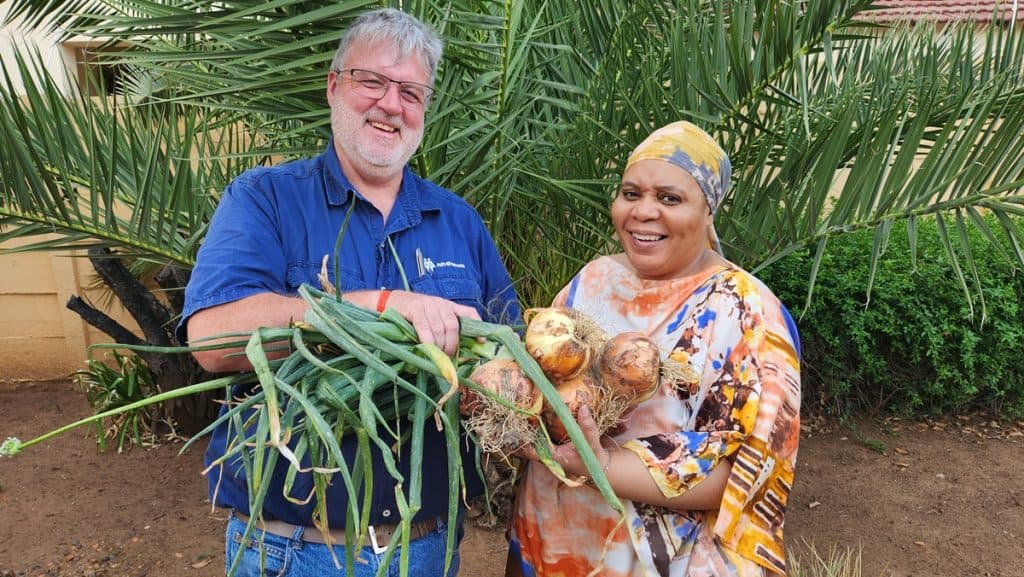
Barend Uys, Head of Intercultural Relations and Cooperation at AfriForum, describes the past six years’ “journey” as follows: “Gratitude, respect and hope – these three words summarise our feelings about the journey of the past six years. We are grateful to our Heavenly Father and to every person who has been and still is involved in this humble success story. One cannot help but be filled with respect for all the community members who work with such perseverance and dedication and who take ownership of their future. We are filled with hope because this community’s story shows what can be achieved when different role players and cultural communities collaborate on the basis of a shared vision and values.”
Mafusi Ntsane, Acting Headwoman of Noga’s Post, is in turn hopeful that this success story will also inspire others. “We are proud of what we, as community members, are achieving. We hope that our story will also inspire other communities to seize the support and opportunities being offered to them to help themselves. We show who we are through what we do and what we achieve. We invite other role players who would also like to be part of our beautiful story to get involved with Ikageng Garden. Further infrastructure investments, such as shade nets, will make a big positive difference for us.”
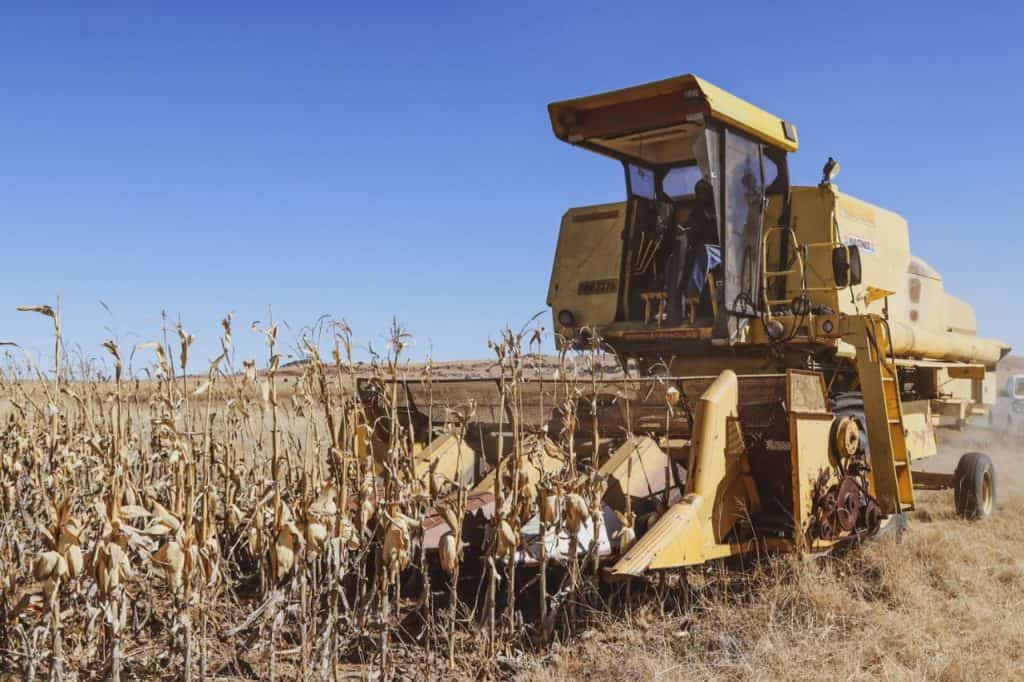
Saai, an agricultural network for farmers, is also involved in this project. The organisation’s Development Coordinator, Leon Lourens, believes there is something special about the Barolong Boo Seleka cultural community: “This cultural community, like other deep rural communities, has everything that money cannot buy: good people and land with agricultural potential. It is a privilege for Saai to be part of this joint effort to unlock this potential through the modernisation, mechanisation and commercialisation of small-scale farming operations.”
Ntsane concludes: “We thank AfriForum and Saai from the bottom of our hearts. Our biggest farming challenge was irrigation, and through their support it is not only our garden but also our village that has reliable access to water. Community members see this vegetable project as our future company and ourselves as business partners with the motto Ikageng ka diratswana which means ‘build yourselves through gardens’.”
AfriForum and Saai are involved in the Ikageng Garden through their agricultural development incubator, Resilient Regenerative Agricultural Initiative (RRAIN).
The development of the project