AfriForum welcomes government’s plan to criminalise illegal mining as a serious offence
AfriForum welcomes the government’s proposed amendments to legislation to explicitly criminalise illegal mining as a punishable offence. The organisation believes that this step is long overdue and could close an important gap in the state’s fight against organised crime.
The proposed amendments provide for imprisonment of up to 30 years and fines of up to R100 million. This is an important improvement on the current situation, where people involved in illegal mining are often charged with lesser offences such as trespassing.
“This is a step in the right direction. It is absurd that illegal mining could, until now, not properly be addressed as a crime in its own right. The state must now show that this new legislation will not merely be another piece of paper, but will actually be enforced,” says Jacques Broodryk, AfriForum’s Chief Spokesperson for Community Safety.
AfriForum is particularly concerned about the organised criminal structures behind illegal mining. The problem does not begin and end with the person mining underground. There are financiers, recruiters, equipment suppliers, buyers and other role-players who keep the illegal industry going.
“The state must target the entire value chain. It is pointless to arrest only the visible person underground while those who finance this industry and profit from it remain untouched. The money must be followed and the people behind the syndicates must be prosecuted,” says Broodryk.
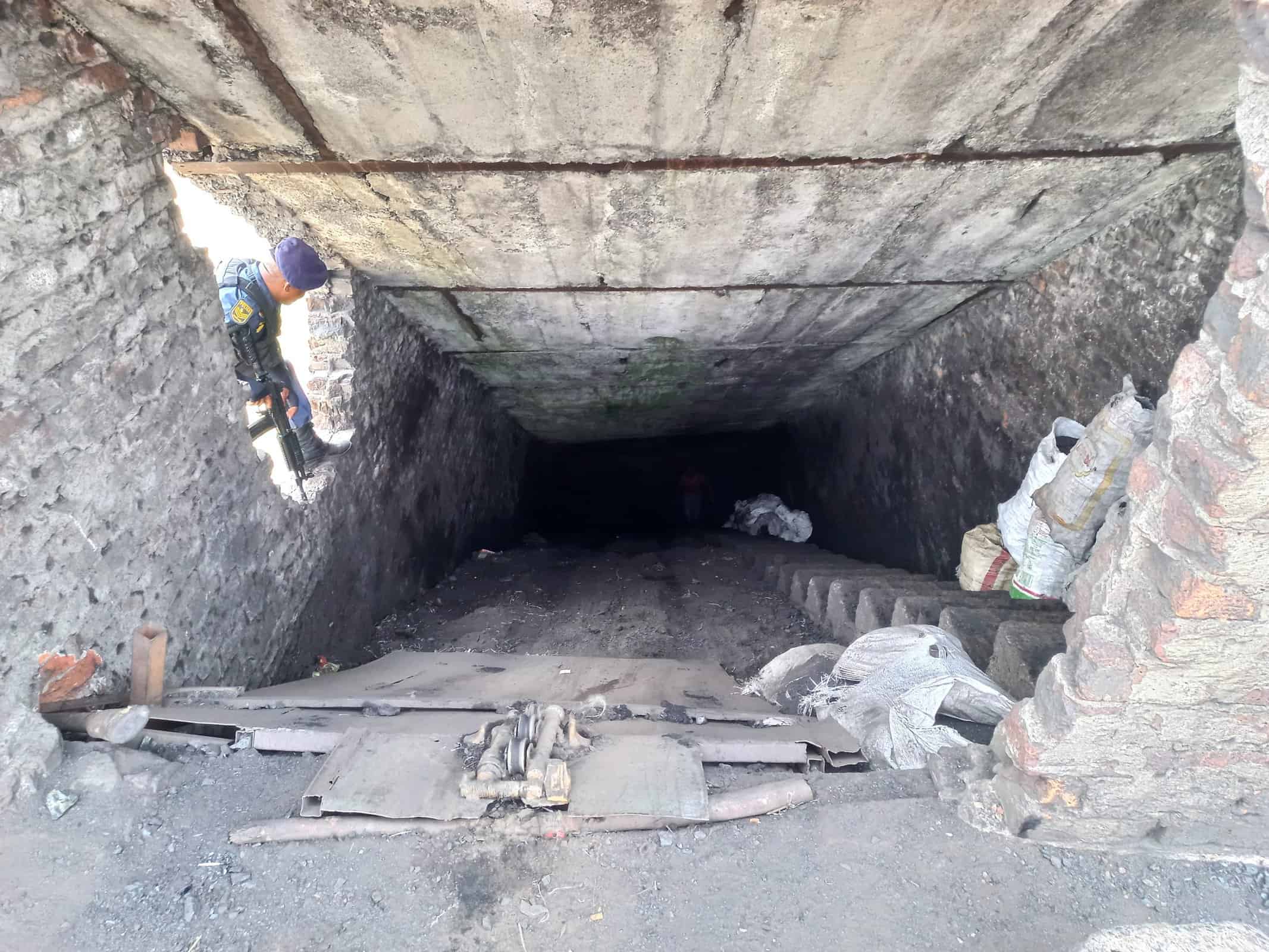
The impact of illegal mining, however, cannot be measured only in terms of lost income. Communities, farms, water sources and infrastructure are being damaged by these activities. In Limpopo, residents and farmers in areas such as Kuschke, Ysterberg and Eerstegoud have reported that armed illegal miners are damaging their farms and polluting water, while threatening their agricultural operations and livelihoods. In Johannesburg, the Metro warned that illegal underground mining had resulted in sinkholes, road collapses, damaged sewer infrastructure and the closure of businesses. In some areas, underground cavities as deep as 22 metres have been identified.
“This is therefore not only about gold, platinum or other minerals being stolen. It is about people’s farms, homes, water, roads and safety. When a community’s land is excavated and its infrastructure is damaged, we can no longer pretend that this is merely a minor offence,” says Broodryk.
The human cost of illegal mining is equally clear. On 10 August 2026, at least 14 alleged illegal miners were killed in a collapse at an abandoned mine dump near Rustenburg. Another eight people were injured. AfriForum believes, however, that new legislation will only make a difference if it is followed by decisive law enforcement.
“We welcome the government’s decision, but now action must follow. The South African Police Service (SAPS) and prosecuting authorities must have the capacity to investigate these syndicates, expose their cash flows and bring the people at the top of the industry before the courts. Action must also be taken against state officials who enable illegal mining through corruption or negligence,” says Broodryk.
AfriForum will monitor the legislative process and hold the government to its promises. “Illegal mining is organised crime and must be treated as such. AfriForum therefore welcomes this step, but South Africans do not need more promises. They need law enforcement, prosecutions and visible results,” Broodryk concludes.