AfriForum urges independent audit of fuel price amidst global energy crisis
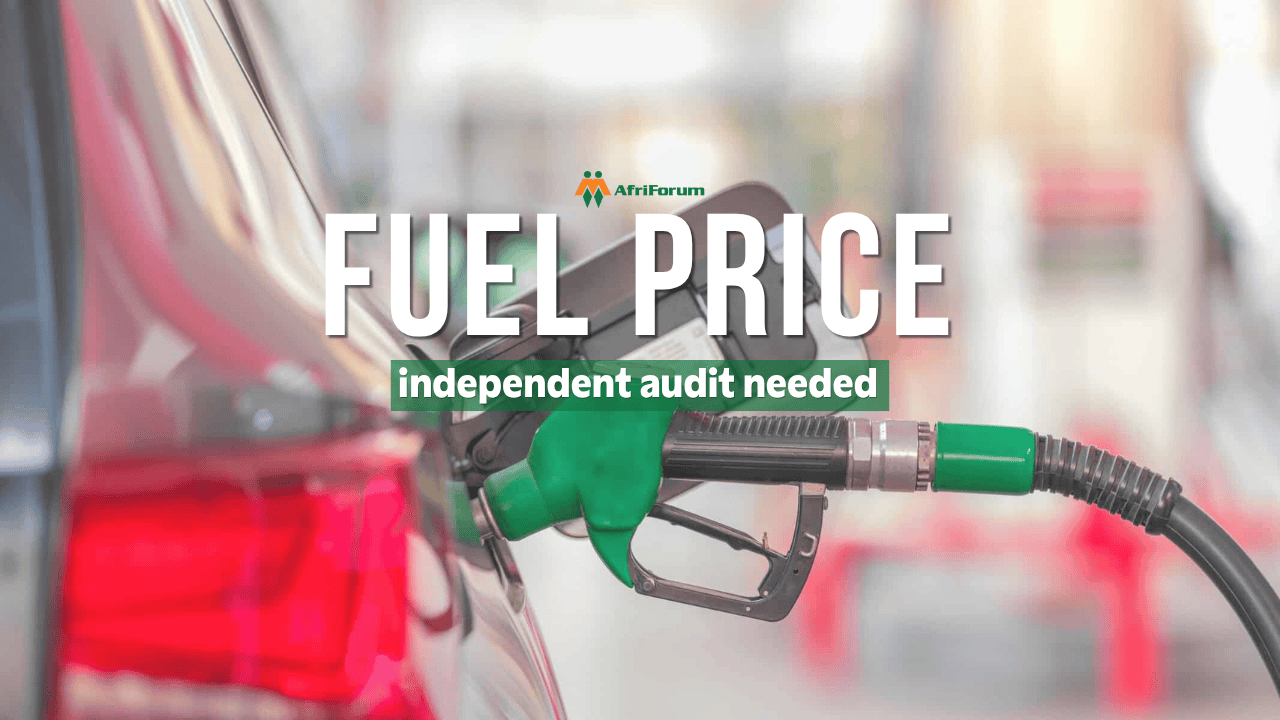
The civil rights organisation AfriForum has written a letter to the Minister of Finance, Enoch Godongwana, demanding an independent audit of the fuel price and levy, including the general fuel levy, carbon fuel levy and the Road Accident Fund levy. The audit should examine how these various components are calculated and applied; whether the current structure is efficient, transparent and proportionate; what these funds are used for and how effectively; the economic impact on consumers, transport operators, agriculture and small businesses; and options for lasting reform to relieve pressure on an already overtaxed population. AfriForum has also requested to be part of such a reform process so as to make presentations on behalf of consumers.
In June AfriForum wrote to the Minister urging that the temporary general fuel levy reduction be made permanent or, at minimum, extended well beyond the 1 July deadline. Since then, oil prices remained high, and the global energy crisis remained unresolved. AfriForum also warned in June that a short-lived cut would merely postpone the pressure on consumers, businesses and the economy rather than help them avoid it.
This week, petrol prices rose further and meanwhile transport costs continue to have an inflationary ripple effect throughout the economy and agricultural sector. The conditions that justified the original cut have not disappeared; they have actually worsened. AfriForum therefore remains committed to its request: either a permanent reduction in the general fuel levy, functioning as much needed tax relief, or at least a substantial, time-bound reinstatement of the levy cut while oil prices and geopolitical risk remain elevated.
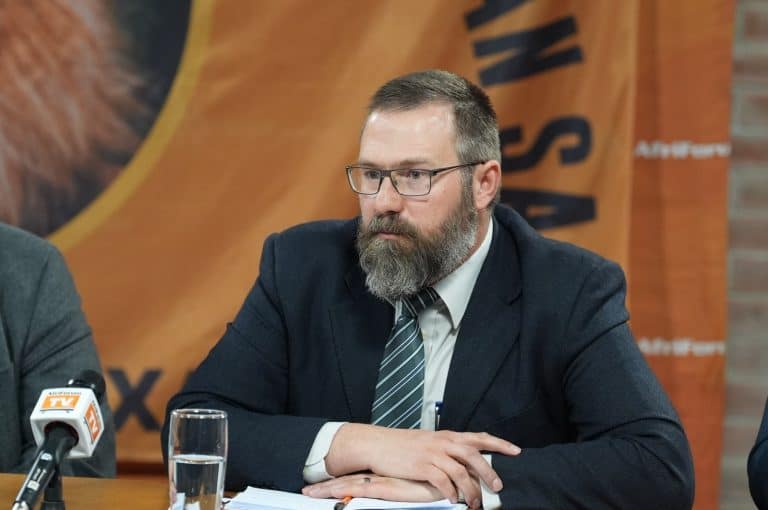
According to Ernst van Zyl, Head of Public Relations at AfriForum, the delayed impact to consumers and the economy that AfriForum warned about in June, is now here. “It remains the government’s responsibility to cushion households and the economy as effectively as possible from global shocks, not merely to delay it for a few months. A tax that forms a large share of the pump price should be put under proper scrutiny to explore possible long-term reforms,” Van Zyl concludes.