More than half of Western Cape waste disposal sites meet standards – but many are still in a poor state, an AfriForum audit shows
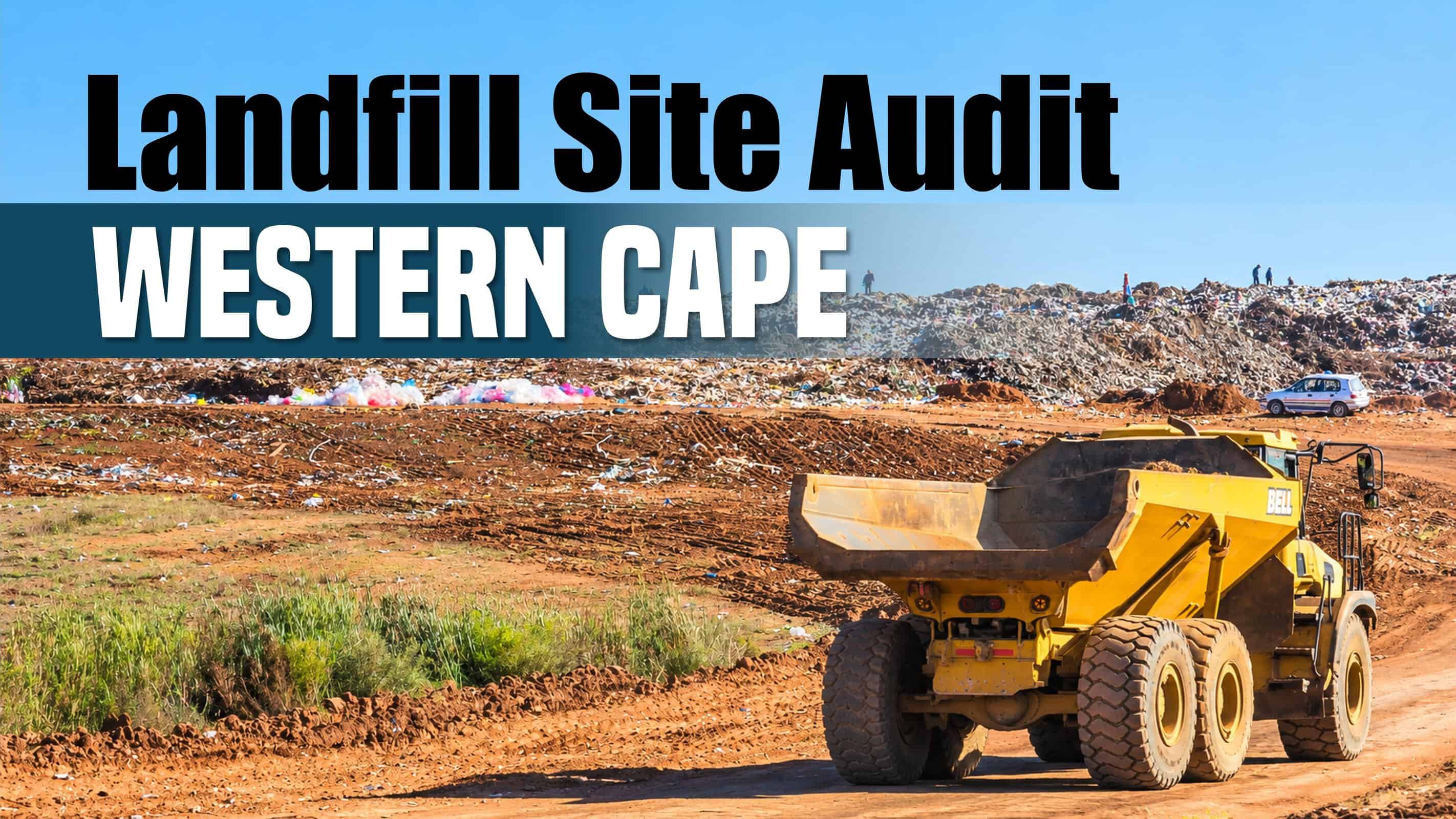
More than half of the landfill sites and transfer stations that AfriForum assessed this year as part of its landfill audit in the Western Cape (14 out of the 26 sites audited) meet the minimum requirements for responsible waste management. Furthermore, the province achieved an average compliance score of 66%, higher than any other province in the country.
AfriForum’s recently released landfill audit report further indicates that the Western Cape has the highest number of sites that met all the audit requirements, thereby achieving a 100% compliance score. These sites include the Gansbaai and Hermanus landfill sites in the Overstrand Local Municipality, and the Gordon’s Bay transfer station in the City of Cape Town Metropolitan Municipality. The only other site in the country to reach this milestone is the Tonkmeter Resource Facility in Springs, which is privately managed by Tonkmeter.
This year, AfriForum audited 132 landfill sites and transfer stations across all nine provinces; however, only 30 sites (or 23% of the total) met at least 80% of the audit requirements. This suggests that, on average, approximately eight out of every ten sites nationwide exhibit serious shortcomings in infrastructure, operational management or compliance with basic requirements.
According to Jurie Ferreira, AfriForum’s Regional Head for the Southern Region, waste disposal sites in the Western Cape are, in many respects, exceptional examples of responsible waste management. He warns, however, that this level of performance is not found everywhere in the province and that the results represent the extremes of the spectrum. “While sites in municipalities such as Mossel Bay and Overstrand are performing excellently, the performance of many waste disposal sites – particularly in the Hessekwa and Knysna Local Municipalities – is dismal,” he emphasises.
Furthermore, nine sites in the province failed to even achieve an average compliance score of 50%. These sites are (the compliance score is indicated in brakcets):
- Old Place Landfill Site, Knysna Local Municipality (0)
- Ashton Landfill Site, Langeberg Local Municipality (10)
- Sedgefield Transfer Station, Knysna Local Municipality (18)
- Witsand Landfill Site, Hessequa Local Municipality (22)
- Heidelberg Landfill Site, Hessequa Local Municipality (26)
- Slangrivier Landfill Site, Hessequa Local Municipality (32)
- De Doorns Landfill Site, Breede Valley Local Municipality (36)
- Lambert’s Bay Landfill Site, Cederberg Local Municipality (38)
- Jongensfontein Landfill Site, Hessequa Local Municipality (42)
“Decisive action is essential, particularly in these areas, to halt and reverse the impact of poor landfill management. Effective waste management is non-negotiable and has far-reaching consequences for both people and the environment. Both Knysna and the Hessekwa regions are situated within the broader Cape Floral Region; consequently, poor landfill management in these municipalities could have extensive negative repercussions for, among other things, the region’s unique biodiversity and water resources. We now have the opportunity to set things right and protect the environment – municipalities must seize this chance before it is too late and irreversible damage is caused,” concludes Ferreira.
Earlier this month, AfriForum submitted its report to the Department of Forestry, Fisheries and the Environment (DFFE) in Pretoria. In the meantime, the civil rights organisation will continue to monitor municipal landfills annually and engage with authorities, industry stakeholders, and communities regarding practical solutions to the country’s waste management challenges. The organisation also encourages communities to become actively involved in responsible waste management, recycling and local initiatives aimed at reducing the volume of waste sent to landfills.