Mangaung refuse removal fiasco: This is how the Metro is trying to deceive the court – AfriForum
Soundbite: Christo Groenewald (English)
Soundbite: Christo Groenewald (Afrikaans)
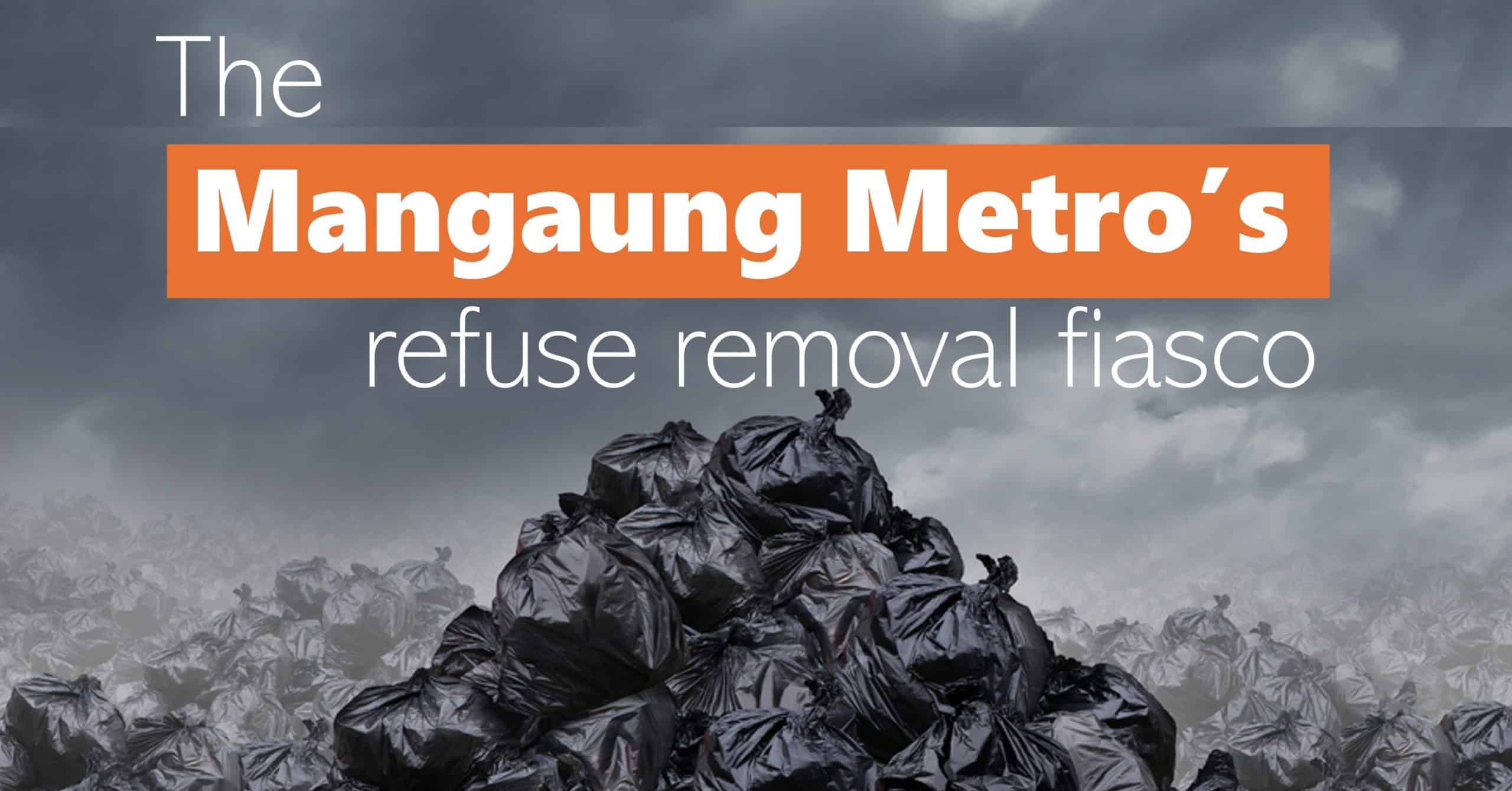
AfriForum is ready to take the Mangaung Metropolitan Municipality to court and refute this Metro’s many fallacies about the extent of the refuse removal fiasco in Bloemfontein. Sello More, the Metro’s Municipal Manager, last week submitted the Metro’s opposing affidavit in response to AfriForum’s court application about the continued failure of refuse removal services. It argues, among other things, that the refuse removal service is not in crisis and that residents are still obliged to pay for the service even though they make use of private service providers.
However, the civil rights organisation maintains that the Metro’s representation of the state of refuse removal is aimed at deceiving the court and that the refusal to exempt residents from paying for this service is unlawful.
AfriForum’s court case stems from years of persistent refuse removal problems in this Metro, where refuse is only sporadically collected. The Metro argues that these problems arise due to operational challenges, such as fuel shortages and broken refuse removal trucks, but that the issues are by no means as serious as AfriForum claims. AfriForum contends that the decline in dependable refuse removal presents significant health, environmental, and safety hazards for residents, necessitating immediate action.
AfriForum’s legal team will soon file its replying affidavit and respond in full to the content of the metro’s affidavit. Once this process has been completed, a court date can be set.
According to Christo Groenewald, AfriForum’s Bloemfontein District Coordinator, the Metro’s affidavit does not reflect the reality of what thousands of residents are struggling with at grassroots level. “Many residents have already contracted private service providers out of desperation to remove their garbage, but despite the scope that legislation creates for waiving payment for this service, the Metro persists in its refusal to grant permission for it. This constitutes an unacceptable practice that effectively imposes a double tax on residents for a service that the Metro no longer reliably provides.”
AfriForum’s court application seeks to confirm the legal principle that residents should not be obliged to pay for services that are not provided; that residents have the right to use alternative service providers; and that the metro should be held accountable for its failure to ensure basic service delivery.
Although the metro claims in its affidavit that procedures exist to resolve disputes, the reality remains that these mechanisms – amidst the ongoing garbage crisis – are inadequate and ineffective in practice.
“AfriForum will continue the case to ensure that the Metro fulfils its constitutional obligations and restores service delivery. The harm to residents’ health and the financial burden that poor service delivery entails can no longer be tolerated,” Groenewald concludes.