Intercultural Relations and Cooperation at AfriForum: 2025 highlights
This article is also available in: Setswana, Zulu, isiXhosa, Sesotho
2025 has been a good year for Intercultural Relations and Cooperation at AfriForum, and we therefore look back on the year’s highlights with profound gratitude.
AfriForum promotes rural development
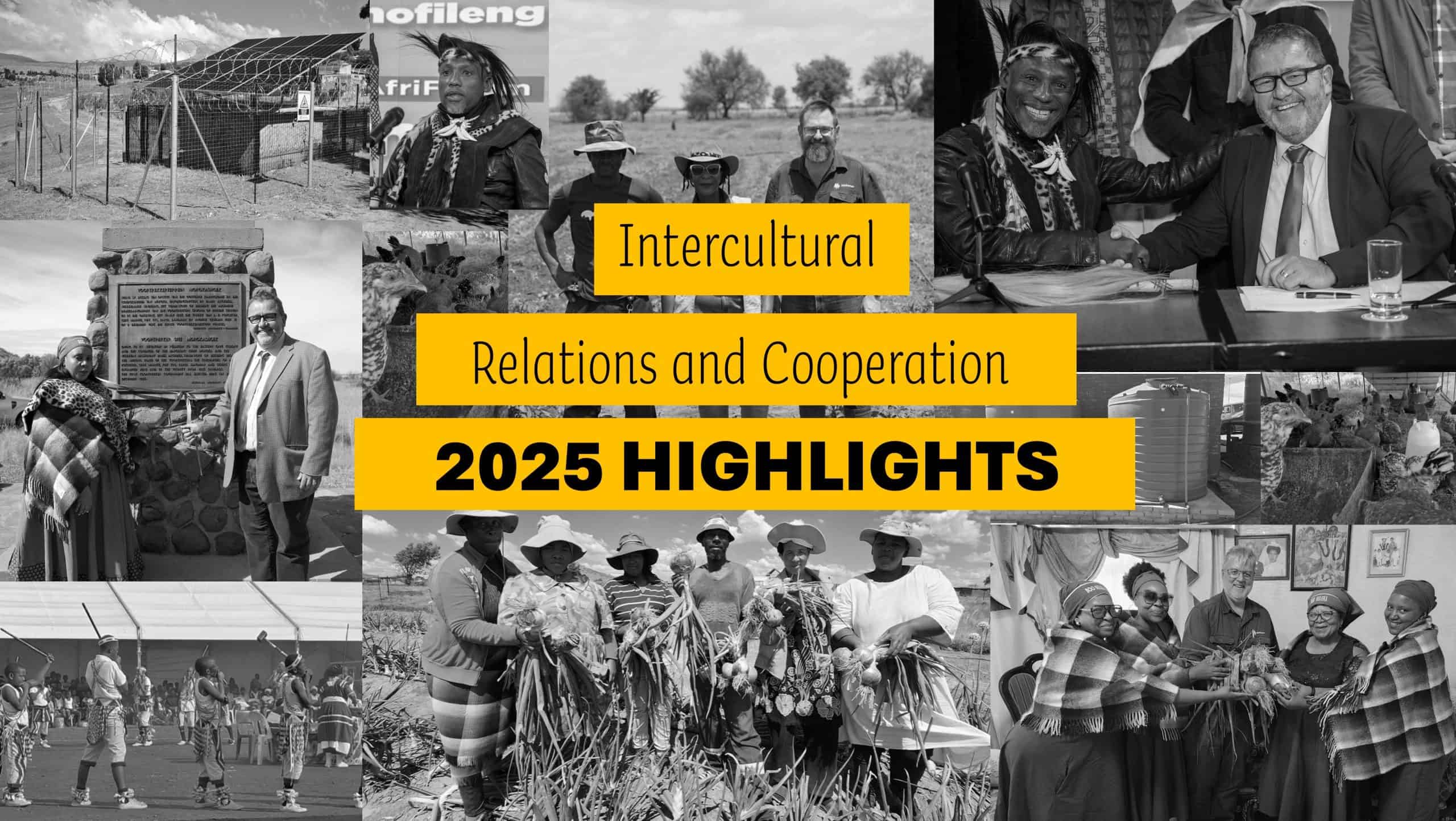
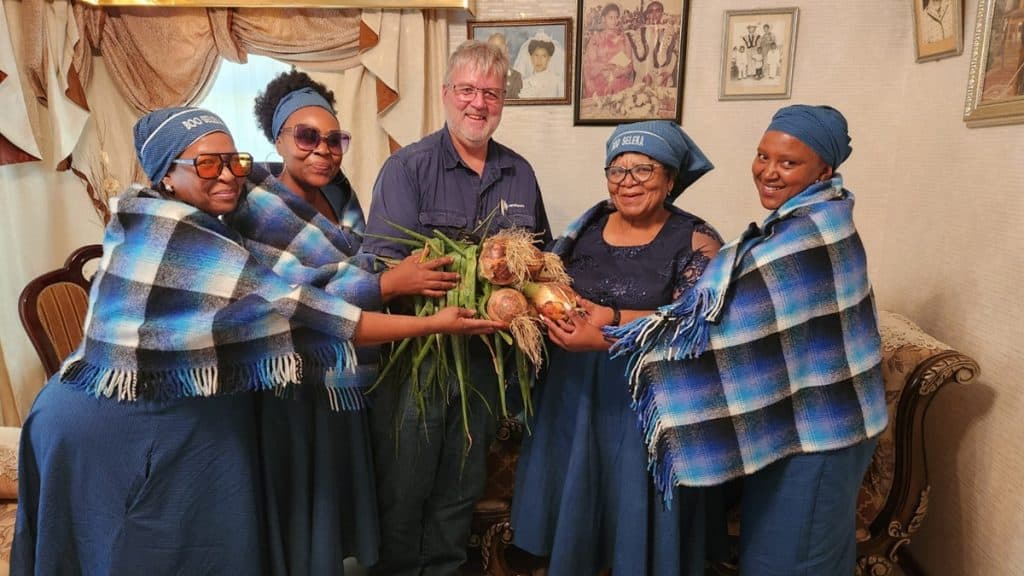
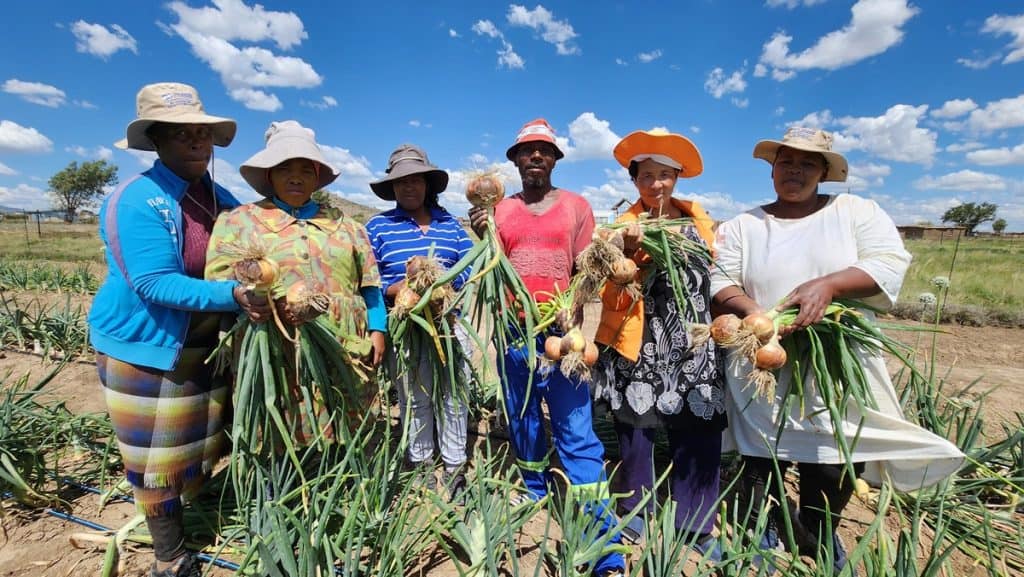
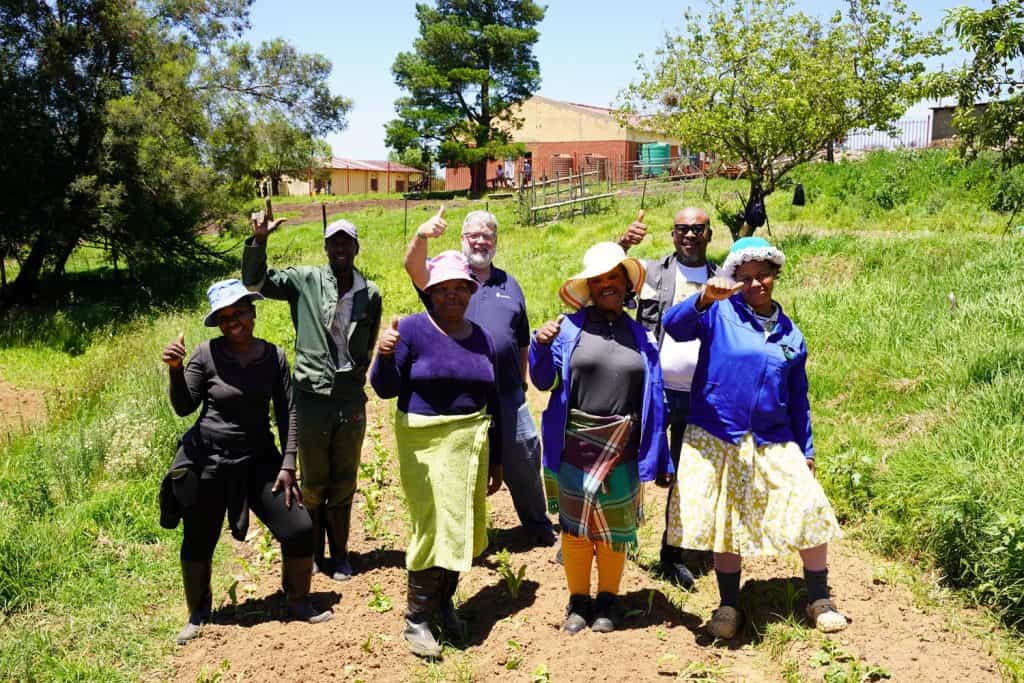
The vegetable project at the Noga’s Post settlement outside Thaba’Nchu in the Free State, which was undertaken by the community, Kgosi (queen) Gaboilelwe Moroka, AfriForum and Saai, in February harvested 800 kg of onions. This harvest was sold in nearby villages and to schools, while some of the onions were also donated to persons with disabilities and the elderly in the community. The money collected through the sale of this crop is used to buy inputs for the next planting cycle, while it also produced an income for those involved. The community members were also proud that they were able to donate some of the onions to Kgosi Gaboilelwe and Mohumagadi (queen mother) Gaongalelwe Moroka.
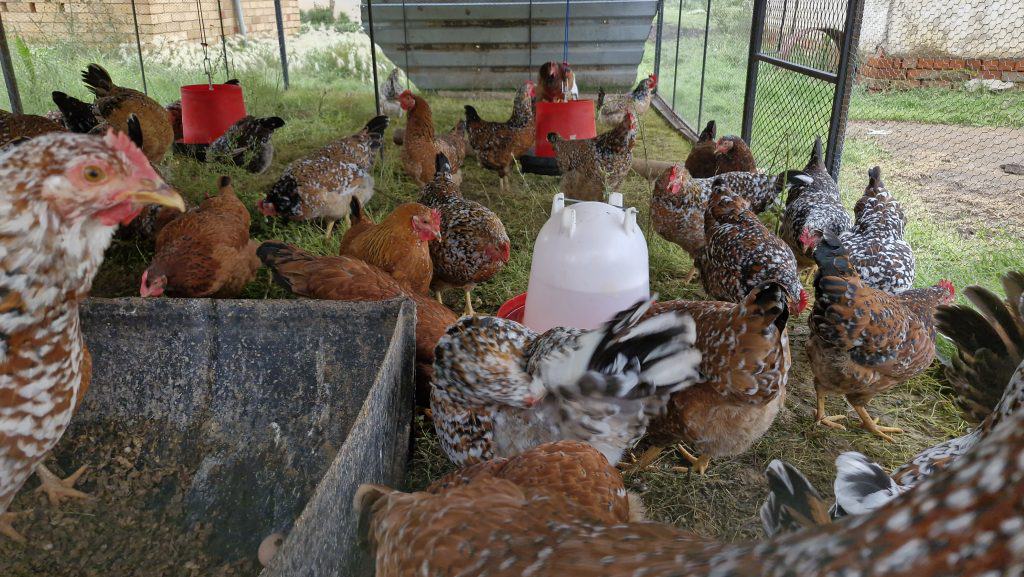
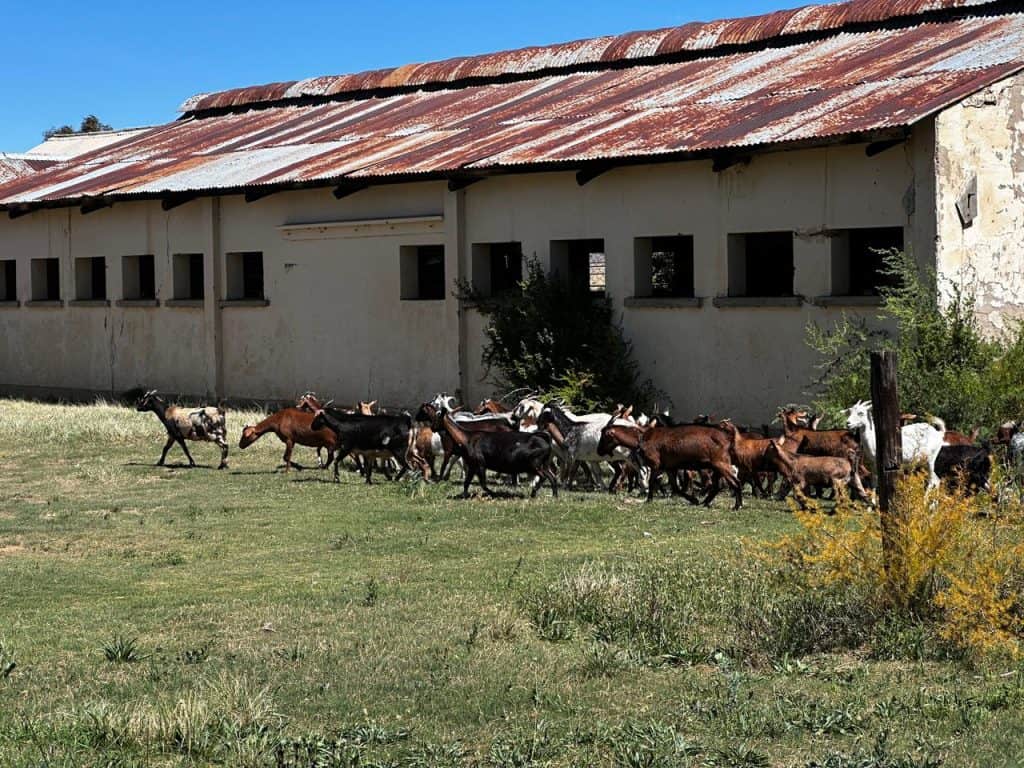
In April, AfriForum visited the layer-hen and indigenous veld-goat agricultural incubation projects on the farm Blijdskap near Thaba’Nchu in the Eastern Free State, and it was truly heartening to see how well both projects are progressing.
In May, AfriForum and Saai, together with Kgosi Gaboilelwe Moroka, held important meetings on agricultural development and development financing during the annual Nampo Harvest Day at Bothaville.
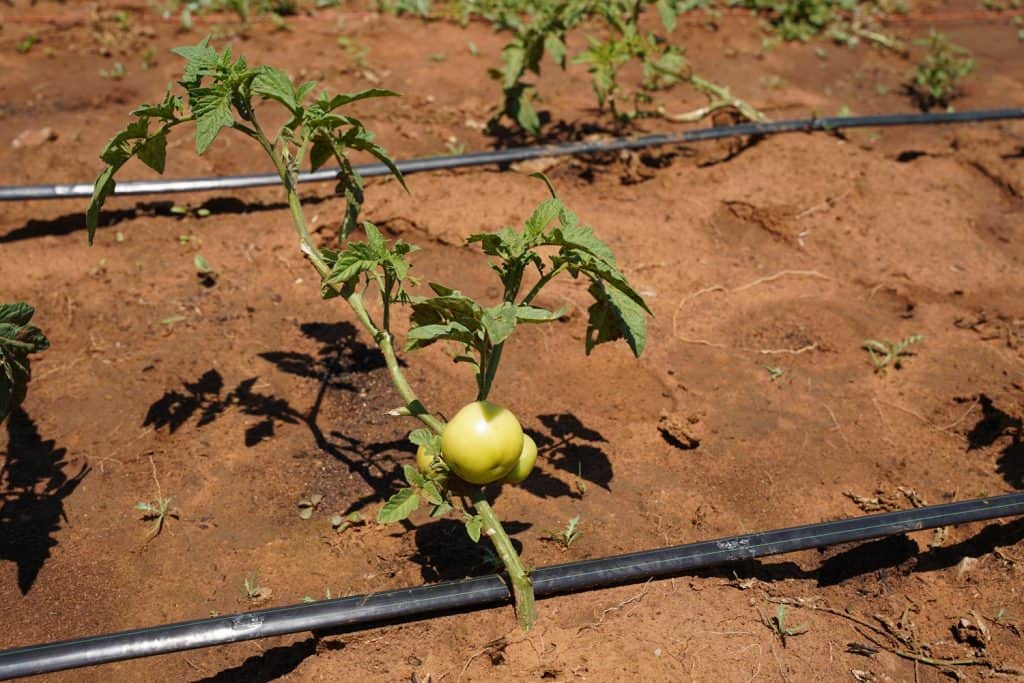
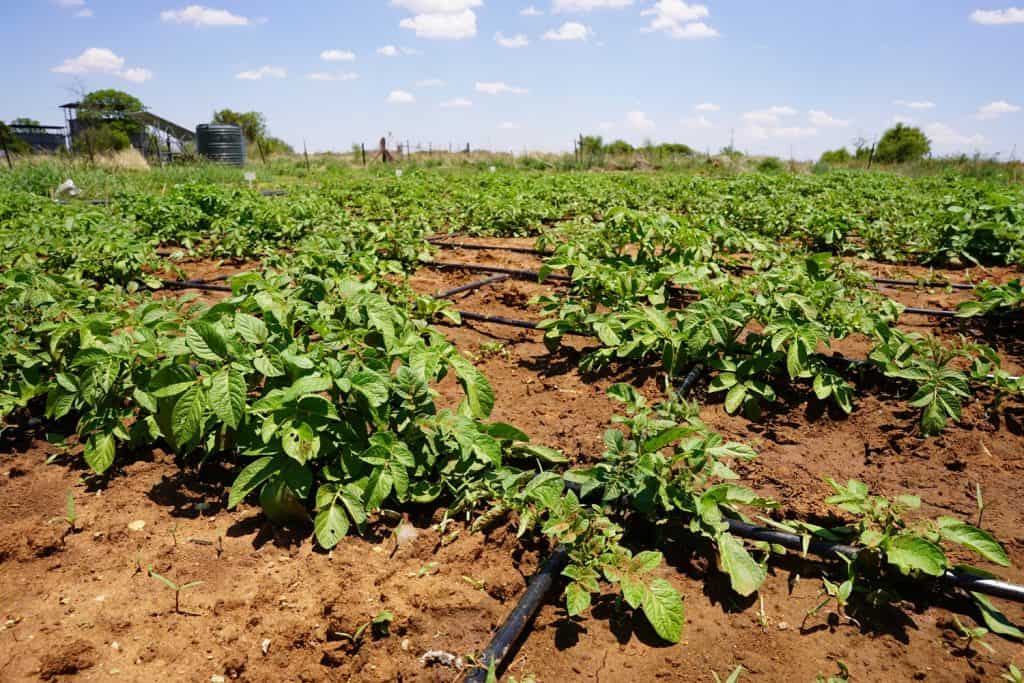
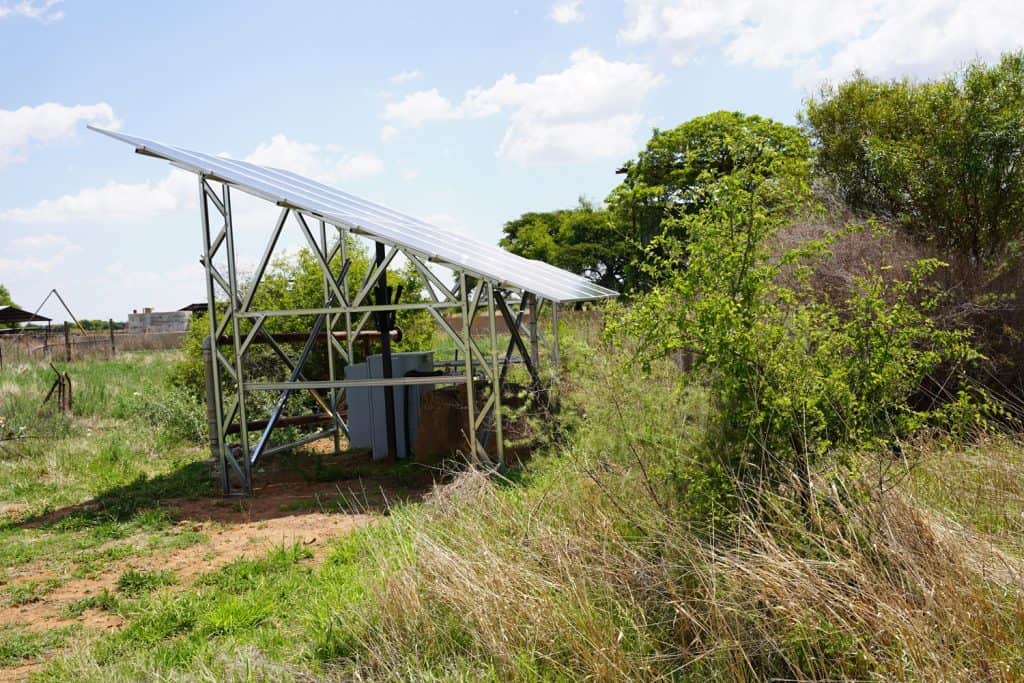
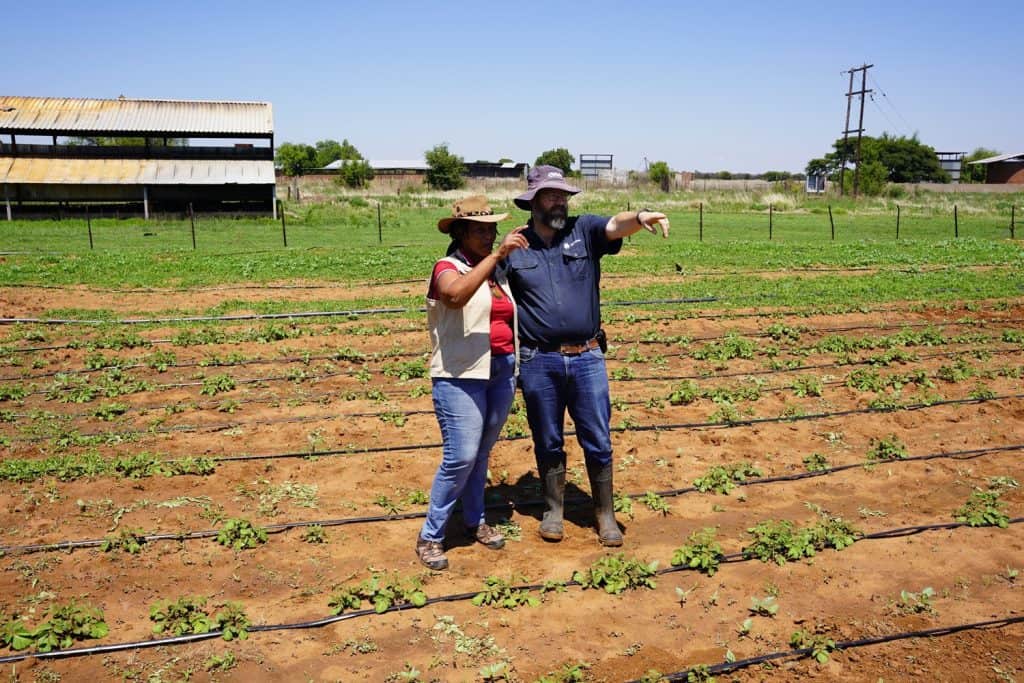
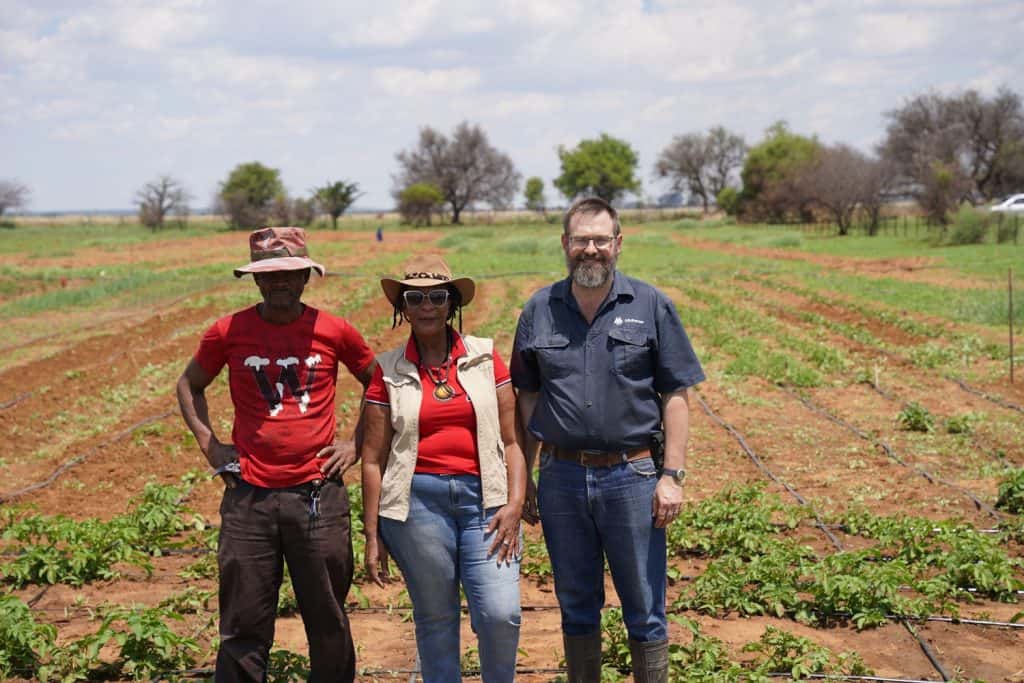
AfriForum and Saai have joined forces with Kgosatsana (Princess) Gaongalelwe Moiloa, co-founder of the Bahurutshe Ba Ga Moiloa Foundation, on her journey from emerging to commercial farmer. A solar-powered drip-irrigation system was installed in October to improve the productivity, sustainability and profitability of her farming operation. Kgosatsana Gaongalelwe already delivered a successful potato harvest of 200 bags in 2024 and has planted potatoes, tomatoes, green peppers, green beans and red onions in the current planting cycle. She is also planting a second round of potato trials for the Agricultural Research Council. She farms on a portion of the farm Jagersfontein in the Mahikeng District as a beneficiary of the Batsweneng Communal Property Association, which owns the farm.
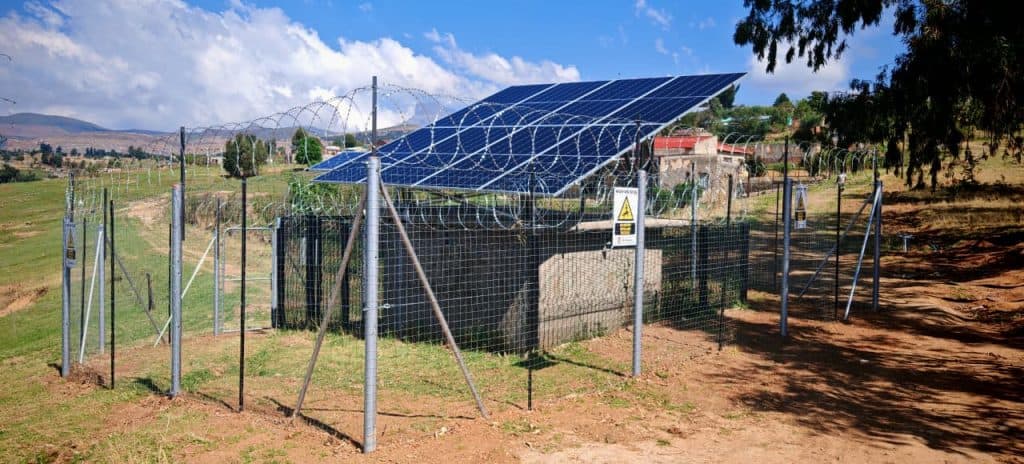
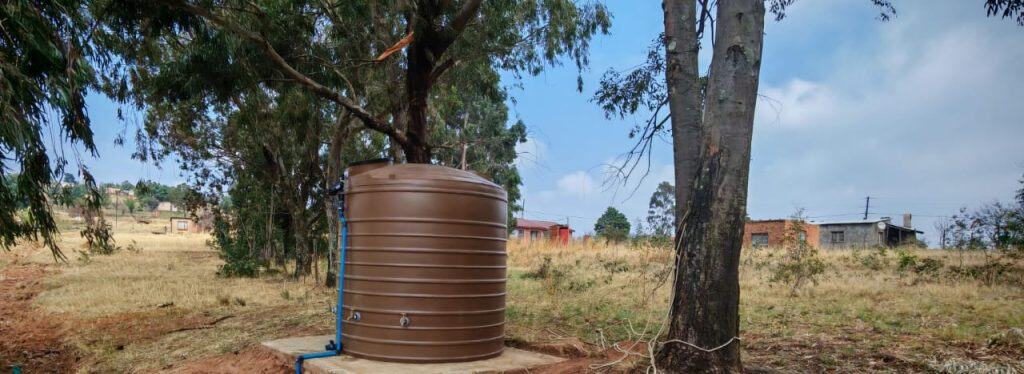
AfriForum, the Executive of the National House of Traditional and Khoi-San Leaders (NHTKL), Saai, and the office of Morena e Moholo (Principal Traditional Leader) Montoeli Mota of the Batlokoa Ba Mota announced the successful implementation of a solar-driven water supply system that reliably supplies water to the offices of the Batlokoa Ba Mota Traditional Council and the local vegetable garden in November. The vegetable garden will not only supply vegetables to the local feeding scheme, which currently faces vegetable supply shortages, but will also create the opportunity for community members for training, skills transfer and to earn an income. A water tank, that gives community members access to water, was also put into operation. This comes as the NHTKL took the lead in forging the historic partnership as part of the inaugural annual Lenaka Memorial Lecture held at Manthatisi Secondary School in Sedibeng, Phuthaditjhaba, Free State Province by the end of 2024.

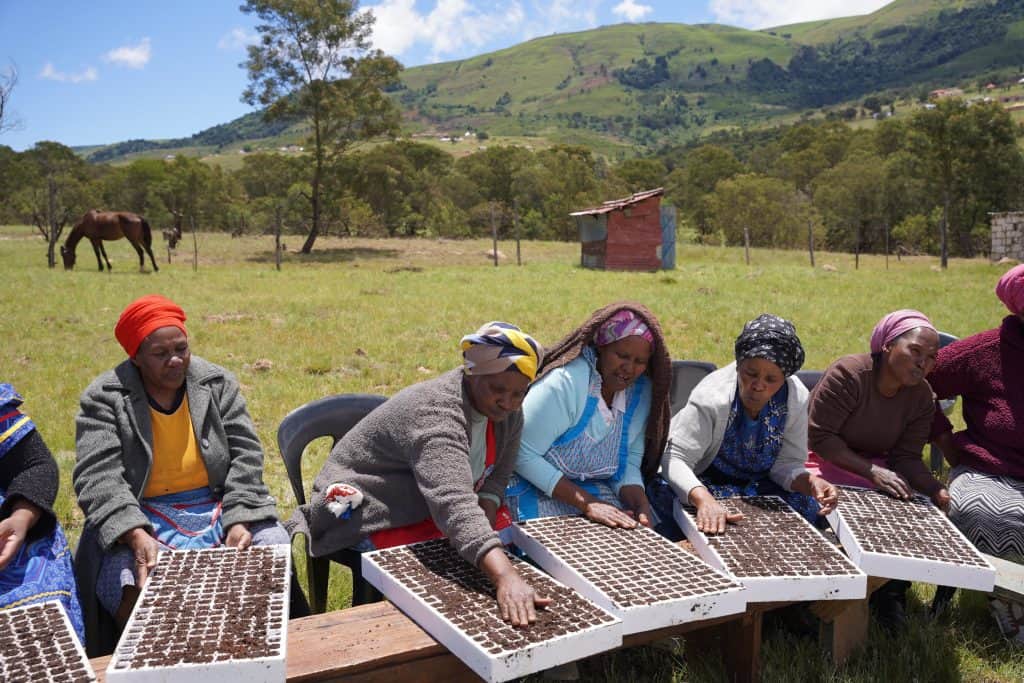
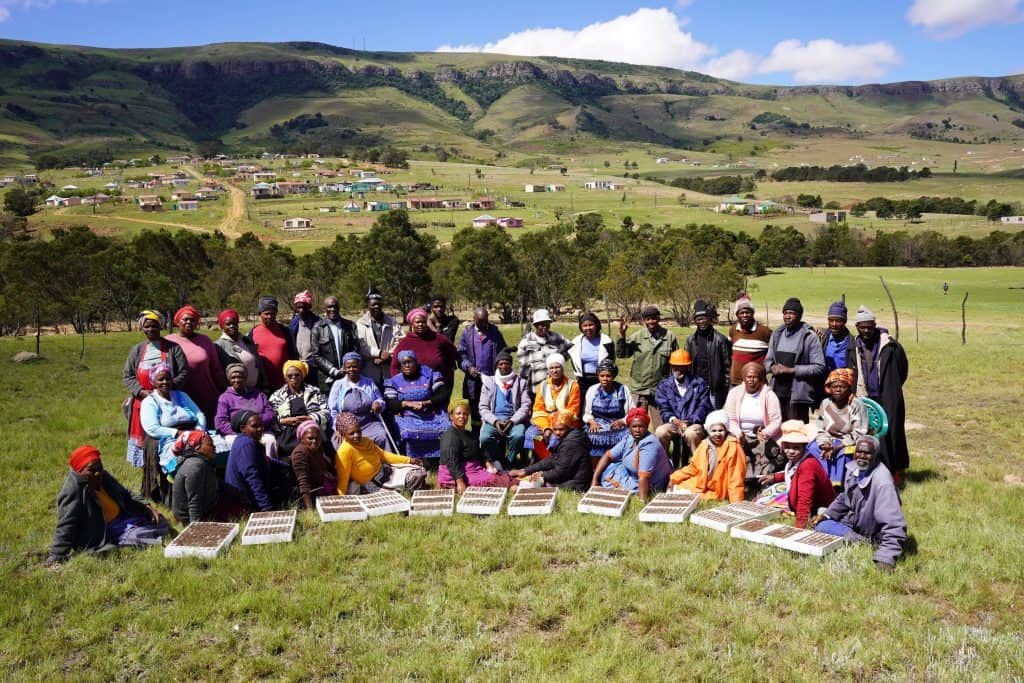
AfriForum and Saai joined forces with Nkosi Zweloxolo Stokwe and the Adopt-A-Village Rural Food Security Initiative to empower the Mtingwevu community near Cala in the Eastern Cape with the knowledge to grow seedlings for their vegetable gardens. Approximately 55 community members from 50 households attended the training, which was presented by Stark Ayres in November. Nkosi Zweloxolo Stokwe is the traditional leader of the AmaQwathi cultural community. This training follows after the Adopt-A-Village Rural Food Security Initiative approached AfriForum regarding possible collaboration. The main objectives of the initiative are to revive household vegetable production, reduce dependency on government grants, develop holistic self-sufficiency and healthy eating habits, and foster discipline, commitment, and a strong work ethic. The outcomes the initiative wishes to achieve include food security and rural community development, skills development, poverty alleviation, and community health through nutritional awareness and organic farming methods.
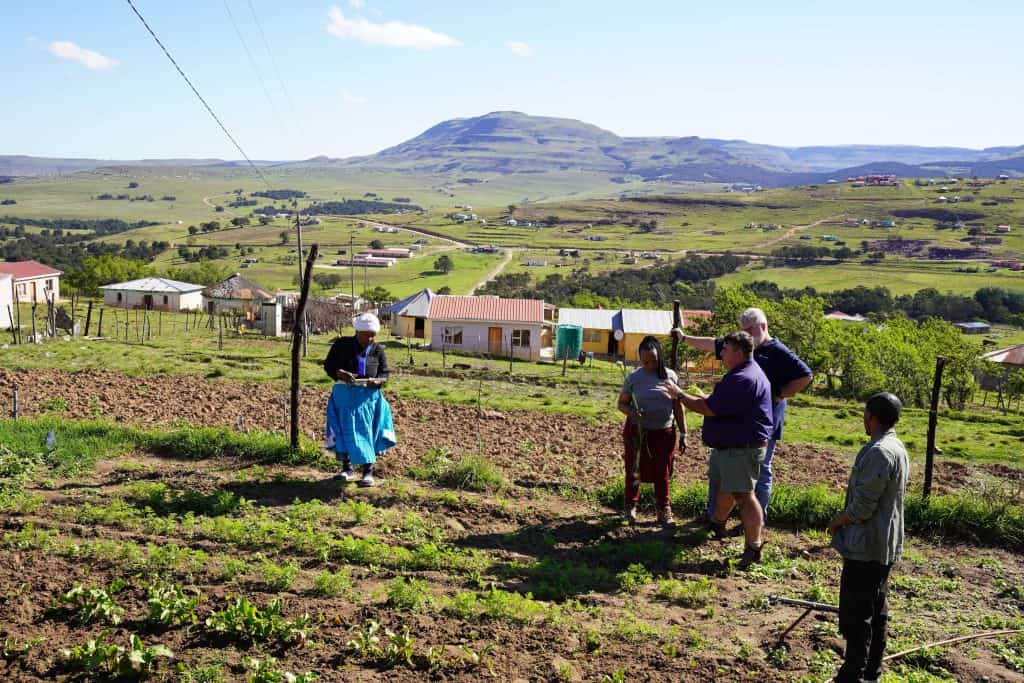
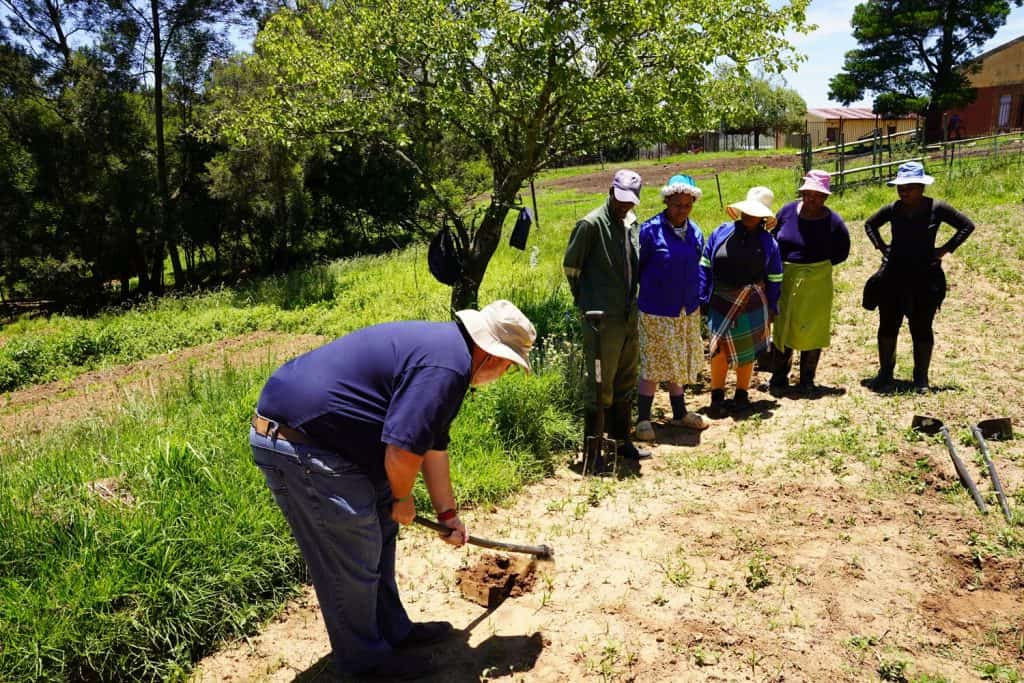
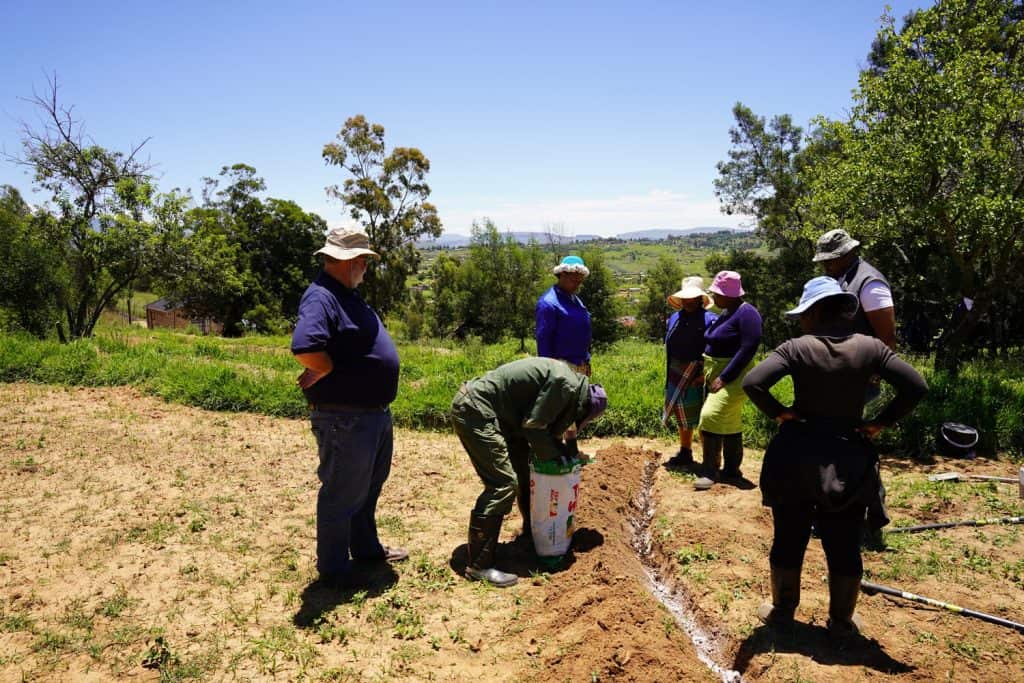
Community members of the Batlokoa Ba Mota cultural community of Tsheseng in Phuthaditjhaba in the Free State received vegetable production training from AfriForum in December, which focused on regenerative agricultural methods that is tailored to communities that have access to limited resources. The training involved soil health improvement and preparation, mulching for better water retention, temperature stabilisation and weed control, planting, general care and management as well as life skills. This is the next step in the process of supporting the community to strengthen their self-sufficiency and self-reliance undertaken by the historic partnership that was forged under the leadership of the Executive of the National House of Traditional and Khoi-San Leaders (NHTKL) with AfriForum, Saai and the office of Morena e Moholo (Principal Traditional Leader) Montoeli Mota of the Batlokoa Ba Mota as the other partners.
AfriForum promotes good relations and cooperation
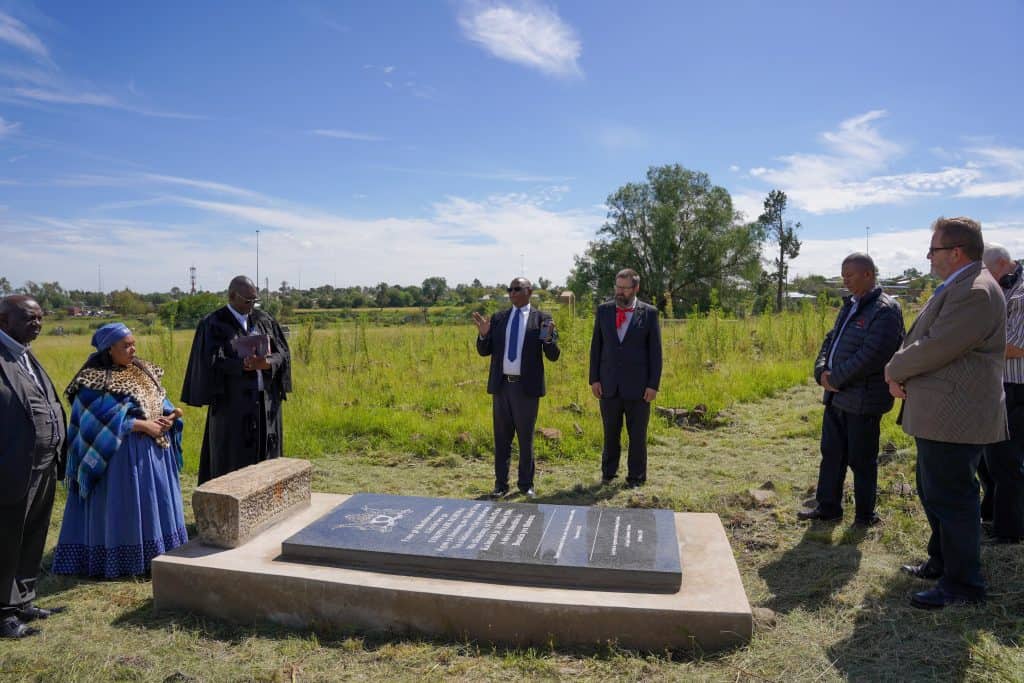
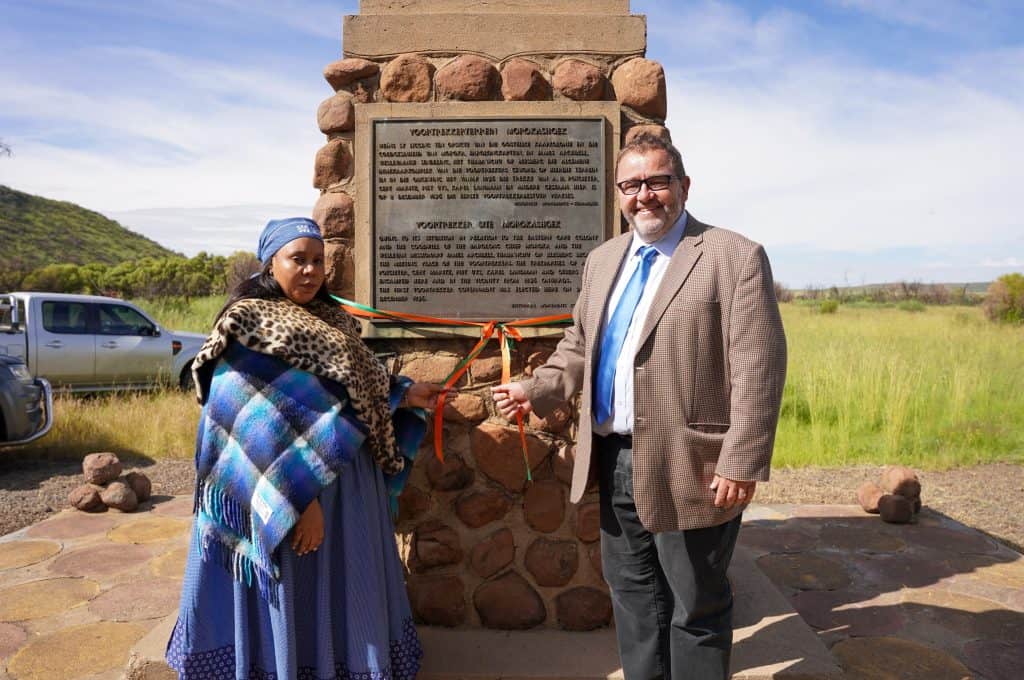
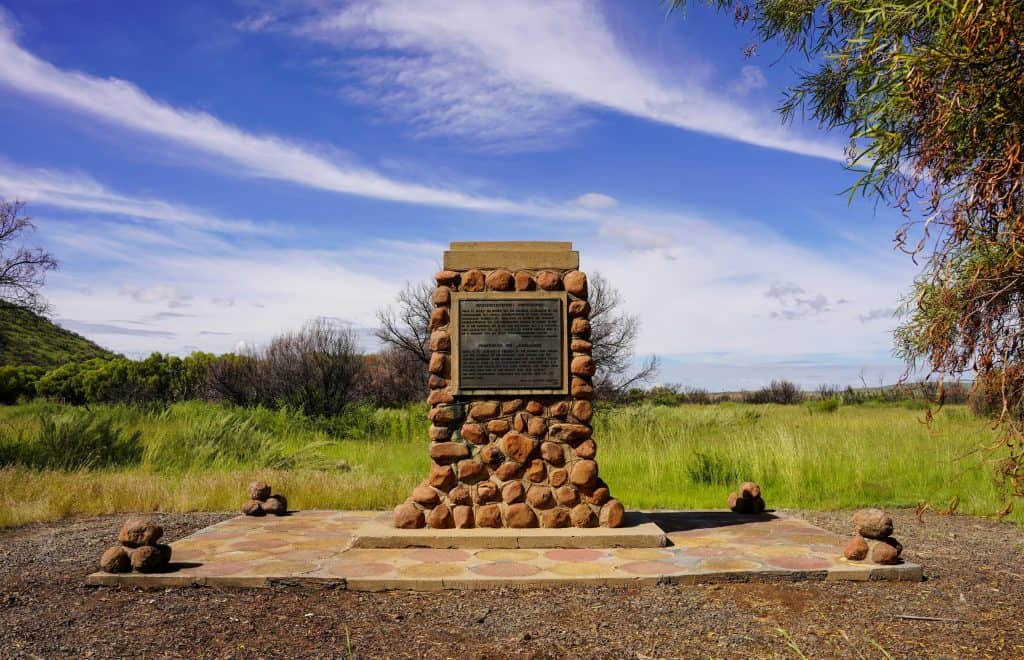
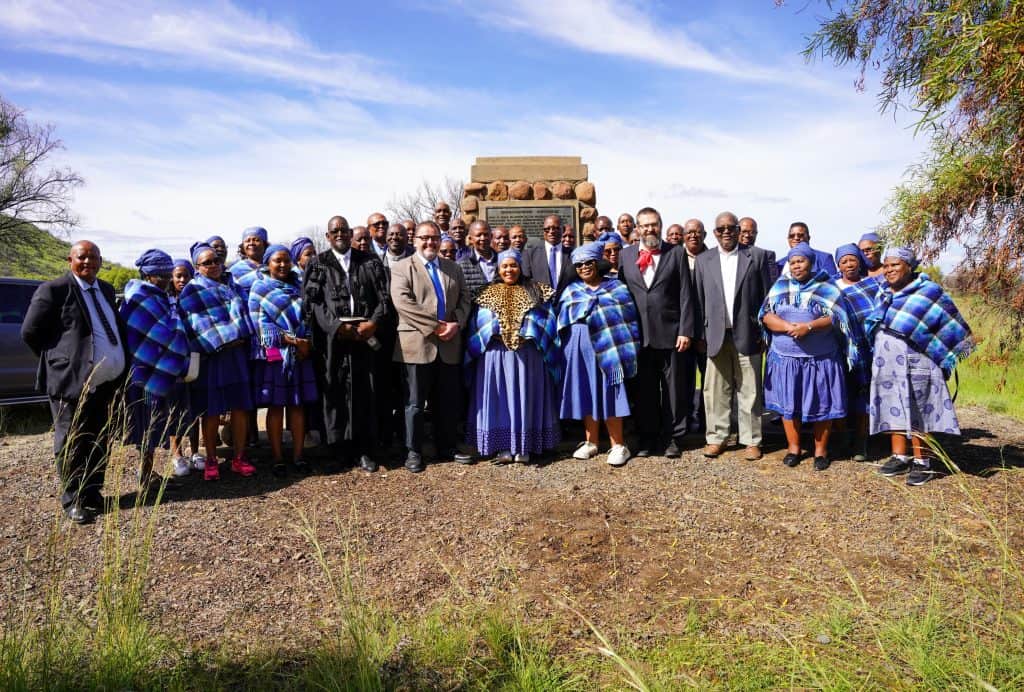
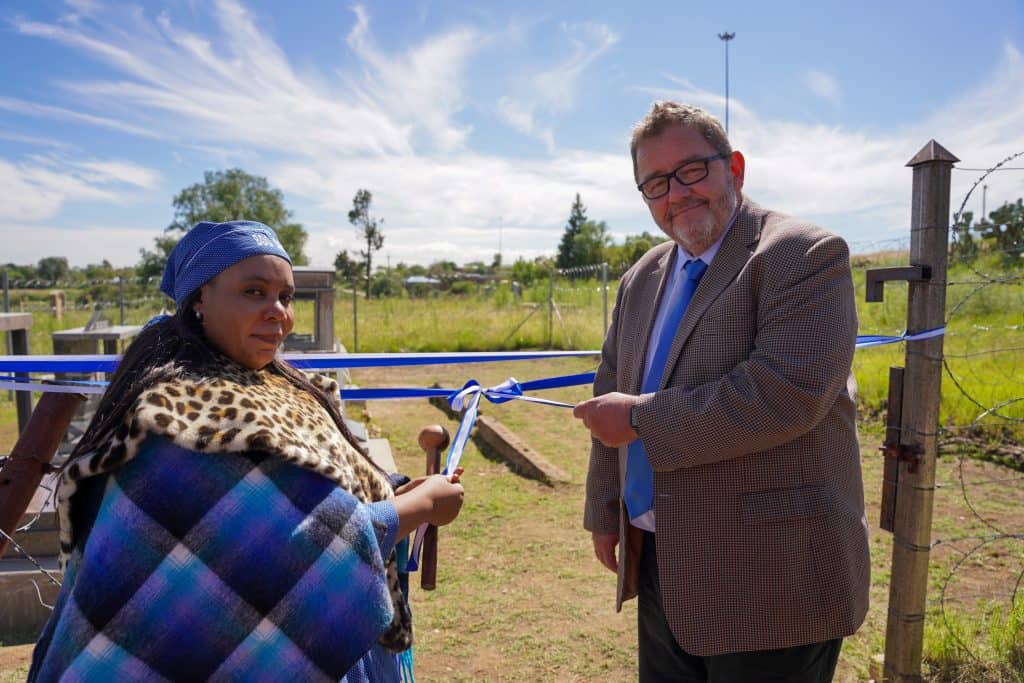
AfriForum and the Barolong Boo Seleka in March commemorated the treaty of alliance and partnership that was on that date signed 160 years ago, between the then kgosi of the Barolong Boo Seleka, Kgosi Moroka II, and the Republic of the Orange Free State (OFS). This historic event is considered to be the beginning of formal cooperation and mutual recognition between Afrikaners and the Barolong Boo Seleka. This commemoration event saw the unveiling of the newly restored graves of the Barolong Boo Seleka royal family and the monument commemorating the election of the first Voortrekker government in 1836 in Thaba Nchu.
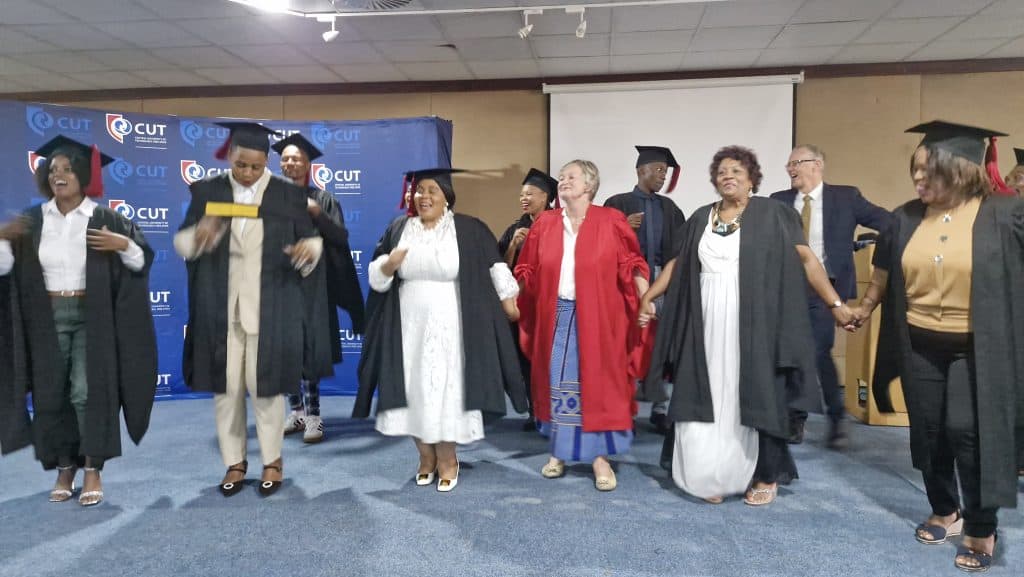
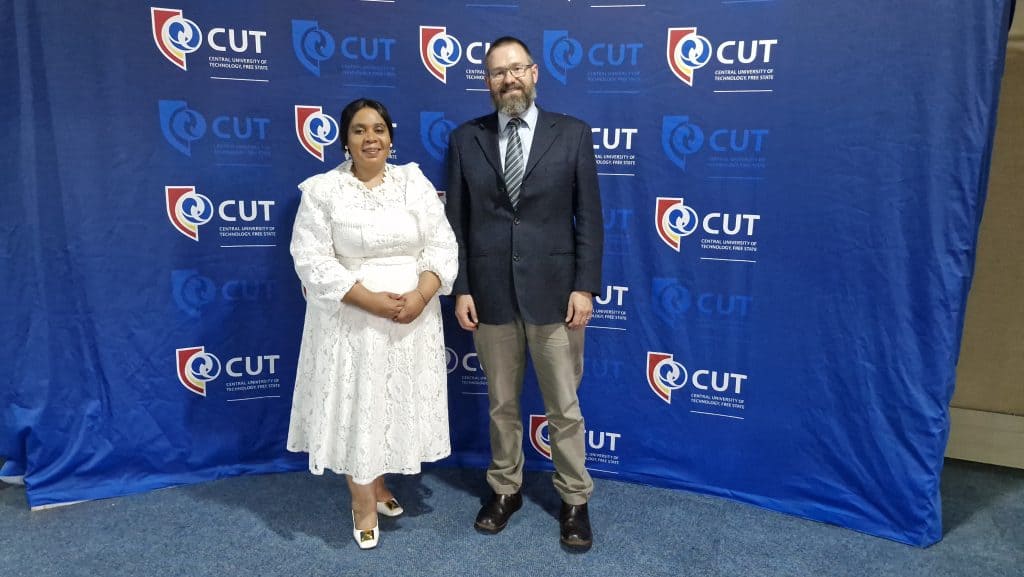
In April, AfriForum attended the graduation ceremony of students from Thaba Nchu — including students from Noga’s Post — whose studies were facilitated by the Global University for Lifelong Learning, the Central University of Technology, and the University of the Free State.
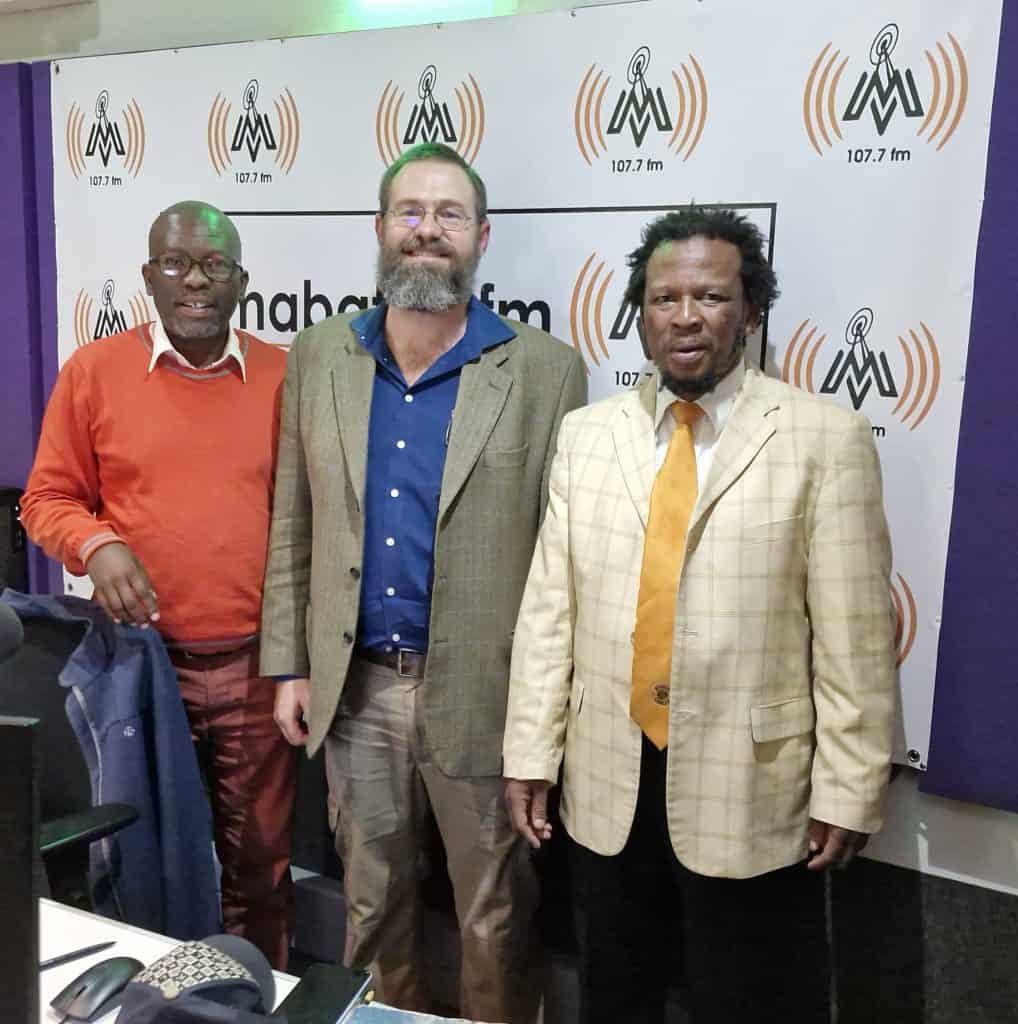
AfriForum shared important information about the strong current and historical relations and cooperation between Afrikaners and the Seleka Barolong community during an interview on Mmabatho FM in May.
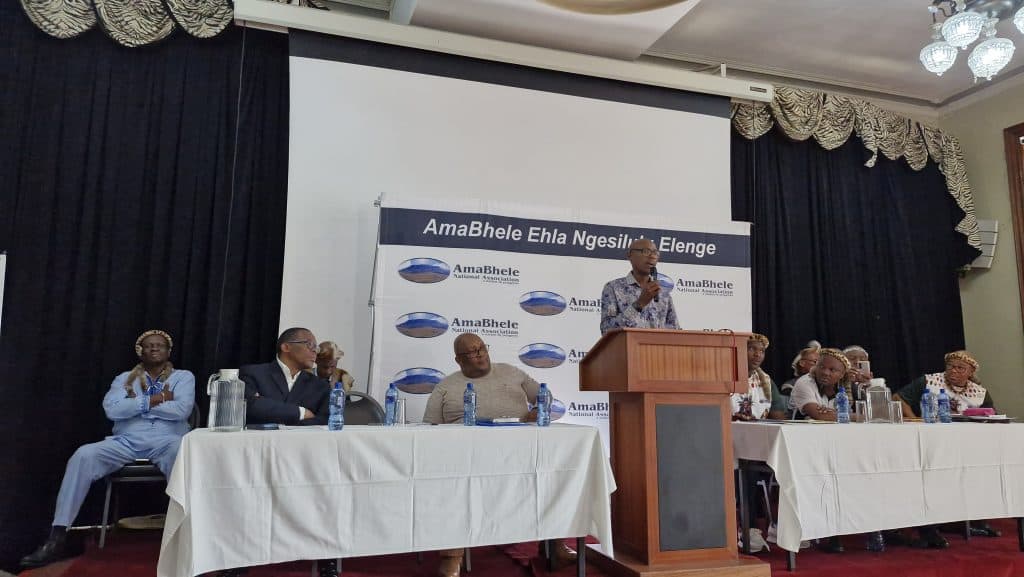
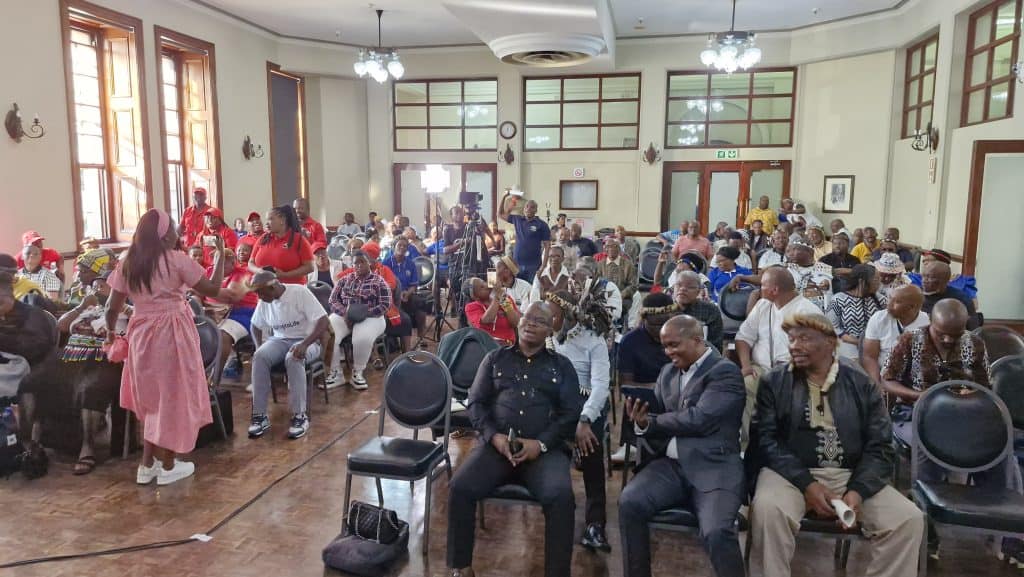
In June, AfriForum congratulated the AmaBhele National Association (Amanasso) on the successful hosting of the first annual Ndlela KaSompisi Memorial Lecture. The civil rights organisation attended the lecture and also expressed the hope that this event will play an important role in public discourse in the country in the future. The lecture was held in Durban.
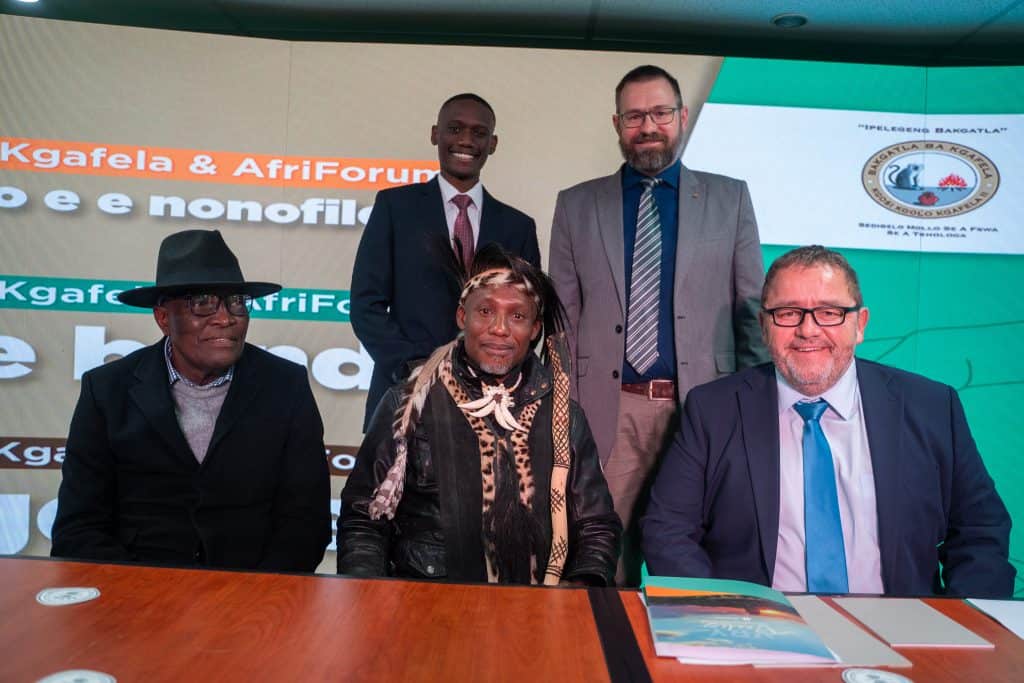
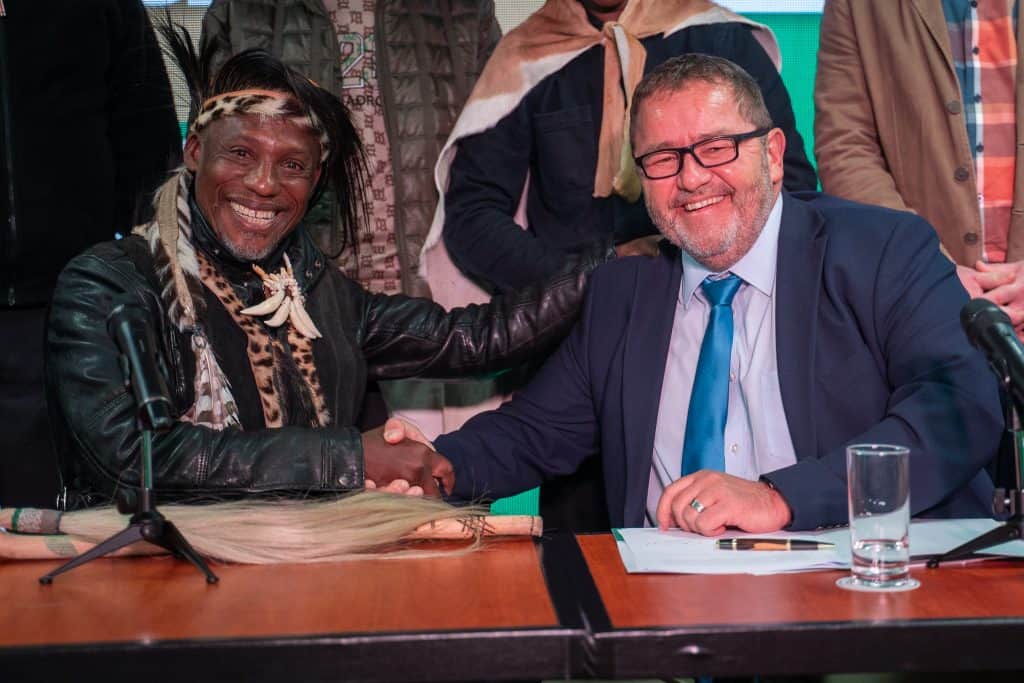
AfriForum and Kgosikgolo Kgafela Kgafela II of the Bakgatla Ba Kgafela cultural community signed a historic recognition and cooperation treaty in Cape Town in June. They also announced that they would be collaborating on the strengthening of cultural autonomy, community self-sufficiency, agricultural development and the preservation and strengthening of cultural identity.
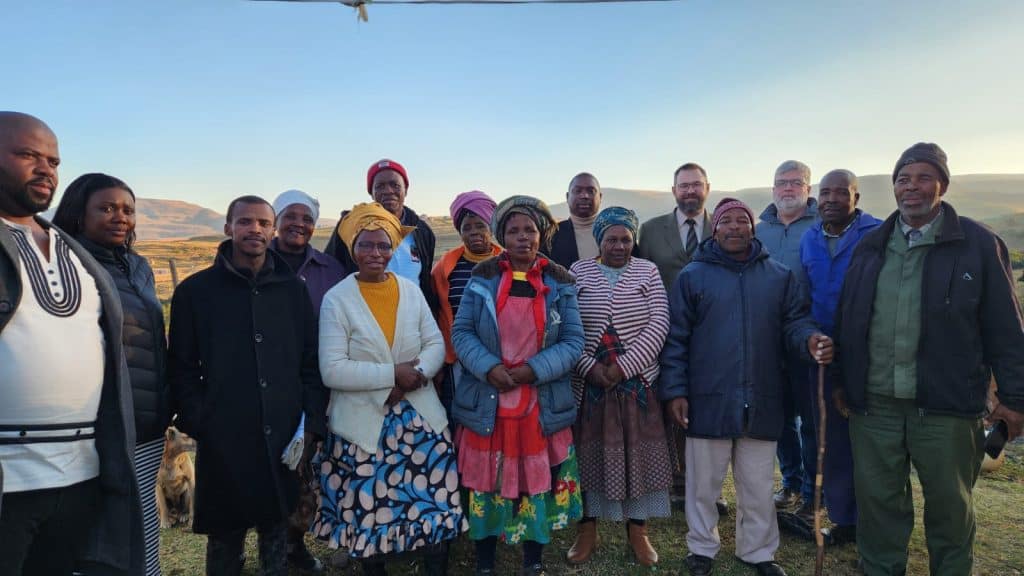
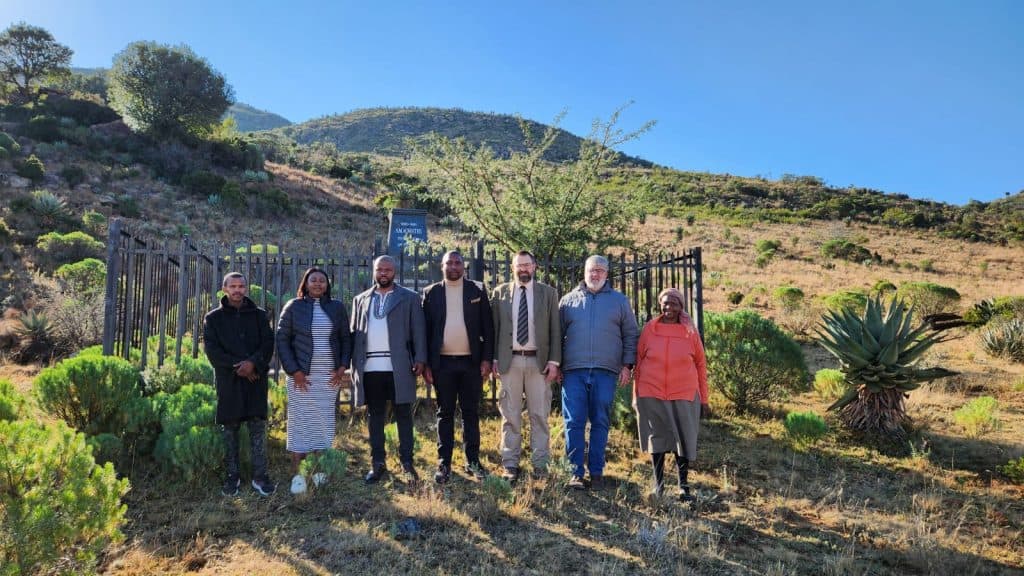
In July, AfriForum, together with the Adopt-A-Village Rural Food Security Initiative, paid visits to Nkosi Zweloxolo Stokwe of the AmaQwathi cultural community and the Mtingwevu community to discuss possible mutual recognition and cooperation.
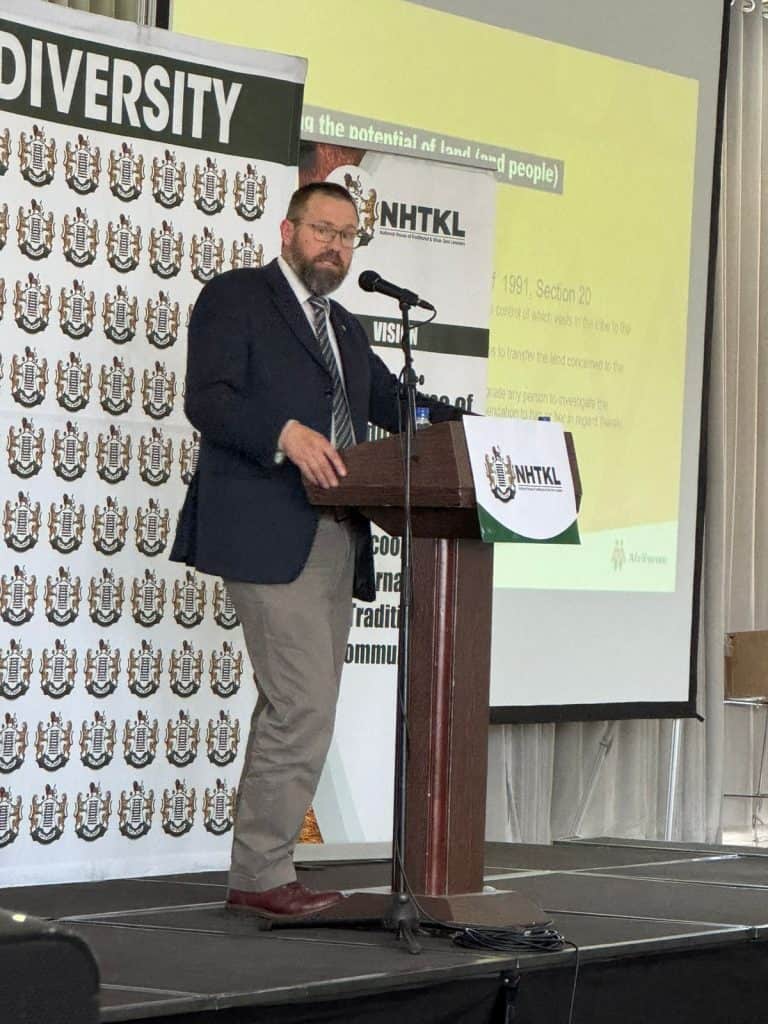
In August, AfriForum attended the mid-term review (IMbizo) of the National House of Traditional and Khoi-San Leaders and delivered a presentation that focused on peaceful coexistence, unlocking the potential of land and people, reflection on land restitution, communal property associations, water, and cooperation for mutual benefit.
AfriForum congratulated His Majesty King Misuzulu on the success of the annual Royal Reed Dance Celebration that was held at eMashobeni Royal Palace south of Pongola in KwaZulu-Natal on 13-14 September. It was a very historic celebration and confirmed the positive momentum of a new era of the Zulu Kingdom as it was the first time that the event was held at His Majesty’s eMashobeni Palace and a lot of work was done in a short time to make a successful event possible. AfriForum was also privileged to attend the celebrations as guests of King Misuzulu.
At the end of September, by invitation of Kgosi Mogakolodi Masibi, AfriForum attended the Ngwao Moswa Cultural and Heritage Festival of the Batlharo Boo Tokwana Ba Ga Masibi of Disaneng, near Mahikeng in the North West, and delivered a message of support.
In October, AfriForum attended the Mahumani Multi-Cultural and Heritage Celebration at Nkomo, near Giyani in Limpopo, on the invitation of Hosi Nkomo V Mahumani of the Mahumani cultural community.
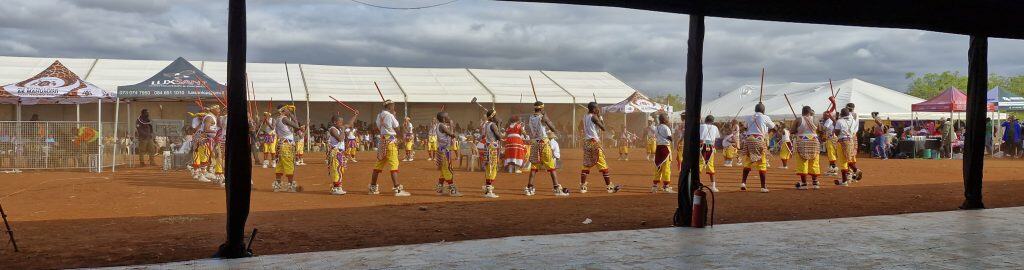
In October, AfriForum attended the AmaBhele AseLenge Inkciyo celebration in Mavuso, outside Alice in the Eastern Cape, and conveyed a message of support on behalf of the Cultural Communities Collaborative Initiative.
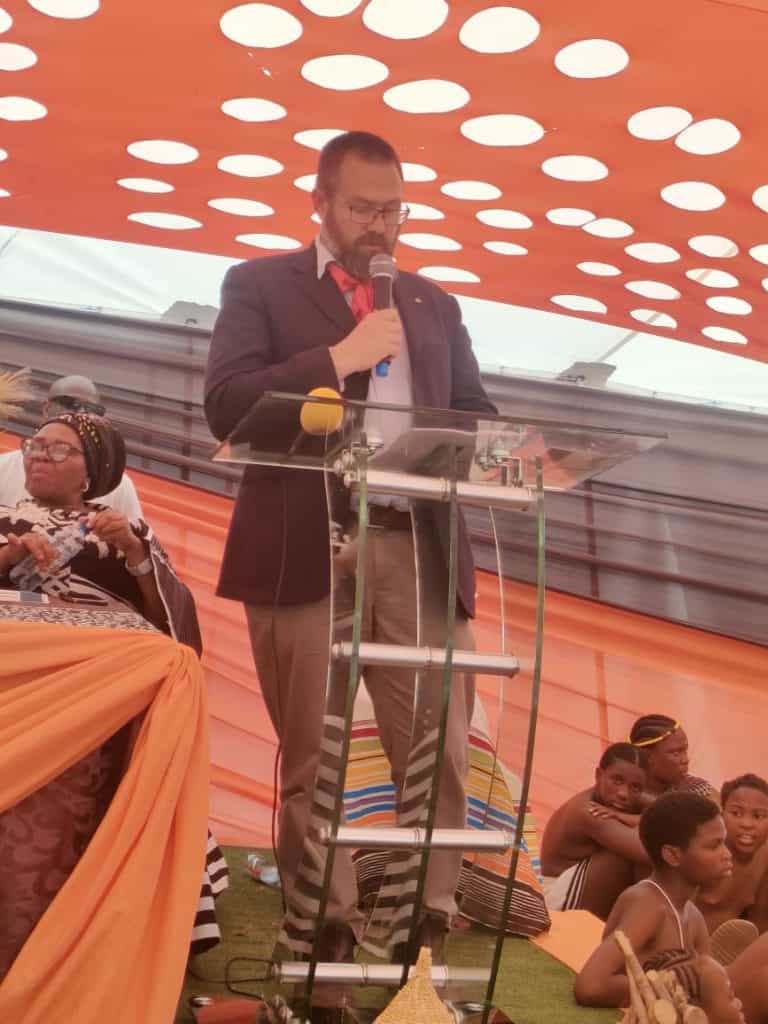
In October, AfriForum and Ms. Lebo Mosime of Thabake Business Enterprise hosted a group of international school pupils from the School for Ethics and Global Leadership (SEGL) on the farm Boekenhoutfontein near Phokeng in the North West. They engaged with the students about the realities of land ownership and property rights in South Africa, the challenges faced by emerging farmers, and what can be achieved through cooperation between cultural communities.
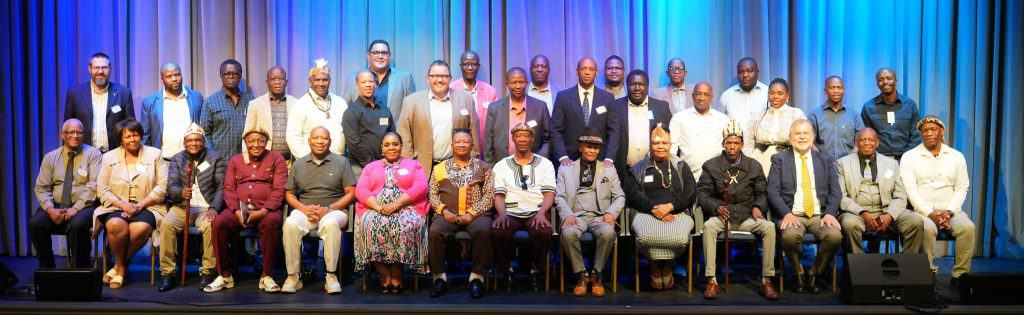
AfriForum participated in the meeting of leaders from diverse South African cultural communities held in October, during which the Cultural Communities Network (KGN) was formally established. The CCN is an intercultural collaborative initiative dedicated to ensuring a peaceful and prosperous future for the children of all cultural communities in the country. The CCN serves as a forum for cultural communities to engage meaningfully, in good faith and to collaborate on issues of mutual interest and concern. The CCN was established through the adoption of the Rules of Order of the meeting of the CCN by 38 delegates from 26 different cultural communities from across all provinces that attended the formalisation meeting in Pretoria. Discussions at this first in-person meeting of the CCN centred on two main themes: the full realisation of cultural rights and socio-economic development.
In November, AfriForum attended the Lenaka Memorial Lecture hosted by the National House of Traditional and Khoi-San Leaders and delivered a message of support during the event.
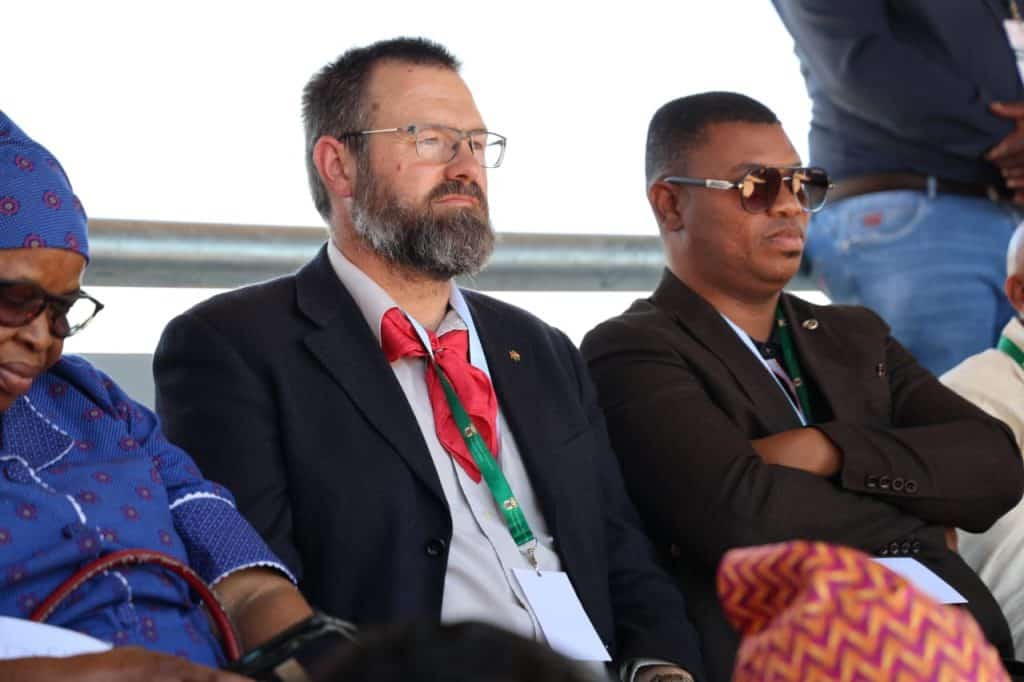
In November, AfriForum attended a discussion among Afrikaans speakers that had been arranged by Cape Forum.
AfriForum support in time of need
AfriForum made an urgent appeal to Dean Macpherson, Minister of Public Works and Infrastructure, to investigate the collapse of part of the office complex of the Traditional Council of the Batlharo Boo Tokwana Ba Ga Masibi traditional community of Disaneng, in the vicinity of Mahikeng, North West in March. The office partially collapsed on Wednesday, 29 January, at 18:30 – only a few hours after the last people had left the building.

AfriForum defends cultural rights
In February, AfriForum submitted written comments on the Traditional and Khoi-San Leadership Bill, and in March appealed to Minister Velenkosini Hlabisa of Cooperative Governance and Traditional Affairs to act in the interest of cultural communities and affect important changes to the bill. AfriForum argued that, in its current form, the legislation contravenes the United Nations Declaration on the Rights of Indigenous Peoples (UNDRIP). AfriForum further emphasised that the bill must be changed to reflect respect towards and consider the dignity of royal leaders, families and communities, and to empower them to lead the journey towards the destiny they want to shape for themselves.
AfriForum sent a letter to the Premier of KwaZulu-Natal, Thami Ntuli, in May urging him to take urgent steps to prevent the further illegal, unlawful and unfair actions against izinduna (headmen) and to urgently investigate the unlawful actions taken against traditional leaders in the province. This follows requests for support that AfriForum received from traditional leaders and community members relating to the purported actions that the provincial Department of Cooperative Governance and Traditional Affairs has taken against local traditional leaders with the aim of dismissing them from their positions.
In May, AfriForum called on parliament to adhere to the Constitutional Court’s timelines for amending legislation or rectifying legislative processes deemed unconstitutional or invalid. This followed the court’s eleventh-hour order on 29 May, which extended the period for constitutionally adopting the Traditional and Khoi-San Leadership Act, 3 of 2019, or a new act, by two years until 29 May 2027. 29 May was the set date ordered by the Constitutional Court for the adoption of the act.
AfriForum, submitted its written representation against Mzwanele Manyi’s 22nd Amendment Bill to the Constitution – which aims to abolish private land ownership in the country and make the state the custodian of all the land and natural resources by amending Section 25 of the Constitution, in August. AfriForum indicated that the Bill is an attack on private land ownership and all cultural and other communities that are working towards self-sufficiency, cultural autonomy and internal self-determination in accordance with international law. AfriForum emphasised that the proposed amendments will be in contravention of the International Covenant on Civil and Political Rights, as well as of Articles 3, 14, 19, 20, 21 and 28 of the African Charter on Human and Peoples Rights and called on all cultural communities and their leaders to urgently make use of Section 20 of the Upgrading of Land Tenure Rights Act 112 of 1991 to secure title deeds of the land they control. AfriForum further emphasised that the amendments will make customary cultural communities and the royal leaders that serve them as leaders, permanent tenants on their own land and prevent them from legally owning their land and exercising full, unhindered control of it. It will prevent the full restoration of the dignity, healthy cultural self-image and self-esteem of cultural communities and their royal leaders, as they will be permanently defined as people who are considered “unfit” to own and fully control their land. AfriForum also warned that it will further weaken the authority and influence of royal leaders, customary leadership structures and other community-based institutions, while also diminishing cultural autonomy and cultural rights in general. This change will enable continued and increasing dominance of government officials over the development, management and governance of land and property of cultural communities and the areas where they reside.