Illegal mining in Pilgrim’s Rest: AfriForum calls for interdepartmental intervention
AfriForum has today called on the South African Police Service (SAPS) and three government departments to urgently address the large-scale illegal mining activities in and around Pilgrim’s Rest in a coordinated manner. The civil rights organisation addressed this appeal to the SAPS and the departments of Mineral Resources and Energy (DMRE), Forestry, Fisheries and the Environment (DFFE) and Water and Sanitation (DWS).
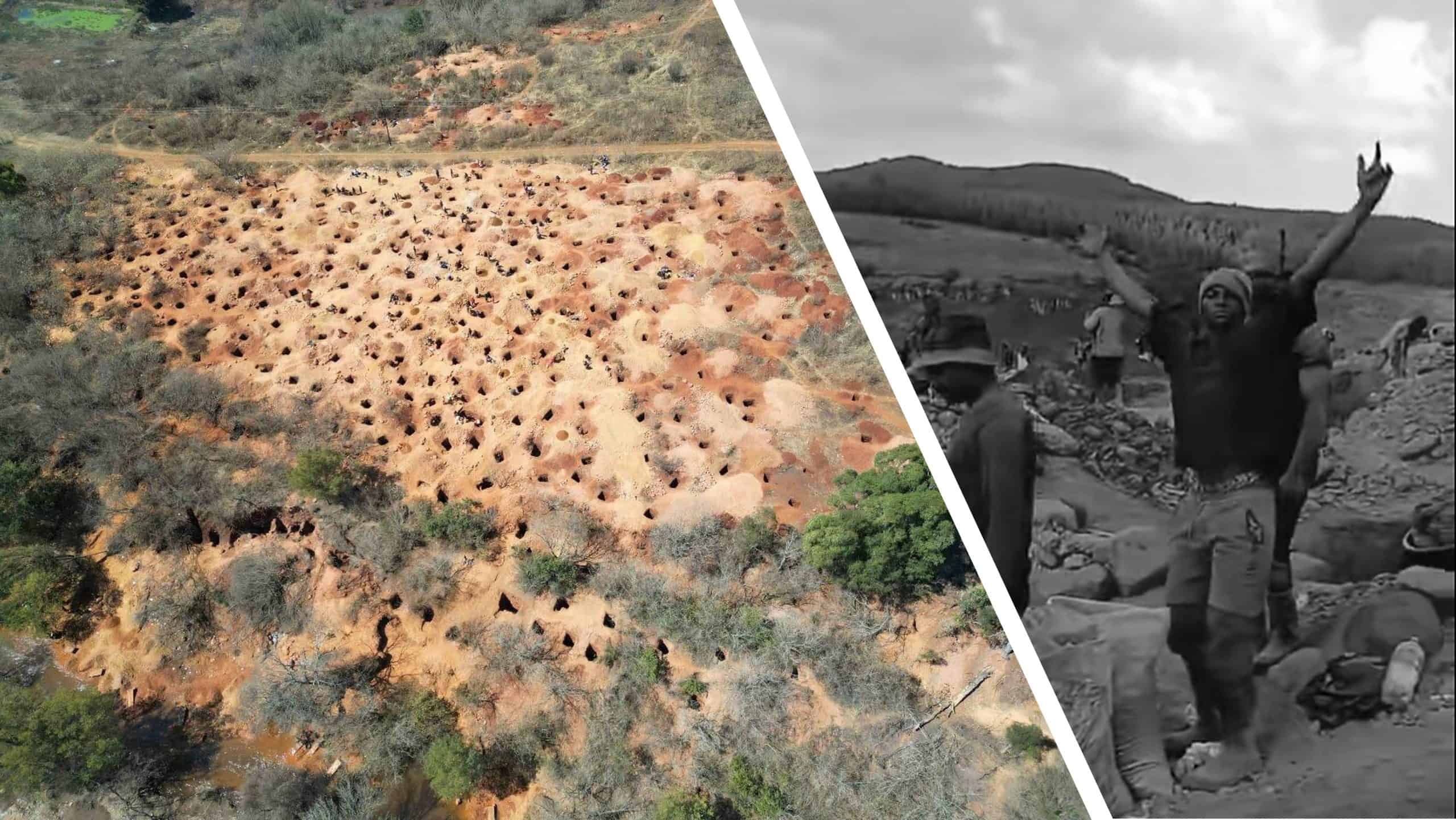
Illegal mining syndicates (commonly referred to as zama-zamas) are openly operating in the area, including along public roads and within environmentally sensitive zones. These activities, among other things, are causing extensive environmental degradation and contamination of water resources and pose growing risks to community safety and surrounding ecosystems.
AfriForum has called on the relevant departments to implement an urgent, interdepartmental action plan that includes sustained law enforcement operations, immediate water quality assessments, environmental remediation measures and clear regulatory oversight.
“Illegal mining in the Pilgrim’s Rest area is no longer a hidden or isolated issue. It has now become a deep-rooted problem due to weak law enforcement and a lack of coordinated intervention,” says Lambert de Klerk, Environmental Affairs Manager at AfriForum.
According to AfriForum, the continuation of illegal activities is in contravention of several pieces of legislation, including the Mineral and Petroleum Resources Development Act, the National Environmental Management Act, the National Water Act and the National Forests Act. Despite this legal framework, enforcement thereof remains inconsistent and inadequate.
The pollution of watercourses associated with illegal mining activities is of particular concern and threatens the integrity of water systems that flow downstream from the Pilgrim’s Rest area. Moreover, these water systems ultimately form part of broader river networks that are of critical importance to agriculture, communities and ecologically sensitive areas, including the Kruger National Park.
“Water pollution is not just a local problem,” De Klerk explains. “What is happening in the Pilgrim’s Rest area today has the potential to create far-reaching environmental consequences downstream. If contamination continues unchecked, it could also affect ecosystems beyond the immediate area and have serious implications for biodiversity, tourism and water security.”
In addition to water pollution, illegal mining in the area has already resulted in deforestation, soil erosion, destruction of natural landscapes and an increase in associated crimes, such as poaching and illegal harvesting of flora. These aspects undermine conservation efforts and place long-term economic activities, such as tourism in particular, at risk.
“The continued failure to act decisively sends a dangerous message that organised criminal activities can continue openly and without consequence,” De Klerk adds. “Communities and the environment are left to pay the price, while the rule of law is steadily eroded.”
AfriForum warns that if the current situation persists, environmental damage – particularly to water systems – could soon reach a point where rehabilitation is no longer feasible.
“South Africa cannot afford to allow short-term, illegal activities to compromise its natural heritage and critical water resources,” says De Klerk. “Decisive action is required now to prevent irreversible harm.”
(Cover image: Brian Morris – Facebook)