Community breathes new life into Upington’s historic railway bridge
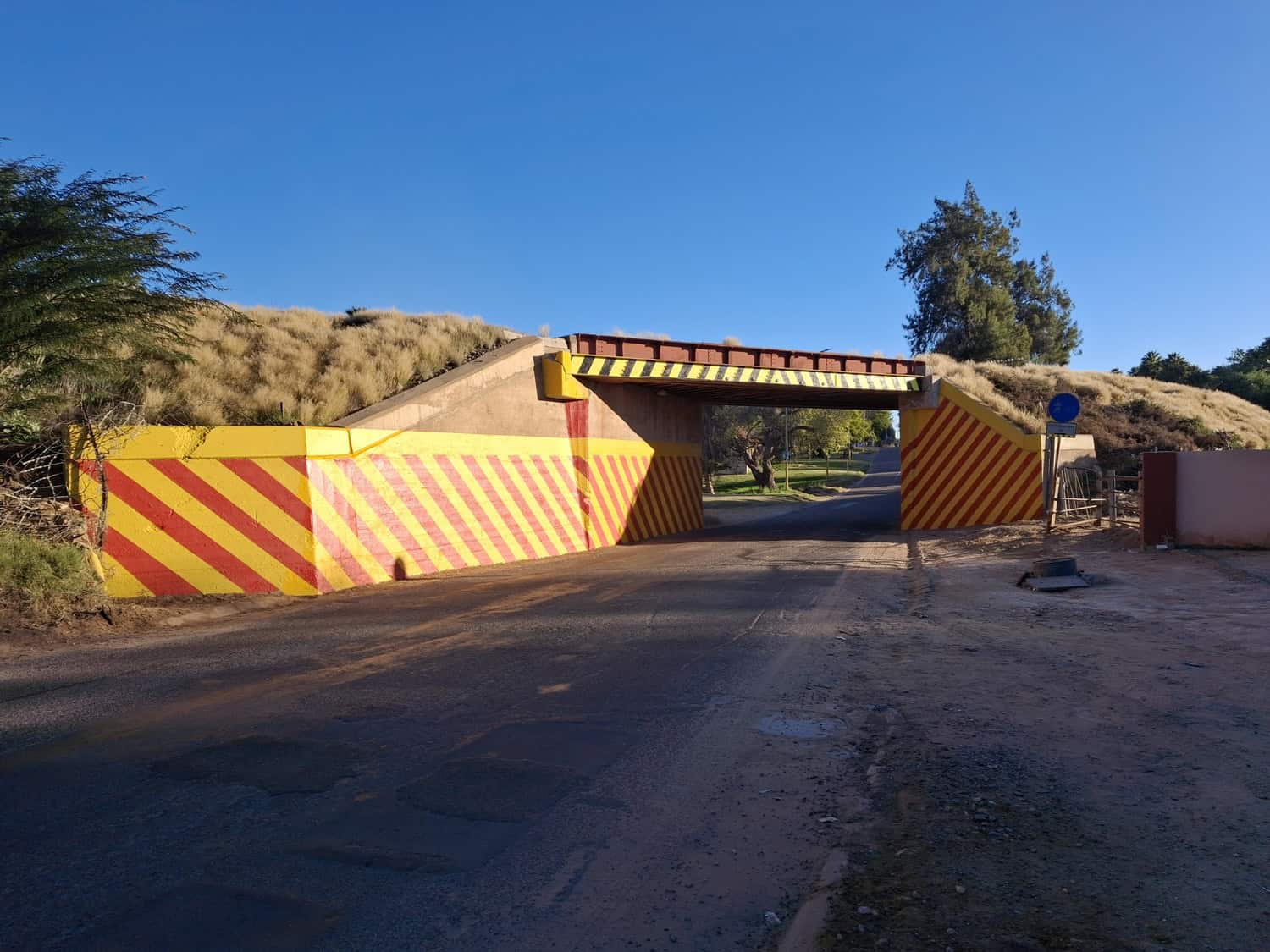
After nine days of hard work, the historic railway bridge in Schröder Street is once again a clearly visible landmark in the town, after AfriForum’s Upington branch, Sheriff Security Upington, Oranje Mica Upington and Walker Midas Upington joined forces to repaint the bridge.
The project ran from 25 June to 3 July and required dozens of volunteers, workers and painters to use their time and expertise to make the bridge clearly visible again. A total of 70 litres of paint, including yellow and red paint, was used to repaint the bridge’s distinctive stripes. The paint provides a durable finish that can withstand the elements.
The project also involved clearing the area alongside the bridge using a tractor and a road grader. Accumulated soil and debris were removed, while two large skips were used to remove household waste and other litter that had accumulated over a long period. This part of the project helps to improve the area’s safety and accessibility.
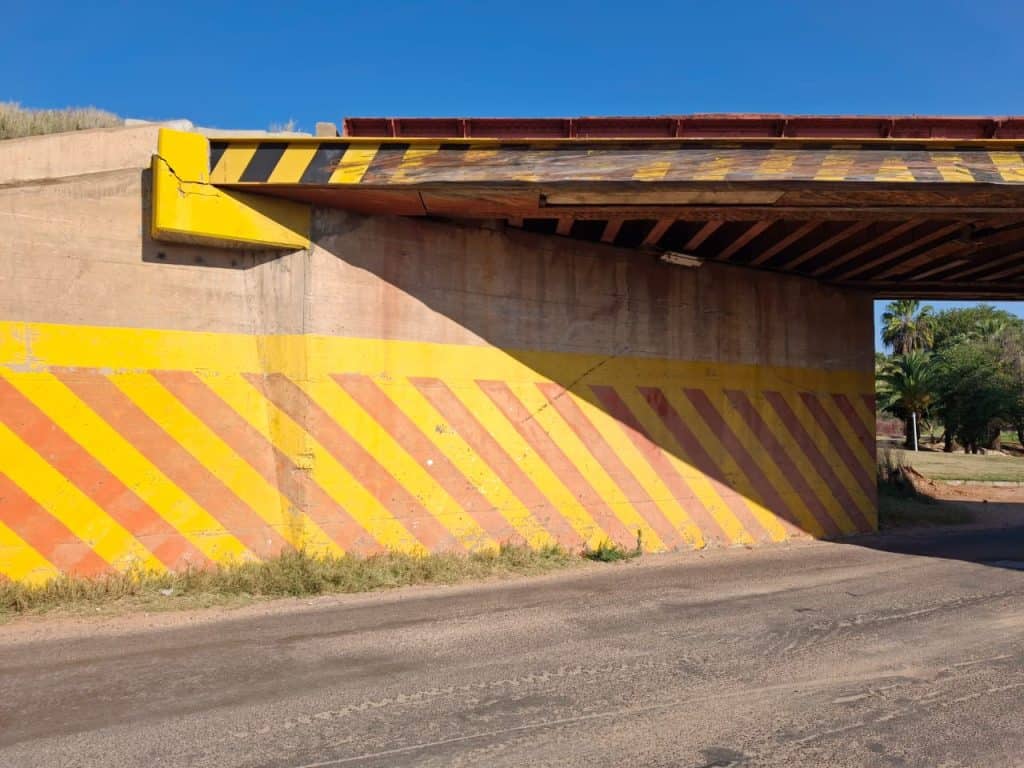
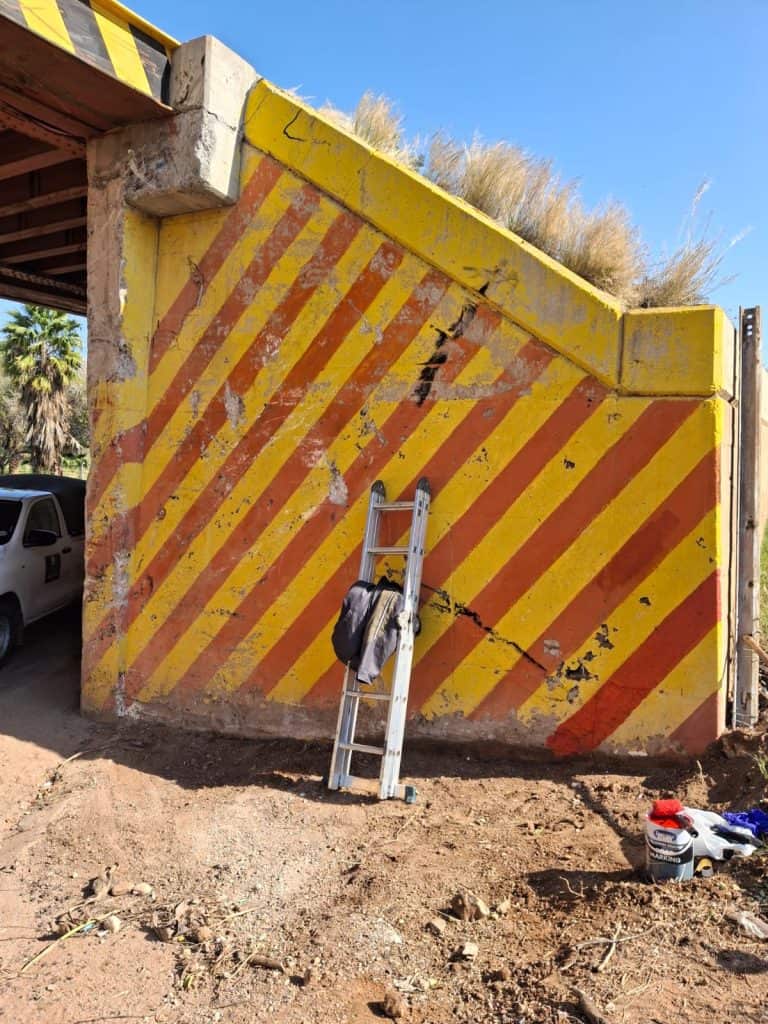
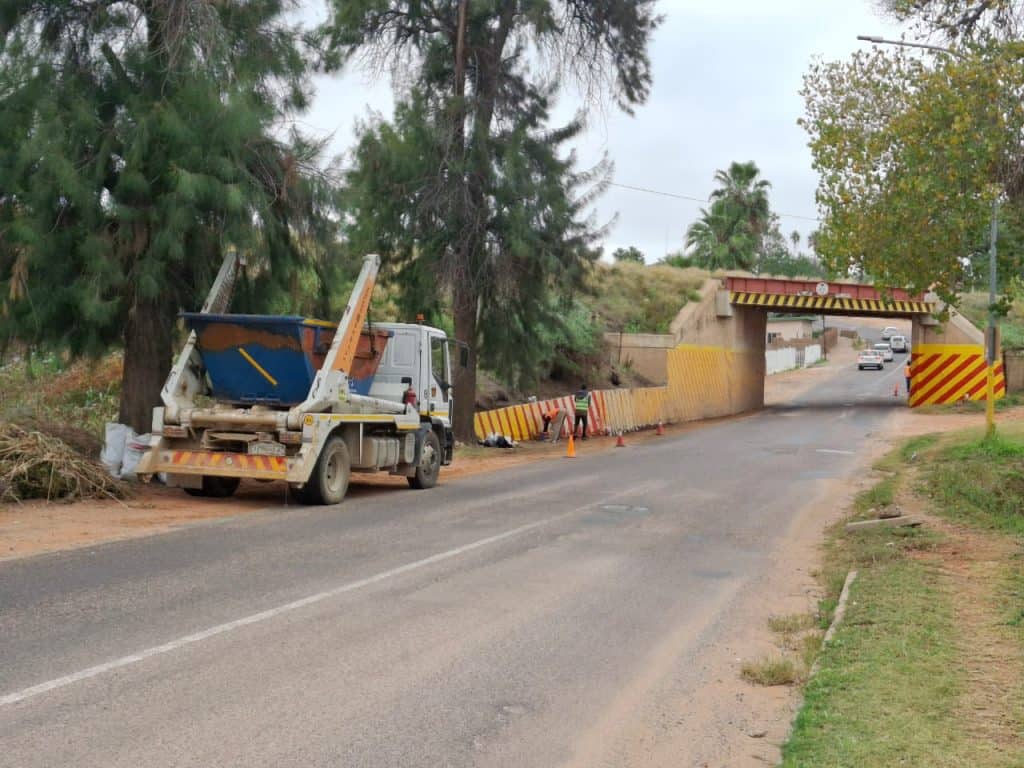
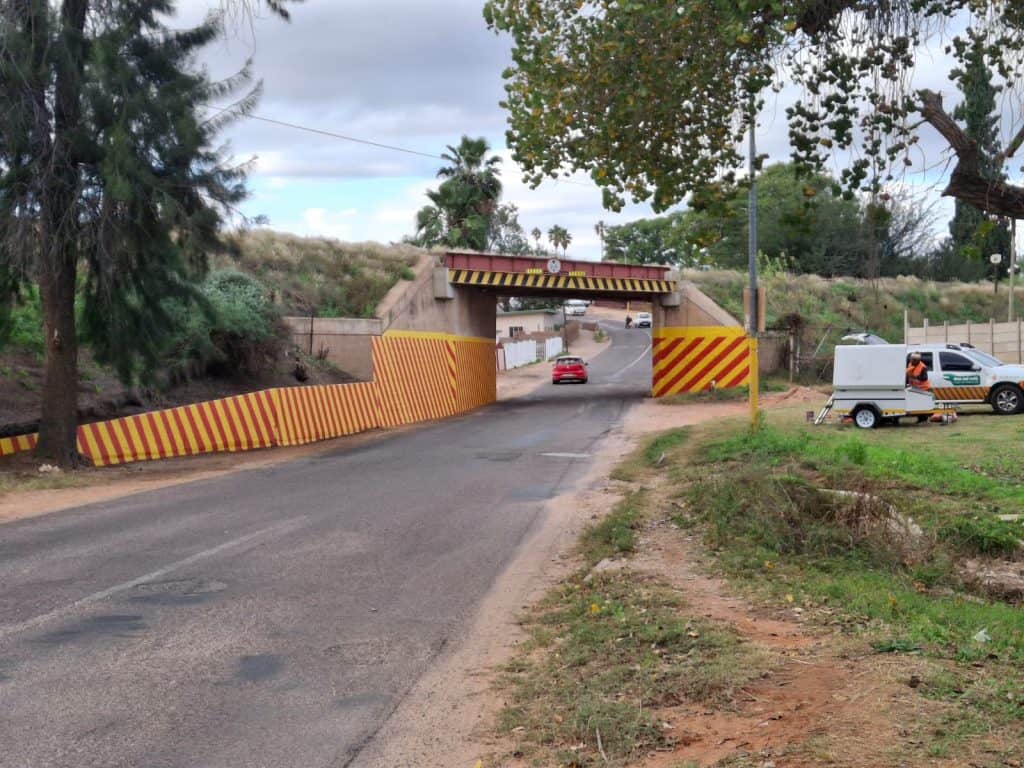
The railway bridge, which was built in 1915, is one of Upington’s best-known historic landmarks and continues to play a vital role in the railway network more than a century later. However, the low-lying bridge is notorious for collisions involving trucks, resulting in frequent damage to the bridge, high repair costs and traffic disruptions.
According to Werner Strauss, AfriForum’s District Coordinator for the Northern Cape, the fresh coat of paint improves visibility, making road users more aware of the height restriction. This further reduces the likelihood of frequent vehicle accidents.
“Despite opposition from the local municipality, this project was successfully completed. AfriForum would like to thank everyone involved, including every volunteer, worker, donor and supporter who helped ensure that this refurbishment project was completed,” says Strauss.
“The project serves as an example of what is possible when organisations, businesses and community members work together to improve public spaces. Together, we can preserve Upington’s history for future generations.”