AfriForum landfill audit: Slight improvement cannot mask widespread municipal failures
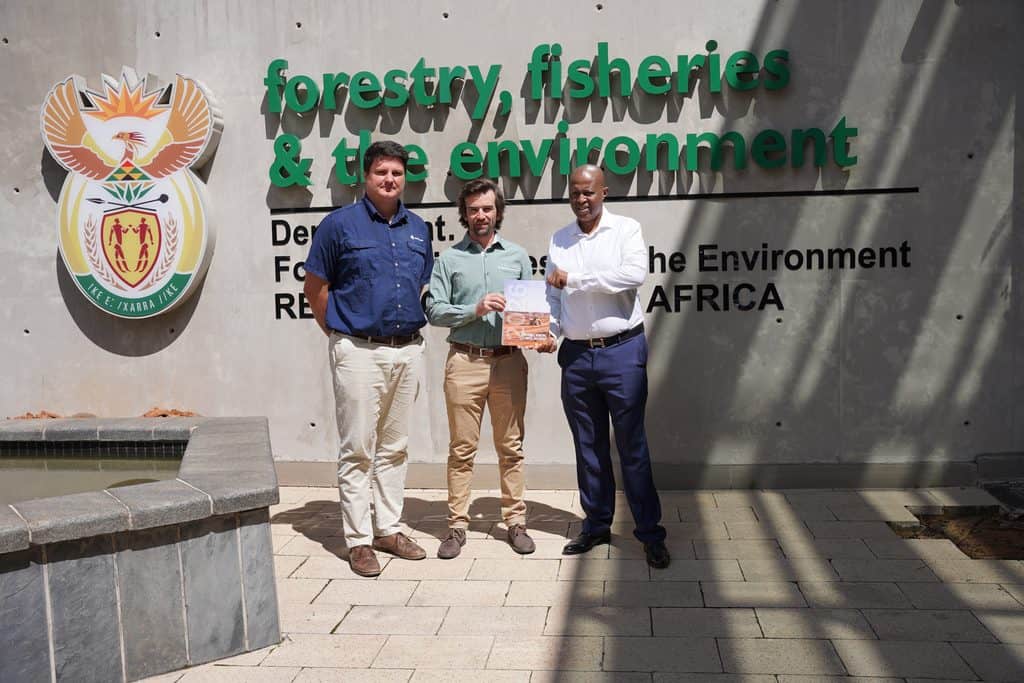
AfriForum’s 2026 Municipal Landfill Site Audit Report shows a slight improvement in landfill management at a national level, yet 77% of the sites audited still fail to meet the minimum threshold for responsible waste management. The report was handed over yesterday (1 October 2026) to the Department of Forestry, Fisheries and the Environment (DFFE) in Pretoria.
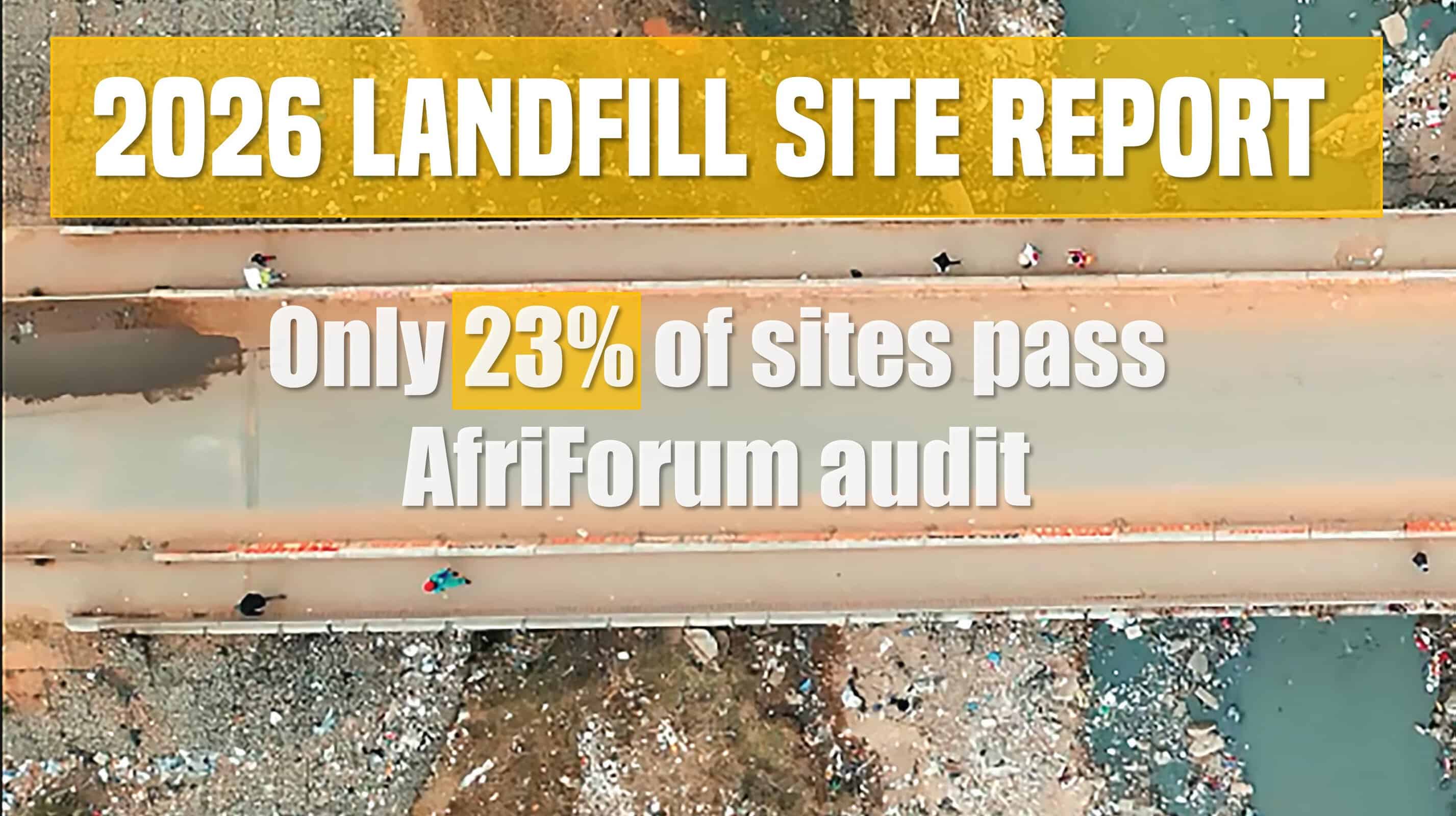
AfriForum audited 132 landfill sites and waste transfer facilities across all nine provinces during the first quarter of 2026. Only 30 sites, or 23%, met at least 80% of the audit requirements and passed the audit. This represents a slight improvement on the 22% pass rate recorded in 2025 and marks the highest national pass rate since 2022. The national average compliance score also improved from 42% in 2025 to 47% in 2026.
The results nevertheless show that improvement remains limited and does not yet indicate a substantial improvement in the state of municipal landfill management. More than three-quarters of the audited sites still showed shortcomings in operational management, infrastructure or compliance with basic requirements. Moreover, these problems occur across the entire country.
The Western Cape was the strongest-performing province in 2026. Fourteen of the 26 sites audited in the province passed the audit, representing a pass rate of 54%, while its average compliance score remained at 66%. It was the only province where more than half of the audited sites passed the audit.
KwaZulu-Natal, Limpopo and North West recorded significant improvements, while Mpumalanga continued its gradual upward trend.
Gauteng, however, recorded a significant setback. Its average compliance score fell from 84% in 2025 to 64% in 2026, while its pass rate declined from 56% to 23%.
The Northern Cape and Free State remained the weakest-performing provinces, with average compliance scores of only 14% and 19%, respectively. All six Northern Cape sites failed the audit, while only one Free State site passed.
The audit also identified serious gaps in basic information needed to manage landfill capacity. At least 53 sites had no readily ascertainable information about their remaining lifespan, while in at least 65 cases participants could not determine when the site’s remaining capacity had last been surveyed. According to AfriForum, the lack of information hampers municipalities’ ability to plan for future waste-disposal needs before existing landfill capacity is exhausted.
Determining capacity is becoming increasingly important as South Africa generates more waste while diverting less of it from landfill. According to the DFFE’s 2026 Draft National Waste Management Strategy, the country generates approximately 122 million tonnes of waste annually, of which only about 10% is diverted from landfills. In 2018, approximately 107 million tonnes of waste were generated, and about 35% of that was diverted. South Africa is therefore generating more waste while sending a greater proportion of it to landfill sites.
According to Marais de Vaal, AfriForum’s Advisor for Environmental Affairs, the country cannot afford to be satisfied with a pass rate of only 23% simply because it represents a slight improvement. “The results indicate that responsible landfill management is achievable; however, basic management, maintenance and planning are still failing at too many municipal sites. As more waste is generated and less of it is diverted, the margin for poor landfill management is becoming smaller,” he explains.
AfriForum welcomes the opportunity to present the report to the DFFE and will continue to engage with the government on the role that civil society can play in monitoring waste management and promoting accountability.
“We are positive about the fact that the department received us and about continuing this engagement. Civil society has an important watchdog role to play in promoting accountability in local government’s management not only of landfill sites, but also of the broader waste value chain. Our aim with this project is not simply to identify failures but to make reliable information available, recognise where management meets the required standards and help drive practical improvements where this is not the case,” says De Vaal.
AfriForum will continue its annual monitoring of municipal landfill sites and its engagement with authorities, industry stakeholders and communities on practical solutions to the country’s waste-management challenges. The organisation also encourages communities to become actively involved in responsible waste management, recycling and local initiatives that reduce the amount of waste sent to landfill.