AfriForum continues process to challenge Johannesburg Metro’s controversial water levy
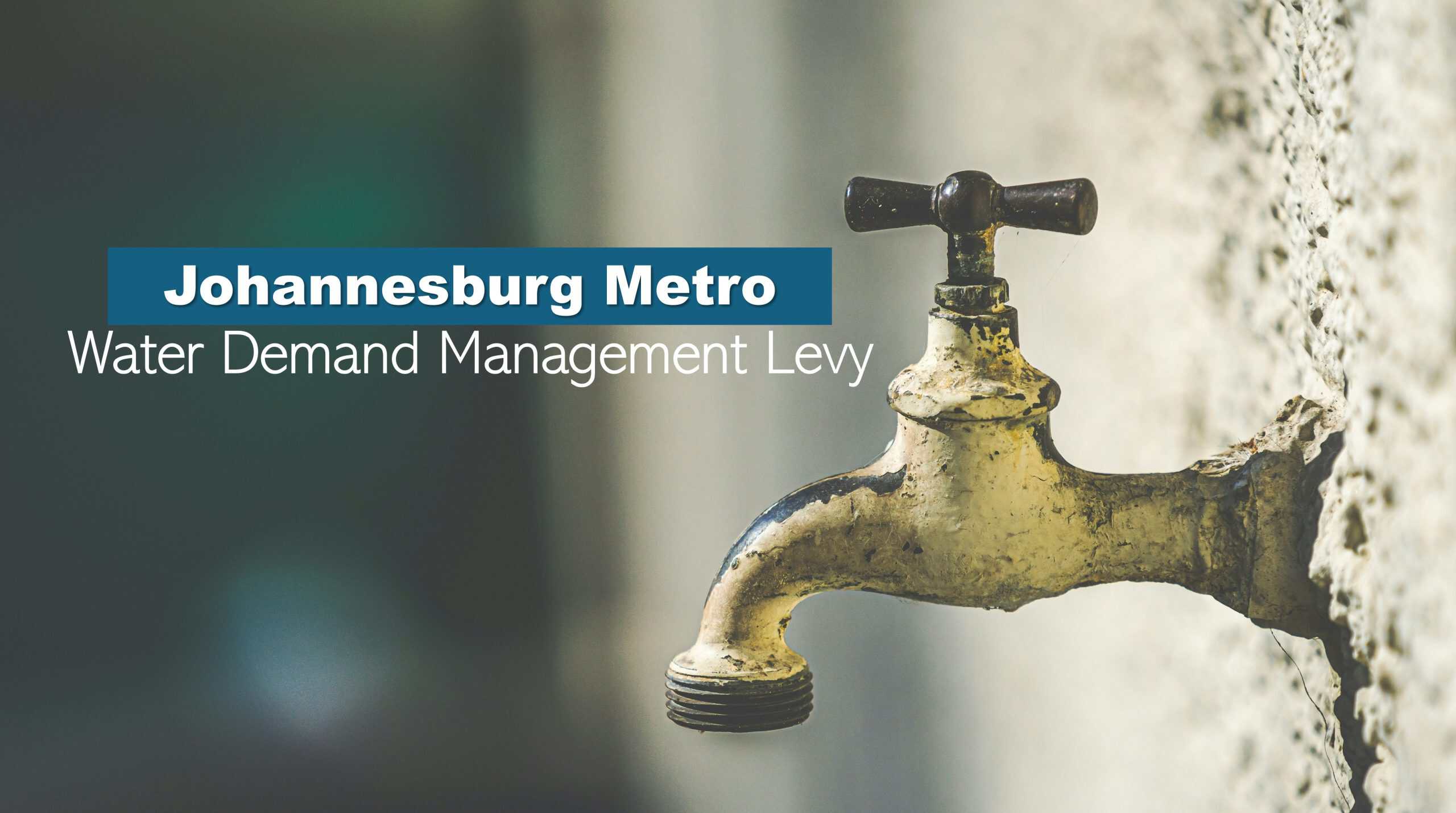
Although the 65,6% increase in the Johannesburg Metropolitan Municipality’s controversial water demand management levy came into effect today, AfriForum is still taking steps to ensure that its implementation is halted. This follows after the High Court in Johannesburg last week dismissed AfriForum’s urgent application to review and set aside the Metro’s decision of 27 May to adopt the levy as part of its 2026/2027 budget.
The court found that residents of the Johannesburg Metro would not suffer irreparable harm if the application proceeded as usual, rather than on an urgent basis. However, the merits of AfriForum’s application must still be considered to determine whether the levy is lawful; this is expected in November.
According to Marais de Vaal, AfriForum’s Environmental Affairs Advisor, residents of the Johannesburg Metro will now have to pay for this levy, which AfriForum contends is unlawful. By the time the case is heard in the normal course, the Metro will have lined its pockets with an estimated R750 million from the collection of this levy.
“Once that revenue has been collected and landed in the Metro’s general purse, undoing the consequences becomes increasingly difficult,” warns De Vaal.
The organisation has therefore instructed its legal team to ensure that all necessary court documents are now filed. Thereafter, a formal request for special leave to hear the application at an earlier date can be submitted to Lebogang Modiba, the Acting Deputy Judge President of the Gauteng High Court.
AfriForum believes that lower-income households that do not qualify for the Metro’s assistance programme for the underprivileged will be hit hardest by the implementation of this levy. Households in the Johannesburg Metro will, regardless of the amount of water used, have to pay a fixed monthly levy of R107,74 (excluding VAT) from today. The levy comes in addition to the other municipal levies that have been increased above inflation and will put even more pressure on already strained household budgets.
The proposed increase in the levy was identified in the Metro’s draft budget earlier this year. AfriForum raised its concerns about the levy during the public participation process in May. The organisation repeatedly requested information on how the proposed 65,6% increase had been calculated and why its implementation was deemed necessary. The organisation argues that the Metro’s failure to provide information has made it impossible for the public to determine whether such a significant increase is rationally justifiable.
In addition to the Metro’s obstruction of the public participation process, the levy is also, according to AfriForum, in contradiction to various legal requirements. Therefore, it remains in the public interest to obtain a conclusive ruling on the legality of the levy.
“We respect the court’s decision, but the reality remains that residents of the Johannesburg Metro are now paying a levy whose legality has not yet been determined. Every month that passes, the Metro collects more revenue through a levy that may ultimately be declared unlawful. Therefore, we believe this matter should be heard as soon as reasonably possible,” says De Vaal.
“Although we did not succeed in obtaining urgent relief, this matter is far from over. We remain committed to ensuring accountability, transparent governance and lawful decision-making. Residents of the Johannesburg Metro deserve clear answers about how this enormous increase was calculated, why it is necessary, and whether it complies with the law,” concludes De Vaal.