Hourglass for two Johannesburg landfill sites now empty – AfriForum has warned about it
A week after AfriForum released its documentary Gauteng’s landfill time bomb, the crisis the organisation warned about is no longer looming: in Johannesburg, the “landfill time bomb” has detonated.
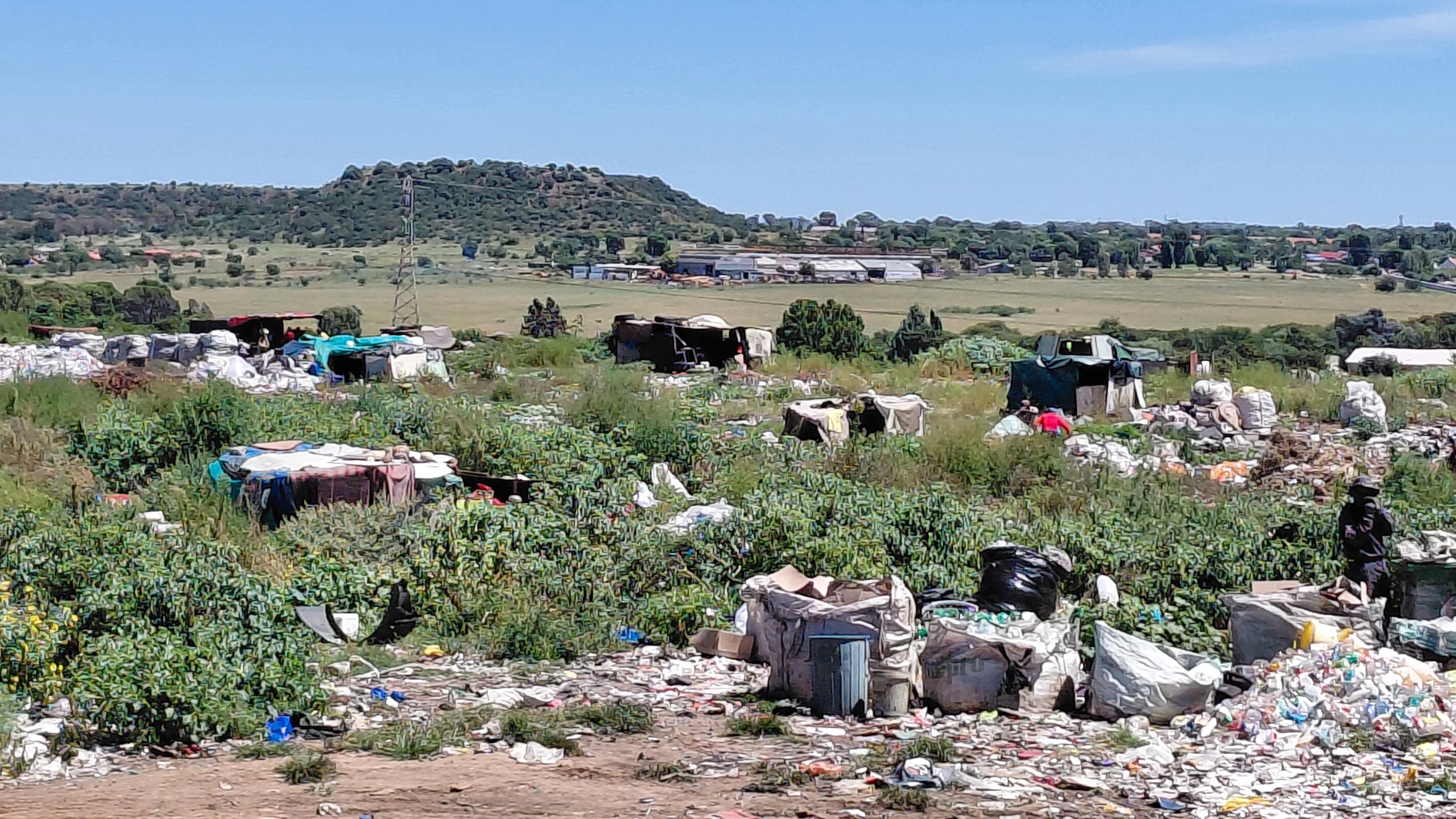
Only two of the city’s four major landfill sites are currently accepting residential waste, resulting in widespread refuse collection delays, with residents facing the consequences of litter piling up on sidewalks.
According to a report in The Citizen, the Ennerdale and Marie Louise landfills are no longer accepting general waste, leaving only Goudkoppies and Robinson Deep fully operational. Trucks from northern depots must now dispose of waste in the south, causing congestion, long turnaround times and incomplete collection rounds.
This development is not unexpected. In May 2025, AfriForum voiced its concern based on the Johannesburg Metropolitan Municipality’s own presentation to parliament, where it disclosed that the average remaining lifespan of its landfill sites was about two years. The projected closure dates were clear: Marie Louise by April 2025, Ennerdale by July 2026, Robinson Deep by November 2026 and Goudkoppies by March 2028. The warning signs were in the Metro’s own figures.
AfriForum’s documentary highlighted this trajectory. The Metro and Pikitup were invited to participate in the documentary but declined. Instead of engaging publicly on the structural constraints facing the Metro, residents are now confronted with the visible breakdown of yet another basic municipal service.
In its comments on the Draft National Waste Management Strategy 2026, AfriForum cautioned that plans on paper will not avert a crisis. While the Metro has outlined proposals to extend landfill lifespans and develop alternative facilities, time has overtaken these commitments. What is required is transparent reporting on landfill airspace, competent management, financial discipline and measurable implementation of interventions. Actions – not plans – keep waste from accumulating in the streets.
“The Metro had clear visibility of the remaining lifespan of its landfill sites. When that information was presented to parliament last year, it should have prompted urgent action. Instead, refuse collection is now disrupted because disposal capacity has not kept pace. This is not a sudden emergency, but the result of years of management failure,” says Marais de Vaal, AfriForum’s Advisor for Environmental Affairs.
Johannesburg is already burdened by regular water and electricity disruptions, deteriorating roads and urban decay in the CBD. Waste management failures now add to a pattern of collapsing basic services that undermine residents’ health and dignity.
AfriForum will continue to push for accountability, transparent reporting on landfill capacity and intervention progress, and greater private sector involvement in waste management – which is urgently needed. Johannesburg’s residents deserve a Metro that can fulfil its most basic constitutional responsibilities.