AfriForum calls on public to fight fracking before the hourglass finally runs out
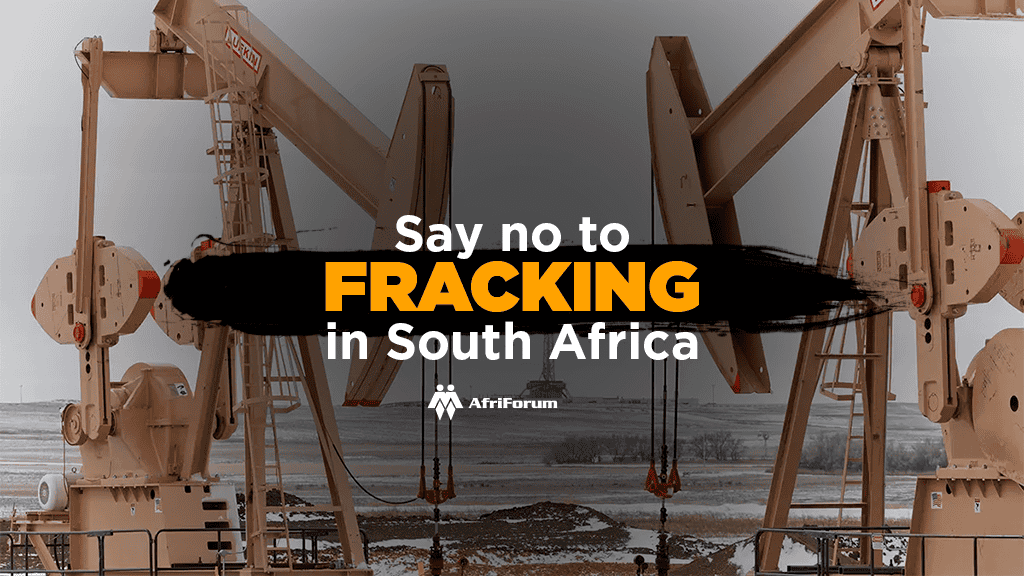
AfriForum warns that if the government gives the green light to fracking, communities will pay the price. The civil rights organisation therefore encourages the public to oppose the lifting of a moratorium on fracking due to the serious risks that this practice poses to the country’s already scarce water resources.
The appeal follows in response to the proposed regulations published by the Department of Forestry, Fisheries and the Environment in November last year. If these draft regulations are accepted, it will finally nullify the moratorium that was – after public pressure – originally imposed on fracking in 2011, and, after a brief lifting in 2012, re-imposed in 2014. The public still has until 13 February to submit comments on the regulations and prevent fracking.
AfriForum warns that fracking, a method by which natural gas is extracted, poses an unacceptable risk for a country that is already extremely water scarce and is currently ranked 22nd in the World Resources Institute (WRI) world water stress ranking. This ranking indicates the extent to which countries are experiencing water scarcity and pressure on water resources. South Africa’s water stress is more or less the same as Namibia (21st) and Iraq (23rd) – both desert or semi-desert countries.
Fracking is a process by which chemicals are pumped into shale rocks at extremely high pressure to fracture the rock and thereby release and extract methane gas contained within. The process requires considerable volumes of water and carries the risk of causing serious groundwater and surface water pollution. Contamination of water sources often results in irreversible damage, directly impacting communities, agriculture, and the environment.
According to AfriForum, the government is making exaggerated promises and claiming that fracking will lead to significant economic growth and job creation. However, the civil rights organisation maintains that the negative consequences of water loss and pollution far outweigh their potential economic benefits. Moreover, the draft regulations assume that the government will ensure safe and responsible fracking – an assumption that, given the repeated failures in the mining and industrial sectors, appears to be unrealistic.
“Decisions taken now will determine whether South Africa protects its scarce water resources or exposes them to permanent damage,” says Marais de Vaal, AfriForum’s Environmental Affairs Advisor. “Fracking is being presented as a quick economic fix, but when regulation fails, it is communities that lose access to water, livelihoods and food security. When this occurs, neither the government nor private companies will come to their rescue.”
Take a stand against fracking today
AfriForum calls on the public to take a stand against fracking in the following ways:
- Sign AfriForum’s petition against the approval of the regulations before 13 February here.
- Stay informed and click here for AfriForum’s new short video on the dangers of fracking.
- Submit written comments on the proposed regulations before the deadline (13 February). Send comments by email to smoganetsi@dffe.gov.za.