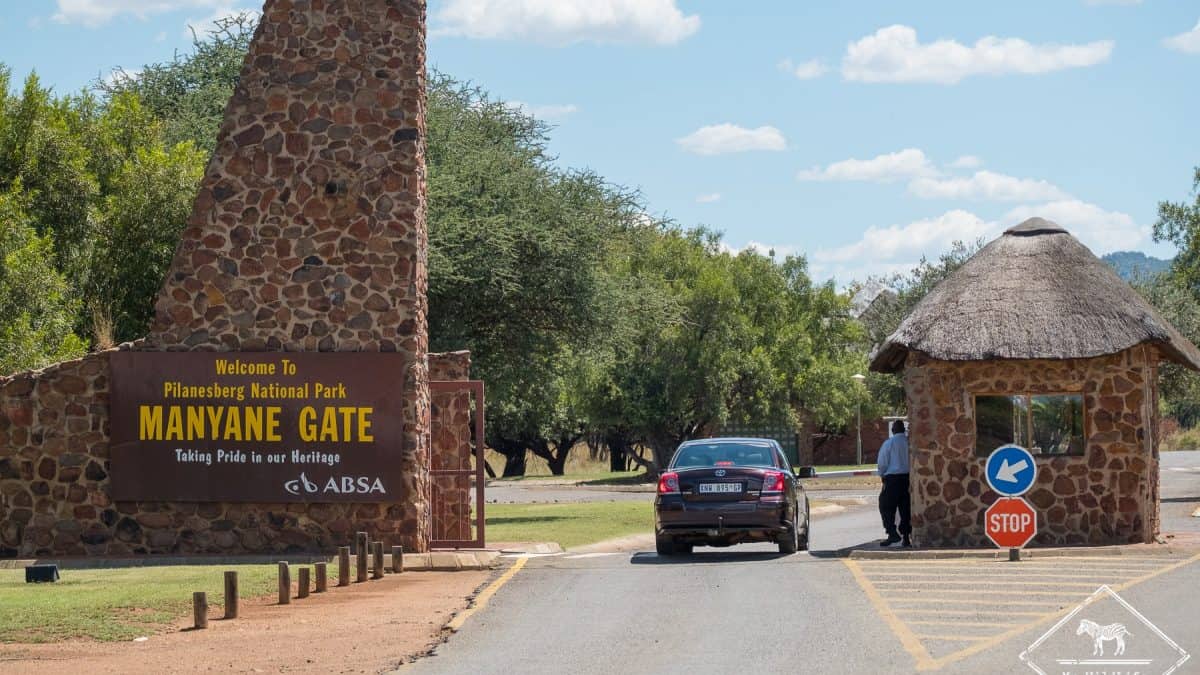
Are visitors being ‘punished’ for Pilanesberg’s longstanding financial mismanagement, asks AfriForum
AfriForum requests answers from the North West government and the North West Parks and Tourism Board about the recent massive increases in the Pilanesberg National Park entrance fees. A visit to this park will now cost visitors much more than a visit to the Kruger National Park. The organisation is concerned that the public is now being asked to pay significantly more for access to a public park without sufficient transparency on how funds have been allocated, spent or reinvested over time. Therefore, AfriForum requests information about funding, expenditure and recent increases in entrance fees at Pilanesberg.
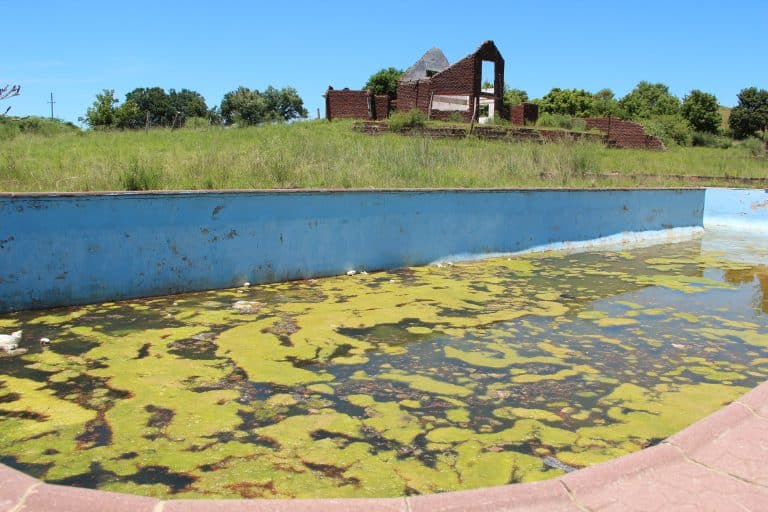
The North West Parks and Tourism Board recently admitted in the media that large parts of the park’s infrastructure have deteriorated significantly due to a lack of maintenance over the years. At the same time, entrance fees were drastically increased shortly before the December holidays and AfriForum believes that visitors to Pilanesberg cannot be held accountable for this neglect by paying more for entrance.
In a letter AfriForum sent to the North West government and the North West Parks and Tourism Board on 30 January, the organisation requests information regarding historical budget allocations and expenditure at Pilanesberg; income generated from entrance fees; the use of concession income; and the basis on which the recent tariff increases were approved.
“Our concern is not conservation itself – the wildlife at Pilanesberg appears healthy – but rather the management of this national park,” says Lambert de Klerk, AfriForum’s Manager for Environmental Affairs. “When a public institution admits that infrastructure has been neglected for decades, the appropriate response cannot simply be to leave the cost thereof to the public without clear accountability.”
AfriForum has approached the provincial government and parks board in the spirit of constructive engagement and transparency and has indicated that it would prefer voluntary disclosure of this information before resorting to formal access-to-information processes.
“Pilanesberg belongs to the people of the North West and South Africa as a whole. Access to public nature reserves should not become a mechanism to compensate for years of financial mismanagement or inadequate oversight,” concludes De Klerk.
AfriForum will consider further steps should the requested information not be forthcoming.