Devolution of policing power now essential to limit risk of political interference in SAPS – AfriForum
AfriForum today, in response to the release of the South African Police Service (SAPS) crime statistics for the first and second quarters of 2025/2026, stressed that the devolution of policing power to the provincial level is now, more than ever, essential. According to the civil rights organisation, it has already been proven that a decentralised police service significantly limits the risk of political interference, such as that which is currently being brought to light in the Madlanga Commission of Inquiry.
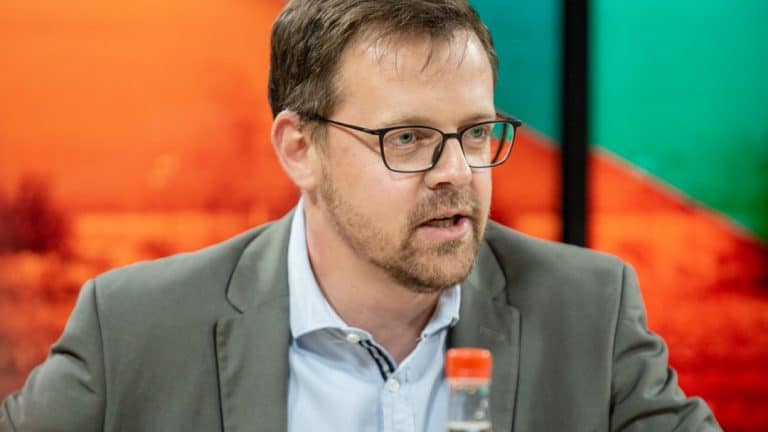
Jacques Broodryk, AfriForum’s Chief Spokesperson for Community Safety, welcomes Firoz Cachalia, Acting Minister of Police’s open condemnation of problems with political interference and the abuse of political power in the SAPS. Cachalia emphasised, among other things, that political interference and the abuse of political power have had a “harmful effect on the functioning of a police service in this country.” The minister also emphasised that South Africa needs a professional police service which acts “outside of the political process, without fear or favour”.
“Devolution of policing power is probably the most effective tool at our disposal to combat the risk and realities of political interference and abuse of power. In addition, devolution of power will limit the current bureaucratic red tape, ensure faster response time and adaptability to unique local crime trends, and promote accountability,” explains Broodryk.
Civic initiatives, such as AfriForum’s more than 177 neighbourhood watches, are already making a huge contribution to crime prevention at the local level nationwide. Community initiatives could have an even greater impact within a decentralised policing system and achieve closer cooperation – without the burdens of a national police force’s instructions.
“The focus must now be on combating, investigating and prosecuting crime, not on unreasonable clinging to central power at the expense of citizens and the country’s safety,” concludes Broodryk.