Melgisedek relocation: Victory for human rights after court dismisses application for implementation of order
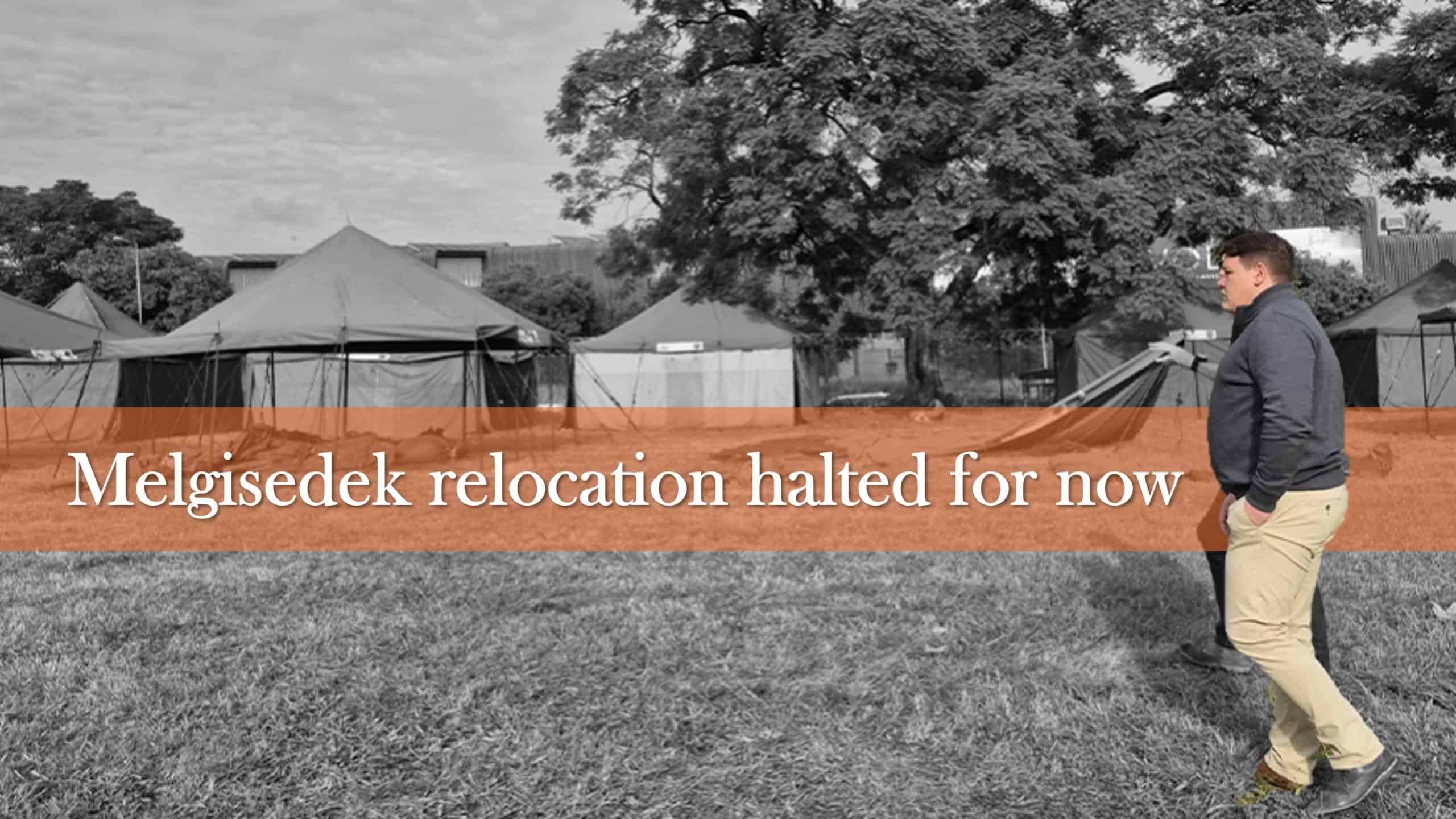
AfriForum considers the High Court in Pretoria’s decision yesterday (26 May 2026) to reject the Tshwane Metropolitan Municipality’s application to implement a court order for the relocation of about 450 residents of the Melgisedek building as a victory for human rights. The civil rights organisation maintains that the court’s refusal to enforce a previous order for the forced removal of residents to a tented camp in Gezina, in the Pretoria Moot, while an appeal process is ongoing, also shows the law must be followed and cannot be ignored by rushed and careless actions.
The Tshwane Metro’s application follows after the rejection of AfriForum’s earlier application for an urgent interdict in March this year. This legal process gave other role players, including the organisation Lawyers for Human Rights, time to properly prepare their cases and in turn offer effective opposition to the Metro’s ill-considered plan. Without AfriForum’s initial intervention, the Tshwane Metro would likely have already carried out the forced relocation of residents.
AfriForum emphasises that the planned relocation will have far-reaching consequences for both the residents of Melgisedek and those of Gezina.
According to Llewellynn Hemmens, AfriForum’s Spokesperson for Pretoria, the Melgisedek case highlights the need for civil society organisations and community institutions to act swiftly when authorities attempt to enforce processes without sufficient consideration of the relevant human and legal implications.
“We all agree that the circumstances in which the Melgisedek residents are currently living are not acceptable or appropriate. However, the solution does not lie in simply moving the problem – especially not to a tented camp reminiscent of a concentration camp. We would rather call on the Metro to work with communities and role players to find sustainable and humane solutions to this problem,” explains Hemmens.