AfriForum – the largest civil rights organisation in the country – celebrates 20 years of community building
AfriForum, the organisation that has already become synonymous with the protection of the rights of Afrikaners, Afrikaans speakers and other minorities, as well as the promotion of community safety and community building, celebrates its 20th anniversary today.
Since the organisation was officially established on 26 March 2006, it has experienced unparalleled growth within the space of just two decades and has been built from a newcomer to the field of civil rights to the largest organisation of its kind in the country and one that benefits everyone in the country.
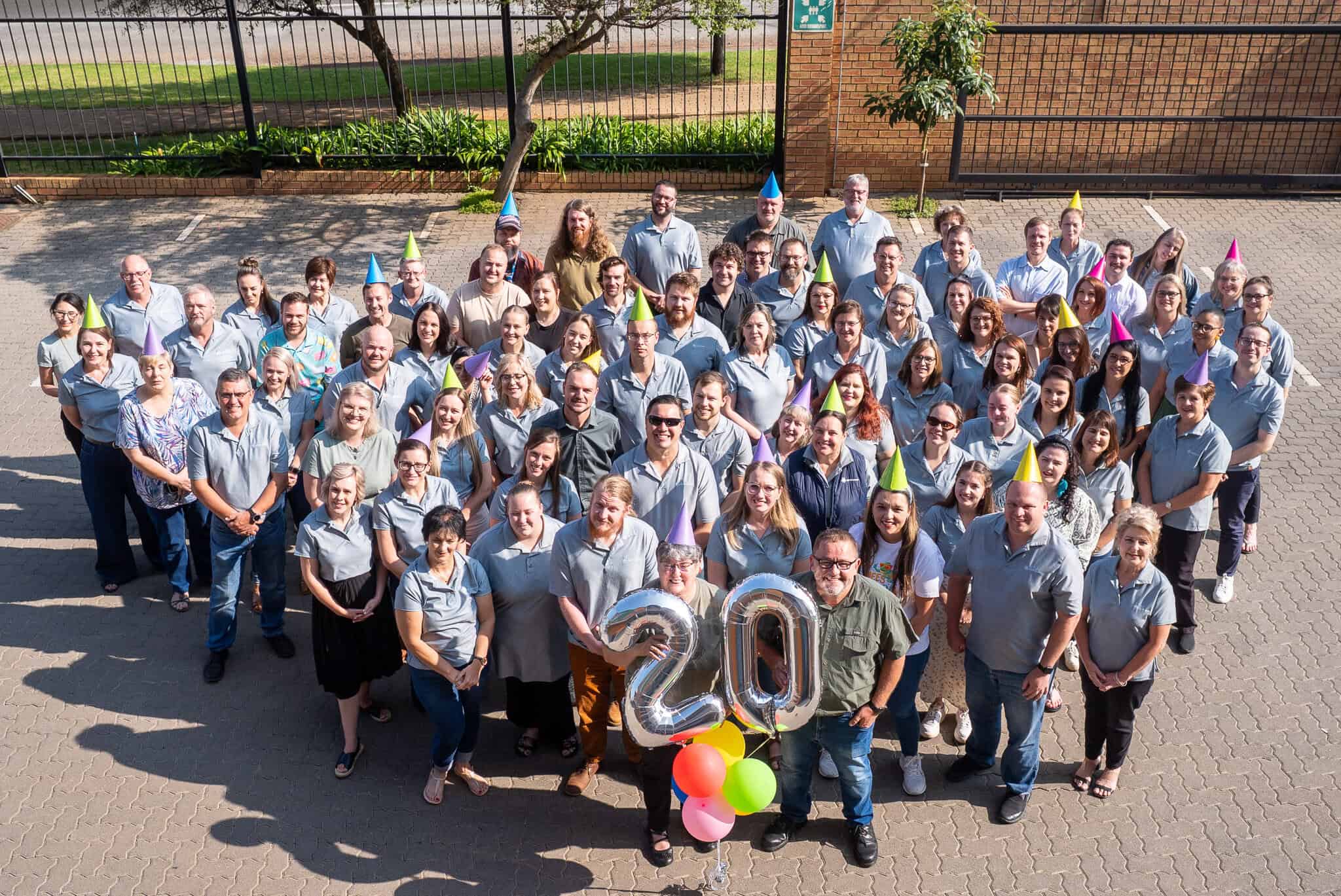
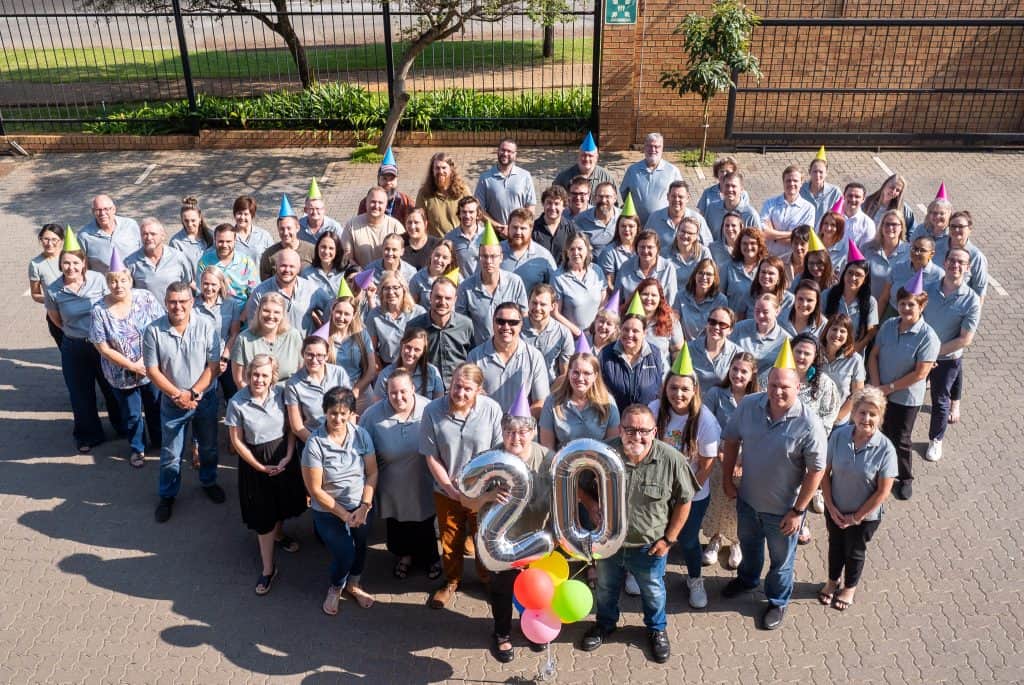
In March 2006, the new organisation had no members and only three employees. AfriForum has since grown to become the leading role player in the South African civil rights landscape, with approximately 300 000 members and 182 full-time employees.
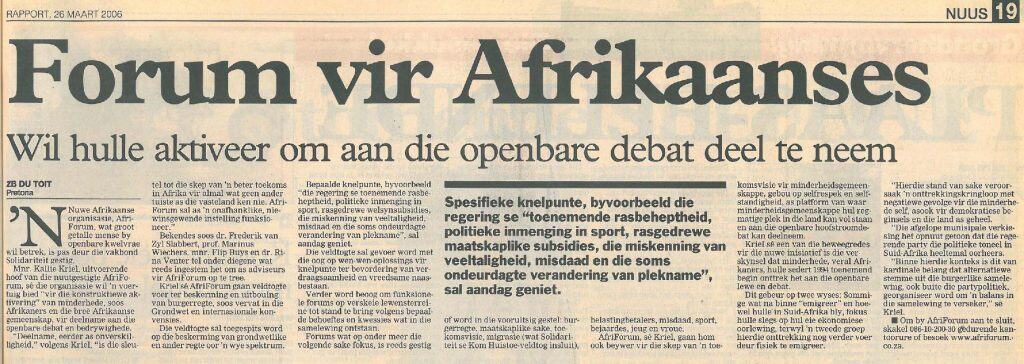
According to the media statement about AfriForum’s establishment issued on 26 March 2006, the organisation was established by the trade union Solidarity to provide a forum for the constructive activation of minorities to participate in public debate and actions.
Kallie Kriel has been at the helm of AfriForum since its inception. In his 2006 announcement about the founding of AfriForum, he argued that the establishment of the civil rights organisation was necessary to counteract the apathy that prevailed at that stage, especially among Afrikaners. According to Kriel, this apathy had negative consequences for minorities, democratic principles and the country as a whole. “The negative consequences of withdrawal include the government being given free rein to co-opt the Constitution, to interpret it selectively, and not maintain a balance between the interests of the majority and minorities,” Kriel said at the time.
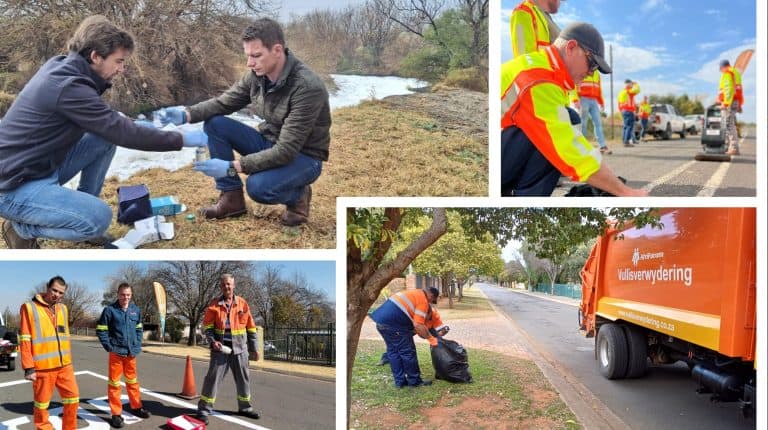
In the past 20 years, AfriForum has already achieved success in its quest to reverse Afrikaner apathy. The organisation’s substantial membership base, 165 active branches and 177 neighbourhood watches, nearly 10 000 volunteers, and vast support for campaigns against civil rights violations are tangible proof of this awakening that has been recorded among Afrikaners in particular since the organisation’s inception.
“AfriForum’s diverse successes in establishing a better present and future for our families, communities and descendants here at the southern tip of Africa are indicative of the practical feasibility of AfriForum’s future-building plans,” explains Kriel. “These successes are based on a do-it-yourself approach through which we, with the grace, strength and guidance we receive from above, build the future that we want for our children and communities,” emphasises Kriel.
Regarding the future, Kriel makes it clear that AfriForum is ready to deploy its “secret weapon” as a community-building organisation even further, regardless of the failing and corrupt government’s mismanagement. “Our secret weapon is that each of us has received hands and a calling with which we can take control of the future of our communities in every area of life. With this mindset, AfriForum is equipped to tackle the next 20 years with confidence and ensure the further establishment of independent local communities to counter state decay.”
AfriForum will continue to stand up against injustice and decline and fight for justice. However, the organisation will also devote more of its time, energy and resources to being effective community builders. This strategy is already being implemented, according to Kriel, in terms of the organisation’s community-building plan and focuses on strengthening and expanding AfriForum’s self-help initiatives in local communities; the coordinated cooperation with other community institutions; and, where possible, securing cooperation agreements with the authorities.
Kriel concludes: “We look forward to the next 20 years and building a future for our families and descendants where we can live freely, safely and prosperously. Every community builder has a role to play, to get our hands dirty and truly build. You can do this through AfriForum, your child’s school, your church or other community institutions. I invite you – come, let us build together!”