AfriForum: Parliament’s stance on mining approvals undermines environmental protection
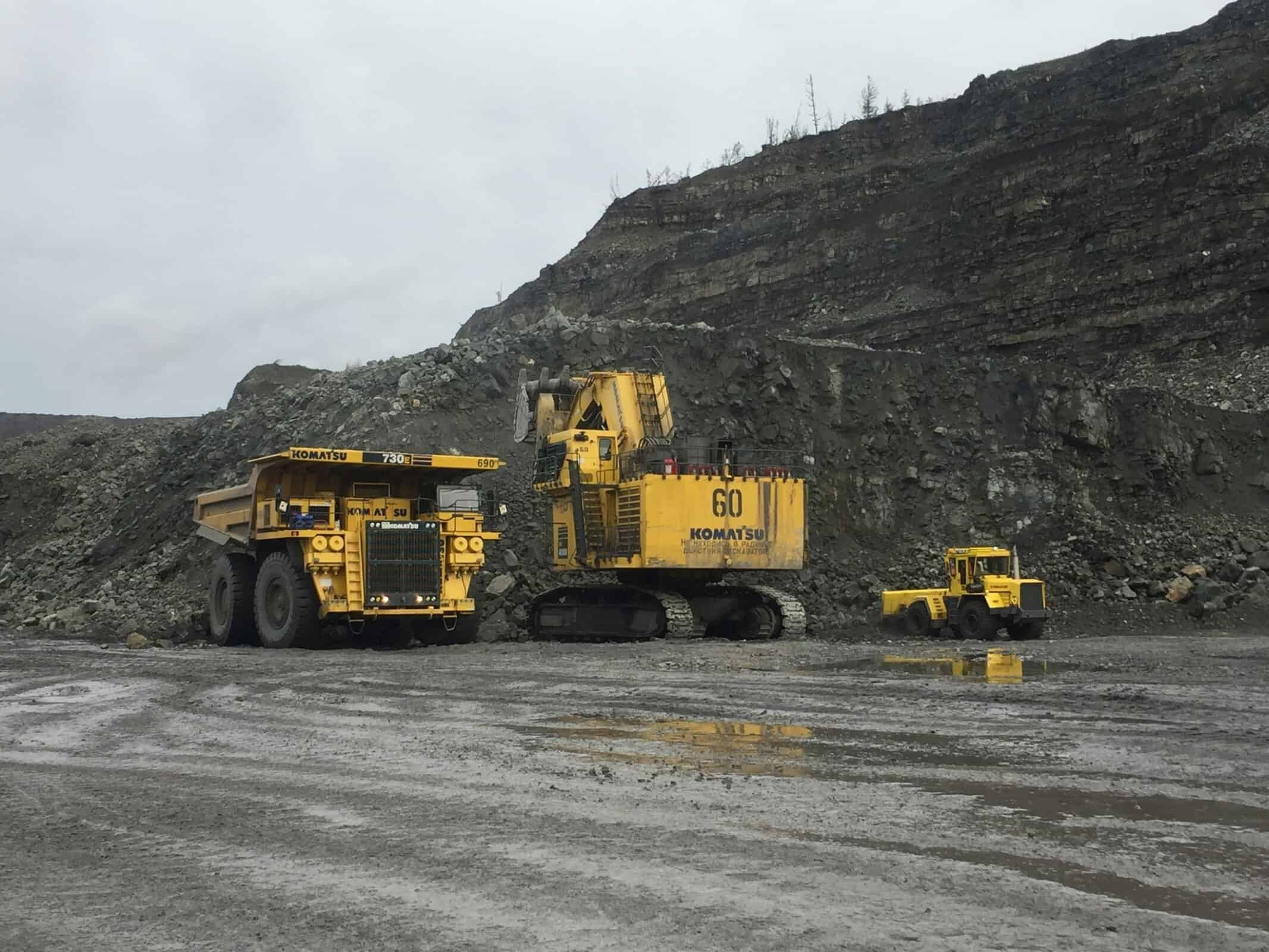
The Parliamentary Portfolio Committee on Minerals and Petroleum Resources’ proposal to shorten timelines for environmental authorisations could, according to AfriForum, cause short-term economic gains to overshadow the impact of mining on the environment and communities. This would have disastrous consequences for water resources, agricultural land and the long-term well-being of rural communities.
This proposal was made in response to the Department of Mineral Resources and Energy’s (DMHE) briefing on the progress with the implementation of the department’s new mining licensing and cadastre system through which mining rights applications are handled.
“The Committee’s call for quicker mining approvals, even if this weakens environmental safeguards, is remarkable given its refusal to confront the decade of dysfunction in the department’s South African Mineral Resources Administration system (SAMRAD). SAMRAD’s delays, unreliable data, double-granting of licences and corruption risks crippled transparency and held back investment. Parliament showed little urgency then, yet now places pressure on the only process that still subjects mining applications to proper scrutiny,” says Marais de Vaal, AfriForum’s advisor for Environmental Affairs.
The department’s claim that the new system will support “artisanal and small-scale mining” is equally concerning. The Mineral Resources Development Amendment Bill (2025) is still in the legislative process and public comments have not yet been considered, despite this the department treating the process as completed. This disregard for public participation confirms AfriForum’s warning that the bill risks enabling environmental destruction and corruption under the guise of formalisation.
“The Committee’s sudden frustration with environmental approval timelines is ironic,” says Marais de Vaal, AfriForum’s Advisor for Environmental Affairs. “The same lawmakers who accepted years of administrative failure now want to weaken the only process that forces the state to consider environmental and community impacts.”
“South Africa cannot afford a mining regime where environmental checks become a tick-box exercise,” De Vaal adds.
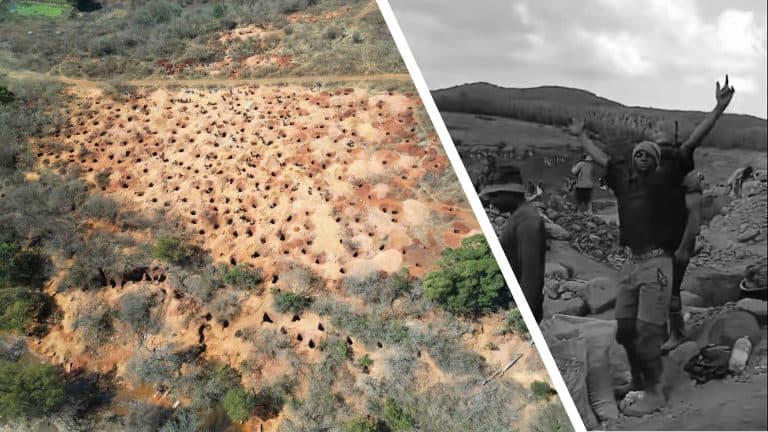
According to De Vaal poorly regulated mining is already destroying water sources, farmland and ecosystems that the poorest rural communities rely on. It threatens food security and natural resources, and imposes long-term costs on future generations.
“Proper environmental oversight exists to protect the public, not to inconvenience officials,” concludes De Vaal.
AfriForum will continue to oppose any move to undermine environmental authorisation processes. Communities are encouraged to strengthen local monitoring structures and to take part in all public participation processes. Members of the public can request AfriForum’s assistance in this matter at diens@afriforum.co.za.